World History
World history across the periods: revolutions, wars and discoveries.
220articles
2607sources
5languages
220 articles · sort:
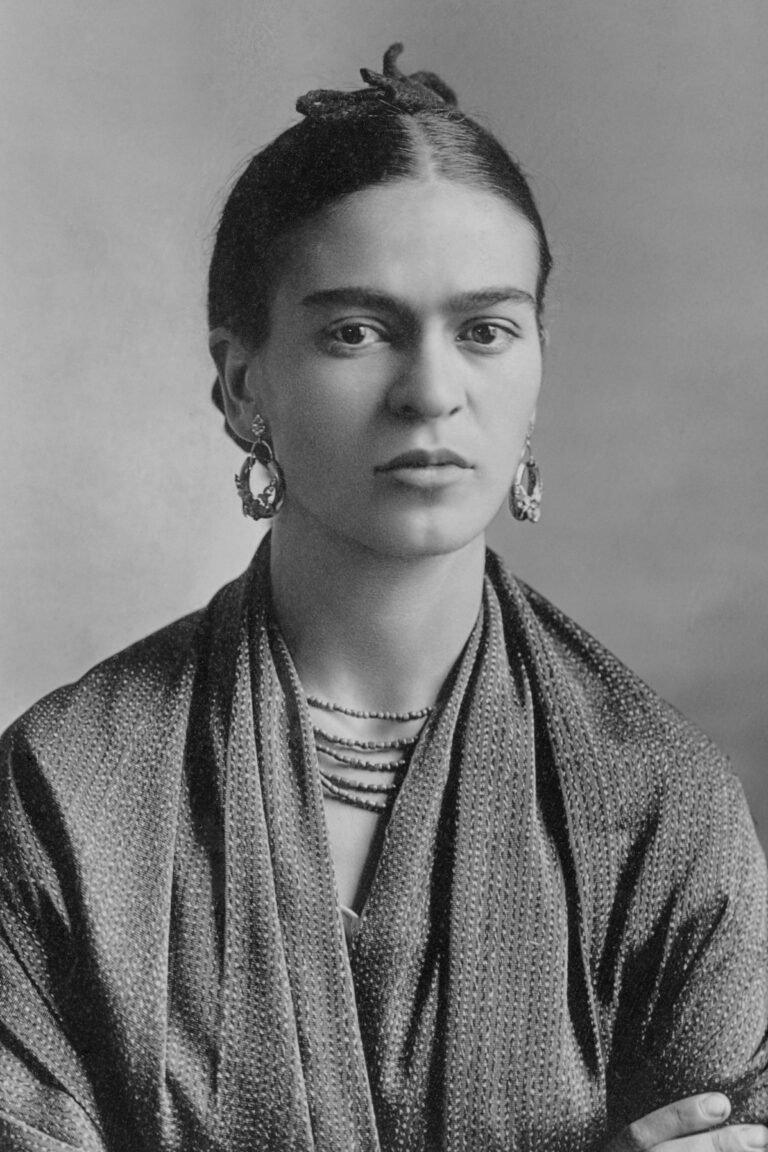 Who Was Frida Kahlo? Her Life, Bus Accident and Self-PortraitsFrida Kahlo was a Mexican painter whose self-portraits drew on her life, physical pain and Mexican culture. Born in Coyoacán in 1907, she survived a severe…7 min read · 12 sources
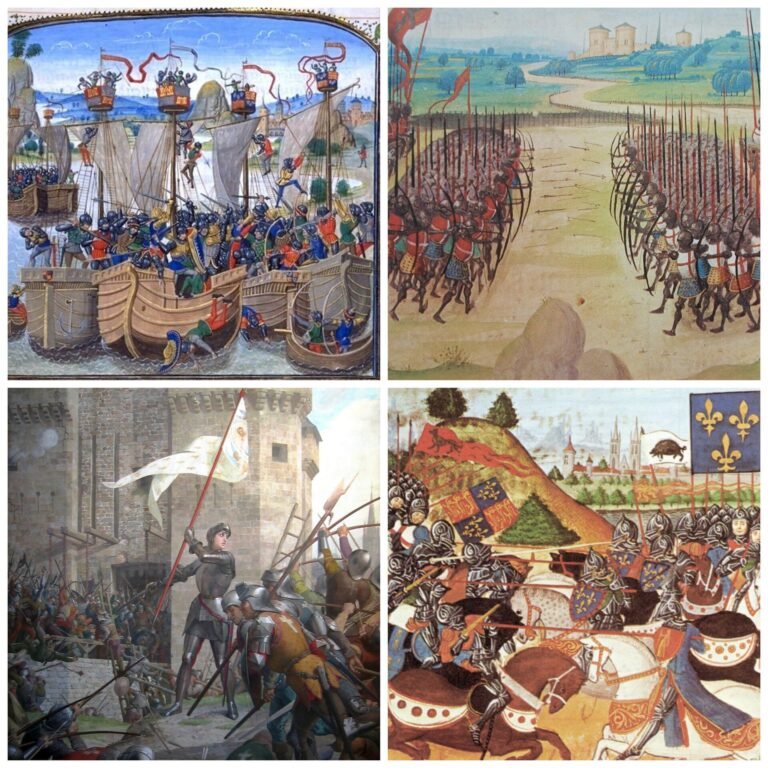 Why Did the Hundred Years’ War Begin? England and FranceThe Hundred Years' War began when a dispute over English lands in France became entangled with rival claims to the French crown. Philip VI's decision to…8 min read · 7 sources
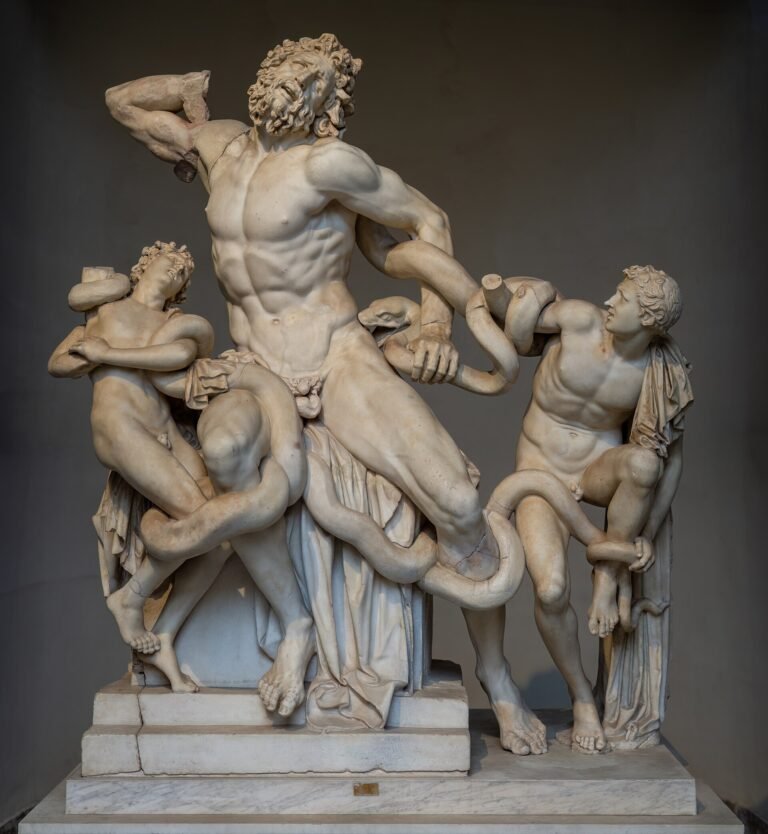 Vatican Museums: Raphael Rooms, Laocoön and visitor guideThe Vatican Museums connect the ancient Laocoön group with the Raphael Rooms and Michelangelo’s Sistine Chapel ceiling through the patronage of Julius II. Plan your visit…8 min read · 18 sources
 Wu Zetian: the Only Female Emperor in Chinese HistoryWu Zetian (624–705) rose from a young concubine to empress consort, then ruled in her own name as emperor of the Zhou dynasty from 690 to…7 min read · 8 sources
 UNESCO World Heritage Sites in Turkey: the complete listTurkey has 22 UNESCO World Heritage Sites: 20 cultural sites and two mixed sites. This complete list covers their locations, inscription dates and selected details, from…7 min read · 7 sources
 Treaty of Waitangi 1840: Why It Is Still DisputedThe Treaty of Waitangi became New Zealand’s founding document, but its English and Māori texts described authority differently. Land confiscations, investigations into breaches and disputes over…8 min read · 17 sources
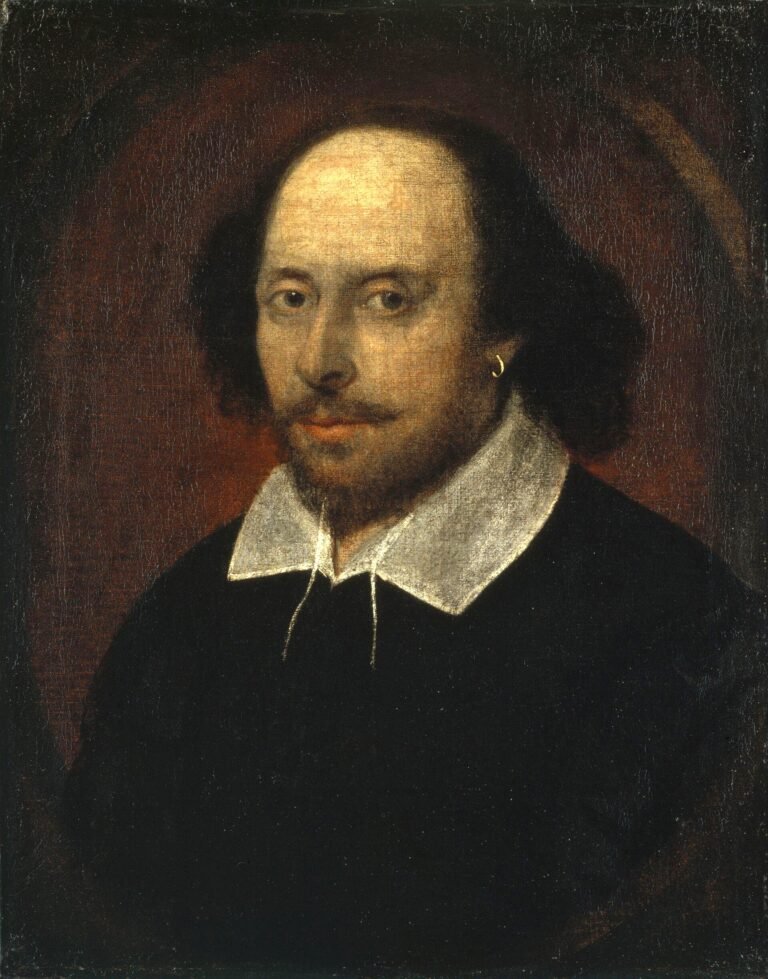 Who Was Shakespeare? Life, Plays and the Globe TheatreWilliam Shakespeare was an English playwright, poet and actor whose career connected Stratford-upon-Avon with London’s theatres. His family, famous tragedies, poems and the Globe Theatre reveal…7 min read · 14 sources
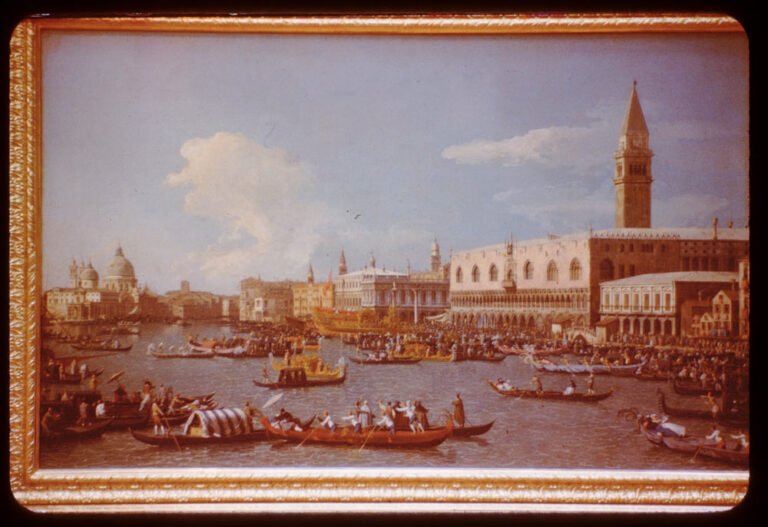 How Did Venice Become Rich? A Republic’s Rise and FallVenice built its wealth through salt, trading privileges, overseas ports, and financial contracts that connected investors with merchants. Competition and territorial losses weakened its position, but…9 min read · 16 sources
 Why Did the Renaissance Begin in Italy? Cities, Trade and ArtThe Renaissance developed in Italy through the wealth of cities, Mediterranean trade, classical learning and competition for prestige. Florence's textile producers, bankers and patrons helped support…7 min read · 15 sources
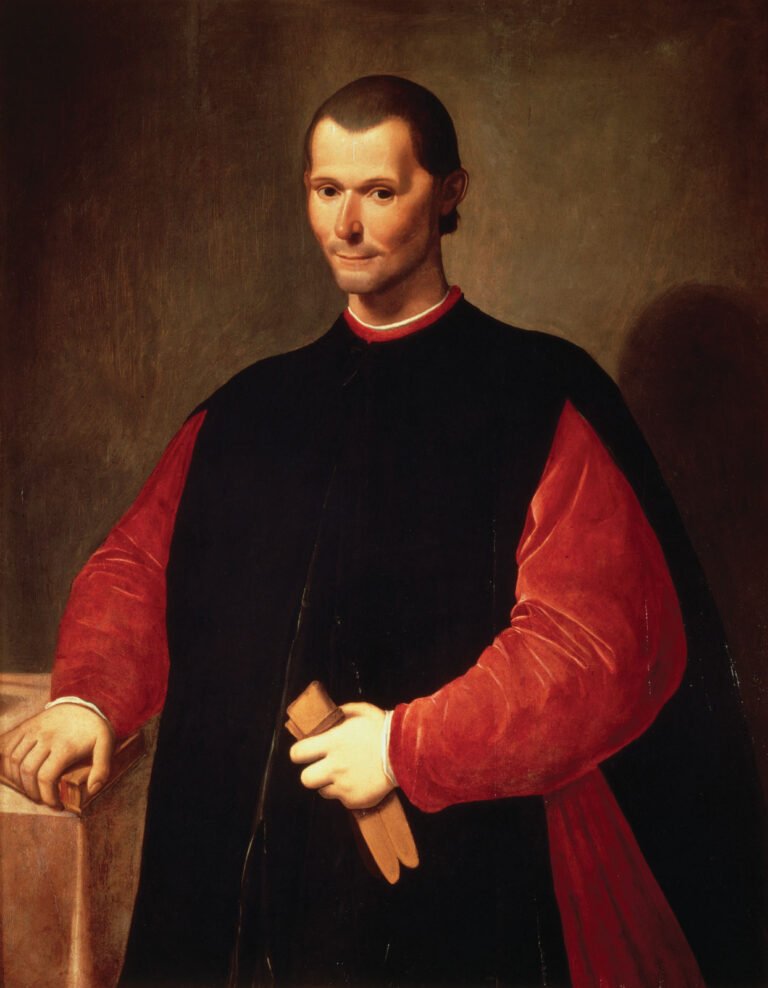 Who Was Machiavelli? The Prince and MachiavellianismNiccolò Machiavelli was a Florentine statesman and writer whose The Prince examined how rulers acquire and preserve power. His republican arguments, plays, and diplomatic career reveal…8 min read · 8 sources
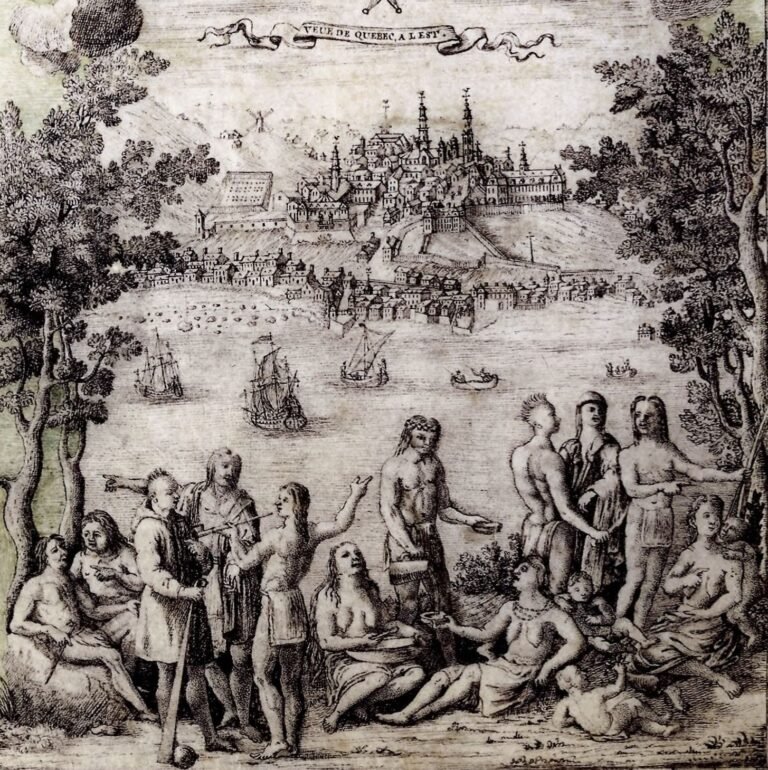 Why Does Quebec Speak French? Canada’s French Colonial PastQuebec speaks French because a French-speaking colonial society took root in the Saint Lawrence Valley and passed its language between generations. British rule, constitutional changes and…9 min read · 24 sources
 Who Were the Mamluks? How Military Slaves Came to Rule EgyptThe Mamluks were enslaved soldiers who received training, gained freedom, and rose to military and political power in Egypt. Their Cairo-based sultanate ruled Egypt, Syria-Palestine, and…7 min read · 9 sources
 Who Was Copernicus? Why His Sun-Centered Model Changed AstronomyNicolaus Copernicus placed a moving Earth within a Sun-centered mathematical model, explaining daily celestial motion and the apparent backward movement of planets. His education, writings, and…8 min read · 10 sources
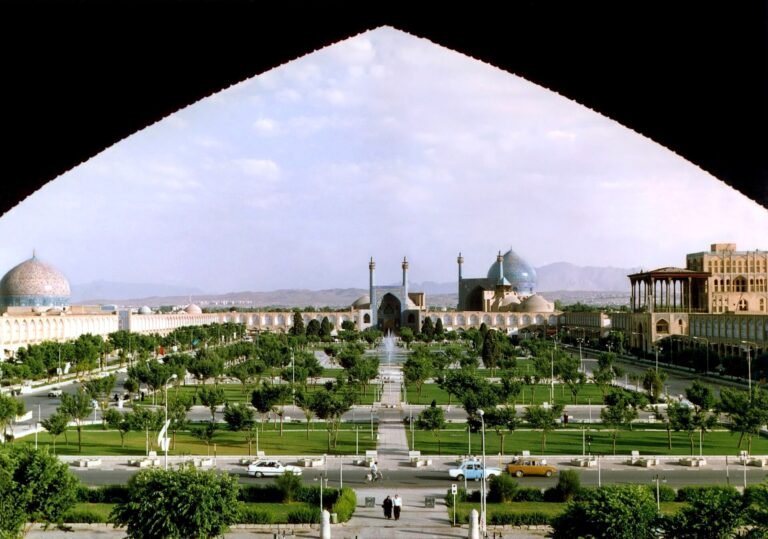 Isfahan’s Naqsh-e Jahan Square: Why Half the World?The saying “Isfahan is half the world” celebrates the city's Safavid architecture and is documented through a reference to Iskandar Beg's chronicle. Naqsh-e Jahan Square brings…7 min read · 8 sources
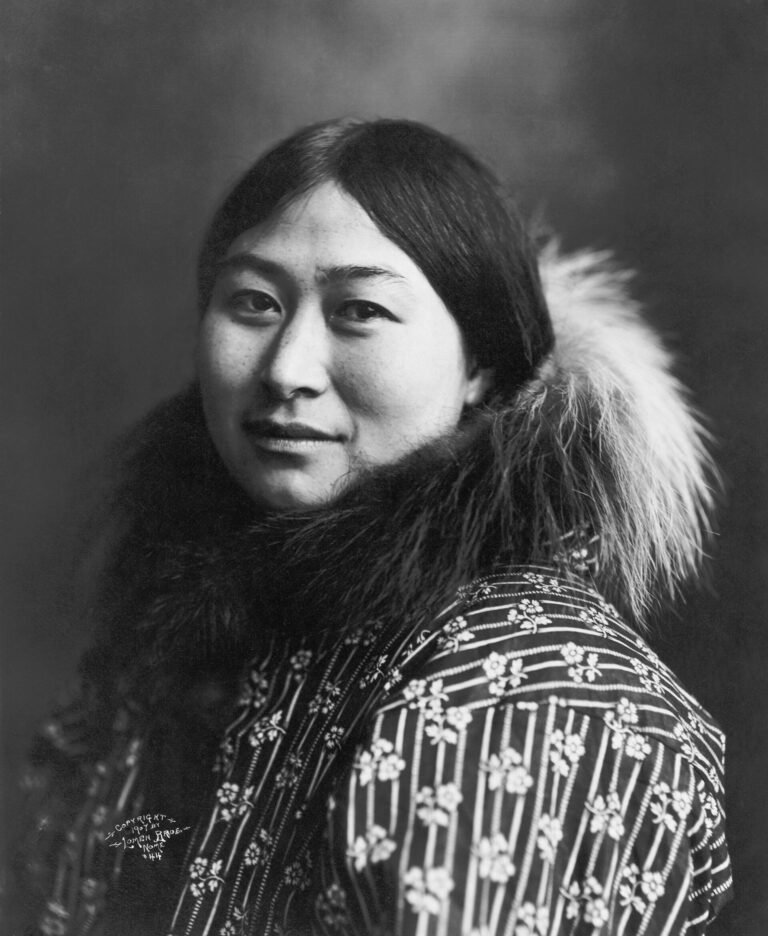 Who Are the Inuit? Arctic Life, Igloos and the Term EskimoThe Inuit are Indigenous peoples with connected histories and cultures across Alaska, Canada and Greenland. Their languages, homes, boats and naming traditions reveal a wider Arctic…8 min read · 17 sources
 Who Was Ibn al-Haytham? His Light and Vision ExperimentsIbn al-Haytham was a scholar from Basra who combined experiments and mathematics to investigate light and vision. His seven-book optics treatise, camera obscura studies, and later…7 min read · 9 sources
 Who Was Averroes? Ibn Rushd on Reason and ReligionAverroes, also known as Ibn Rushd, was a philosopher, jurist, judge, and physician born in Córdoba in 1126. His writings defended philosophical inquiry within Islam and…8 min read · 5 sources
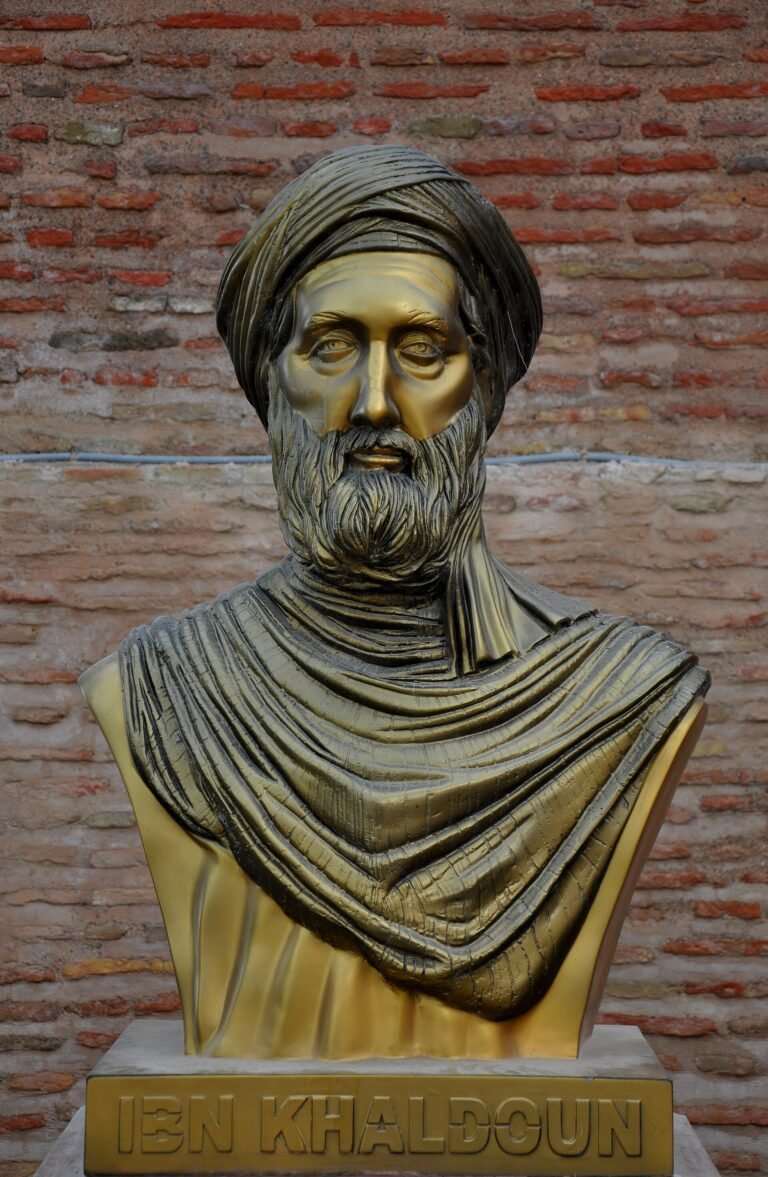 Who Was Ibn Khaldun? The Muqaddimah and AsabiyyahIbn Khaldun was a historian and statesman born in Tunis in 1332 whose Muqaddimah examined history through the workings of society. His concept of asabiyyah explains…8 min read · 8 sources
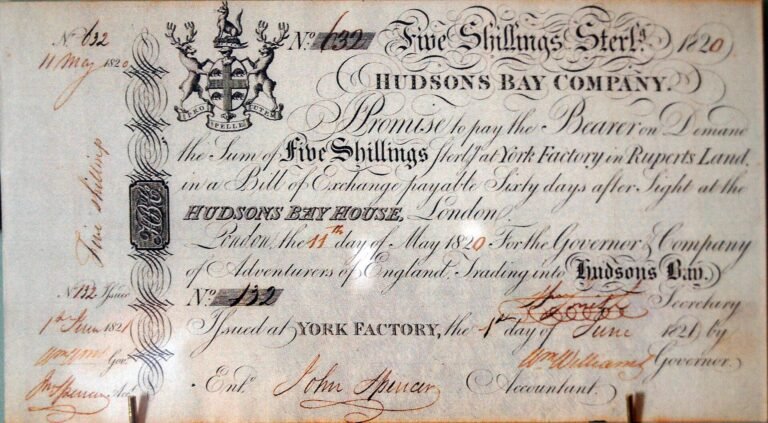 What Was the Hudson’s Bay Company? Canada’s Fur TradeFounded in London in 1670, the Hudson's Bay Company connected European demand for beaver fur with North American trading networks. Its posts, commercial power and territorial…9 min read · 15 sources
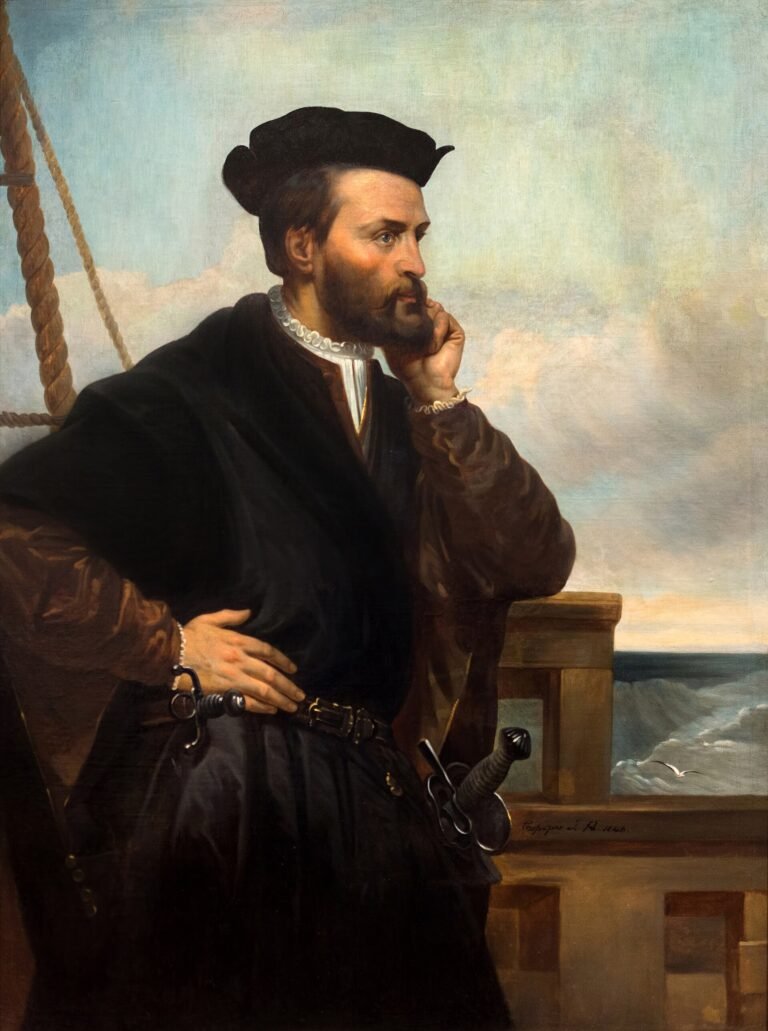 Who Was Jacques Cartier? Canada and the St. LawrenceJacques Cartier was a French navigator from Saint-Malo whose three voyages took him into the Gulf of St. Lawrence and up the river to Stadaconé and…7 min read · 12 sources
 What Was the Hijrah? Why Muhammad Migrated from Mecca to MedinaThe Hijrah was the migration of Muhammad and Meccan Muslims from Mecca to Medina in 622, following persecution and promises of protection. It began the Muslim…7 min read · 5 sources
 Who Was Harun al-Rashid? The Caliph Behind the Arabian NightsHarun al-Rashid ruled as the fifth Abbasid caliph from 786 to 809 and became a fictional character in the Arabian Nights. His historical reign involved Byzantine…7 min read · 8 sources
 What Was the Hanseatic League? Cities and Northern TradeThe Hanseatic League grew from merchant associations into a powerful network linking northern European cities and trading posts. Lübeck, Hamburg, Bergen, and other centers connected the…8 min read · 16 sources
 What Was Feudalism? Lords, Vassals and Serfs ExplainedFeudalism connected land, service and personal loyalty in medieval Europe, though its institutions varied by region. Lords, vassals and serfs held different positions within relationships that…8 min read · 9 sources
 Who Were the Borgias? The History Behind the TV DramasThe Borgias rose from Spanish roots to power in Renaissance Italy through two popes, military commands, and political marriages. Their history includes documented violence, but the…8 min read · 10 sources
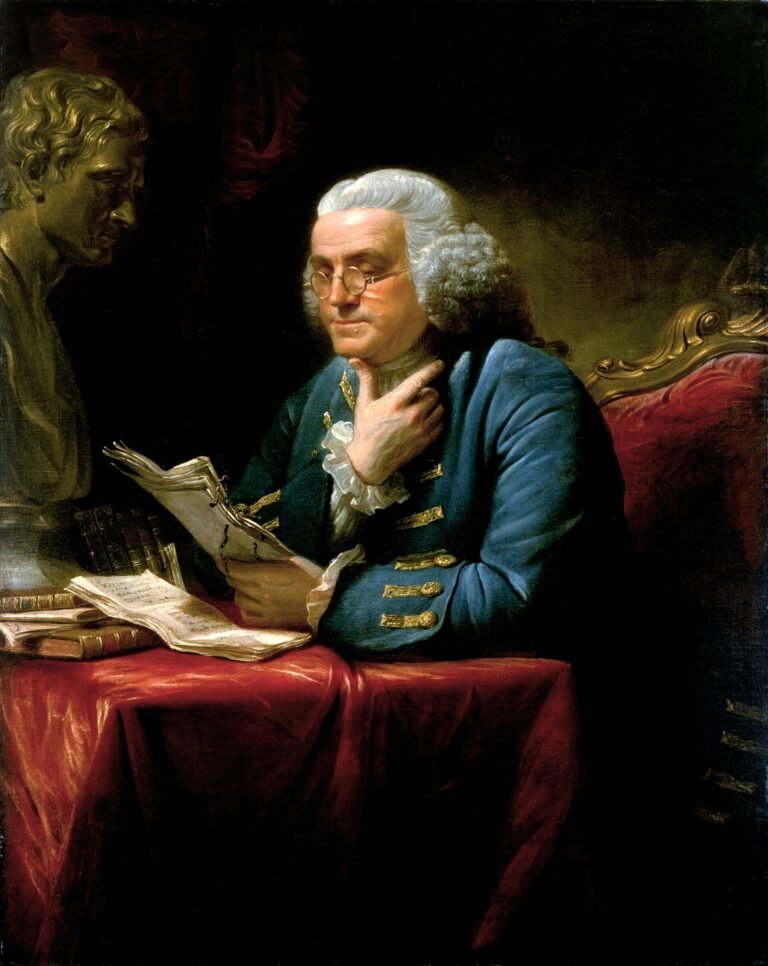 Who Was Benjamin Franklin? Kite, Lightning Rod and Founding FatherBenjamin Franklin was a publisher, inventor, scientist and diplomat who helped found the United States without serving as its president. His lightning rod, electrical research and…9 min read · 19 sources
 Who Built Bodrum Castle? From Knights to an Archaeology MuseumThe Knights Hospitaller built Bodrum Castle in the early fifteenth century as a military stronghold dedicated to Saint Peter. After serving as an Ottoman garrison and…7 min read · 10 sources
 How Did the American Revolutionary War Begin? IndependenceThe American Revolutionary War began at Lexington and Concord on 19 April 1775 after disputes over British taxation and colonial government escalated into armed conflict. The…8 min read · 17 sources
 Why Was the Battle of Badr Fought? Causes and OutcomeThe Battle of Badr began with a Muslim attempt to intercept a Quraysh trading caravan and developed into a confrontation with an army from Mecca in…7 min read · 6 sources
 Who Were the Umayyads? Their Capital, Conquests and FallThe Umayyads were a Muslim Arab dynasty that ruled from 661 to 750, first from Damascus and later from Harran. Their conquests reached Spain, Central Asia…8 min read · 13 sources
 Who Was Dante? Hell, Purgatory and Paradise in the Divine ComedyDante Alighieri was an Italian poet and thinker whose political exile followed his service in Florence’s government. His Divine Comedy follows an imagined journey through Hell,…7 min read · 16 sources
 Who Was Richard the Lionheart? Third Crusade and His CaptivityRichard I ruled England from 1189 to 1199 and earned his Lionheart reputation through warfare and command during the Third Crusade. Captured on his return journey,…8 min read · 9 sources
 Who Was Jabir ibn Hayyan? Alchemy and ChemistryJabir ibn Hayyan is traditionally described as a Muslim alchemist and natural philosopher associated with Kufa and Baghdad. The Arabic writings attributed to him hold an…8 min read · 10 sources
 Who Were the Genoese? Republic of Genoa and Its ColoniesThe Genoese built a maritime republic around Genoa and connected Mediterranean and Black Sea ports through trade, privileges and fortified settlements. Galata, Chios and Crimea reveal…8 min read · 14 sources
 What Was the Boston Tea Party? Why Colonists Dumped TeaThe Boston Tea Party was a political protest in which colonists dumped tea from three ships into Boston Harbor on December 16, 1773. They opposed Parliament's…7 min read · 9 sources
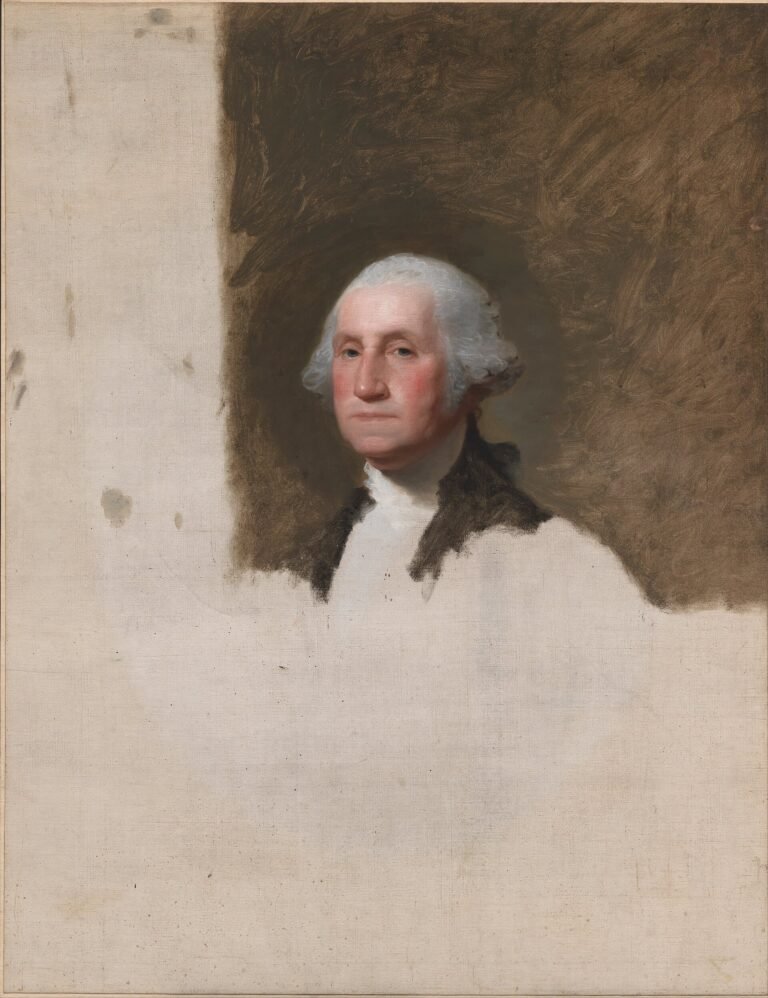 Who Was George Washington? How He Became the First U.S. PresidentGeorge Washington led the Continental Army and became the first U.S. president after receiving the support of all 69 participating electors in 1789. His life also…8 min read · 15 sources
 Why Did the American Civil War Begin? Slavery and UnionThe American Civil War began after conflict over slavery and its expansion drove Southern states to leave the Union. The Union’s victory preserved the United States,…8 min read · 16 sources
 Who Was Abraham Lincoln? Emancipation and AssassinationAbraham Lincoln was the 16th president of the United States and led the Union during the American Civil War. His presidency helped advance the abolition of…8 min read · 13 sources
 Uluru (Ayers Rock): Sacred Aboriginal Rock and the Climbing BanUluru is a 348-metre sandstone rock in Australia's interior, sacred to the Anangu under Tjukurpa law. Climbing was permanently banned on 26 October 2019, 34 years…8 min read · 14 sources
 The Fall of Singapore 1942: How Japan Took the FortressJapan captured Singapore after advancing through Malaya and breaking through the island's northwestern defences. Dispersed Allied forces, lost supplies and failing water provision helped bring about…8 min read · 10 sources
 Uffizi Gallery: the greatest Renaissance art collectionFlorence’s Uffizi began as offices for Medici government and opened to the public in 1769. Its collection brings together Botticelli’s mythological paintings, Leonardo’s Annunciation, Michelangelo’s Doni…7 min read · 11 sources
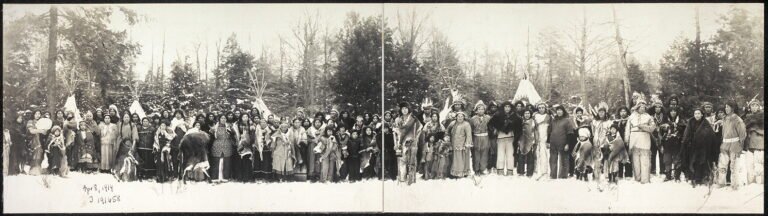 What Is the Iroquois Confederacy? Six Nations GovernmentThe Iroquois Confederacy, or Haudenosaunee, united five Indigenous nations and became known as the Six Nations after the Tuscarora joined in 1722. Its government combined national…8 min read · 9 sources
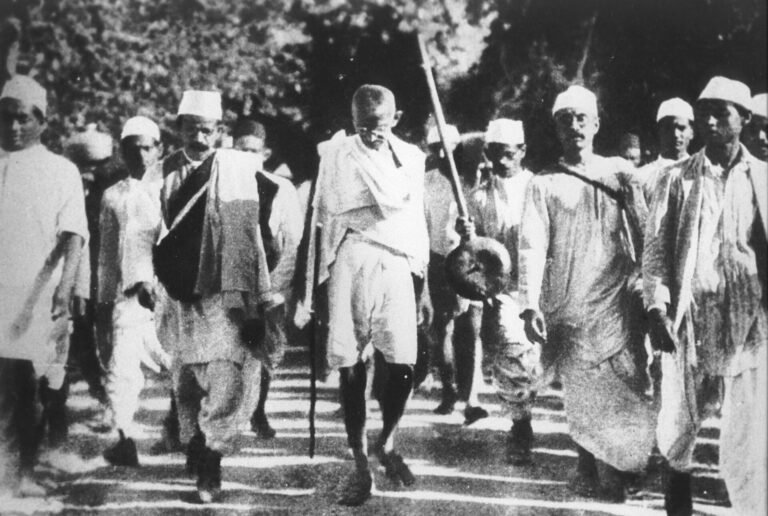 The Salt March of 1930: Gandhi’s 390 km Walk ExplainedOn 12 March 1930 Gandhi left Sabarmati Ashram with 78 volunteers. He broke the British salt law at Dandi on 6 April, and the act launched…7 min read · 8 sources
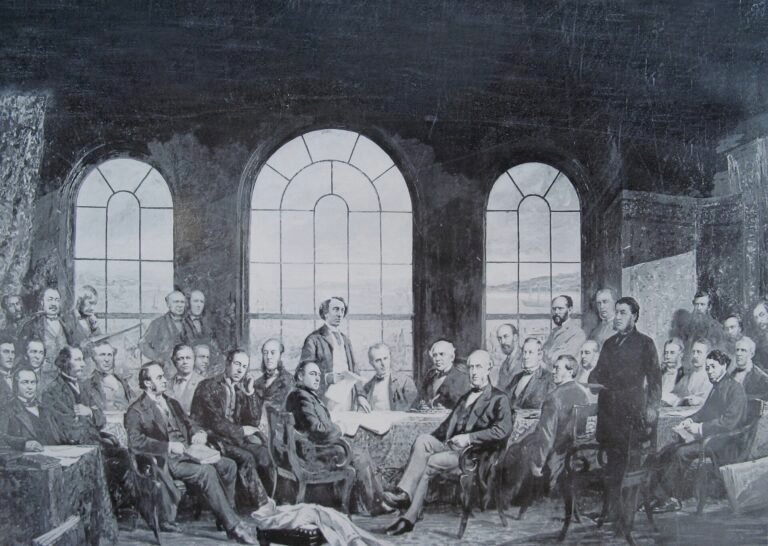 How Was Canada Founded? Confederation in 1867Canada was founded on 1 July 1867, when three British colonies united as a federation of four provinces. Its territory expanded afterward, while constitutional changes in…8 min read · 13 sources
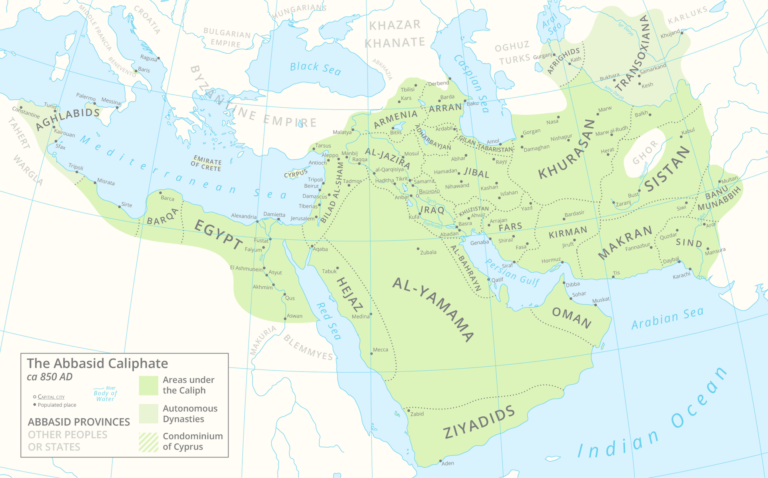 Who Were the Abbasids? Baghdad and a Changing CaliphateThe Abbasids founded the third major Islamic caliphate in 750 and shifted its centre of power from Syria to Iraq. Baghdad became their capital, while later…8 min read · 11 sources
 Tiananmen Square 1989: What Happened and Who Was Tank ManThe 1989 Tiananmen protests began in April after the death of reformist leader Hu Yaobang and were crushed by the army on the night of 3–4…8 min read · 10 sources
 The Kon-Tiki Expedition: Thor Heyerdahl’s Pacific VoyageIn 1947, Thor Heyerdahl and five companions crossed roughly 6,900 kilometres from Peru to Polynesia aboard the balsa raft Kon-Tiki. Their 101-day voyage demonstrated that such…8 min read · 9 sources
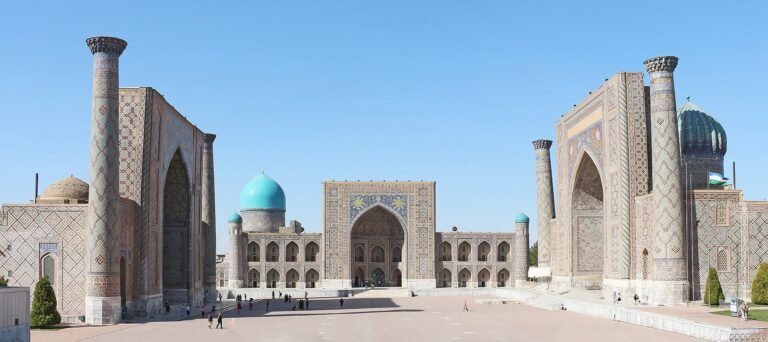 Registan Square: Samarkand’s Three Madrasas ExplainedRegistan Square sits in the centre of Samarkand, Uzbekistan, and is framed by three madrasas built in the 15th and 17th centuries. This article explains the…6 min read · 11 sources
 Who Invented the Compass? From China to the Age of SailNo single inventor of the compass is known, but the evidence points to China. Texts from 1044, 1088 and 1119–1125 show the magnetic compass growing into…8 min read · 10 sources
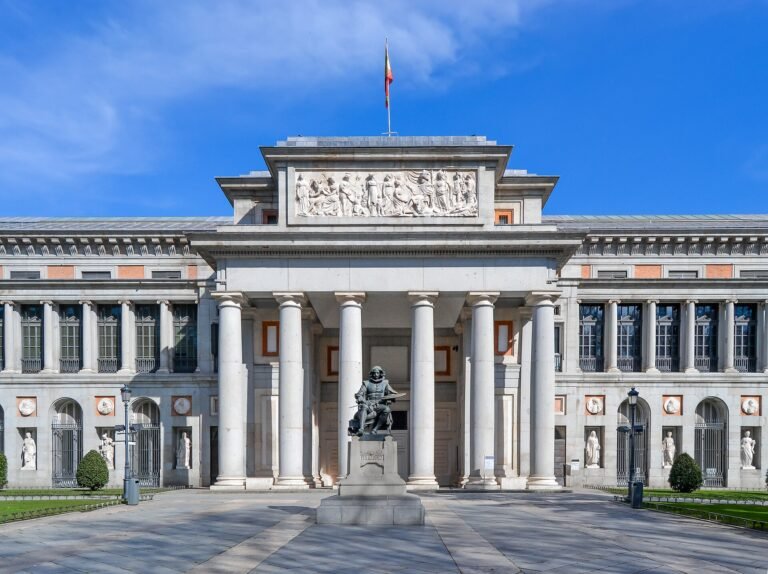 Prado Museum: Las Meninas, Goya and the Spanish mastersMadrid’s Prado Museum opened in 1819 with paintings drawn from royal collections. Explore Las Meninas, Goya’s paintings and the Spanish masters, alongside practical information on tickets,…9 min read · 17 sources
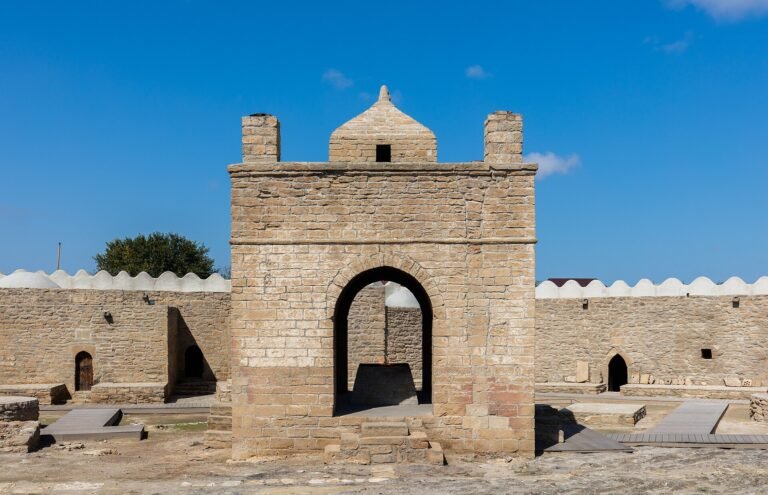 The Baku Fire Temple: why Azerbaijan is called the Land of FireBaku’s Ateshgah brings together natural gas flames, sacred traditions, and the religious heritage of visitors from India. Its history explains Azerbaijan’s Land of Fire nickname while…8 min read · 8 sources
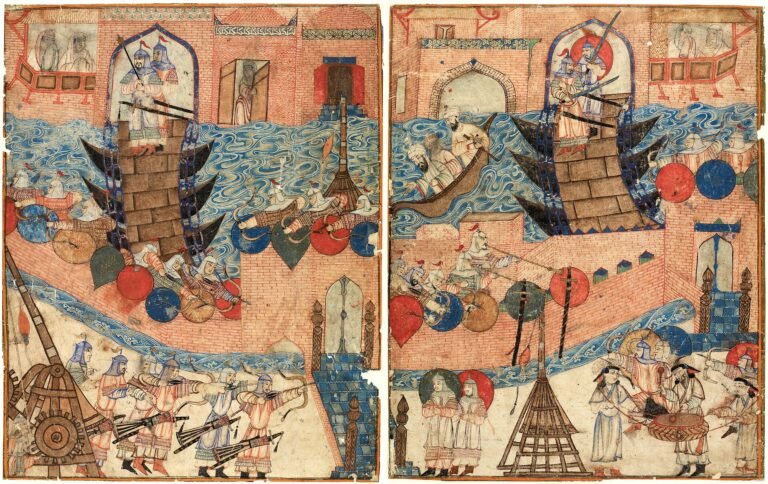 The Fall of Baghdad, 1258: How the Mongols Destroyed ItHulagu’s Mongol army forced Baghdad to surrender on 10 February 1258, and the massacre that followed ended the Baghdad-based Abbasid caliphate. The death toll remains disputed,…7 min read · 6 sources
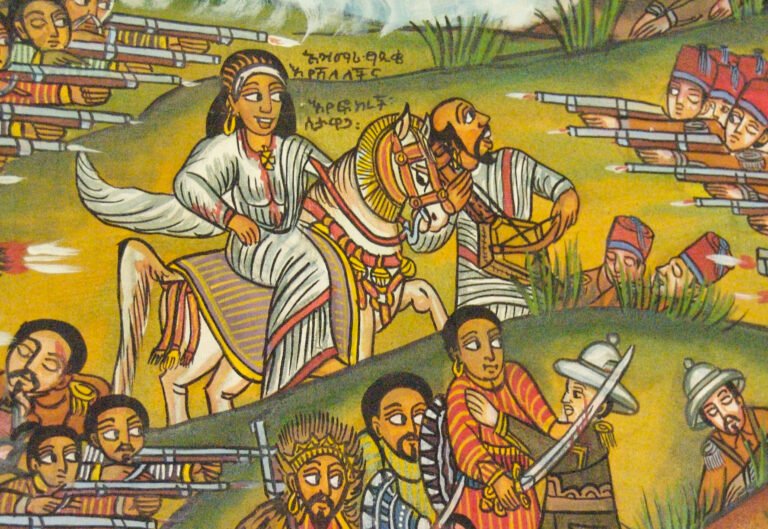 The Battle of Adwa 1896: how Ethiopia defeated ItalyOn 1 March 1896, Emperor Menelik II’s Ethiopian army defeated Italian colonial forces near Adwa. Broad mobilization, modern weapons, Taytu’s contributions, and attacks on separated Italian…8 min read · 10 sources
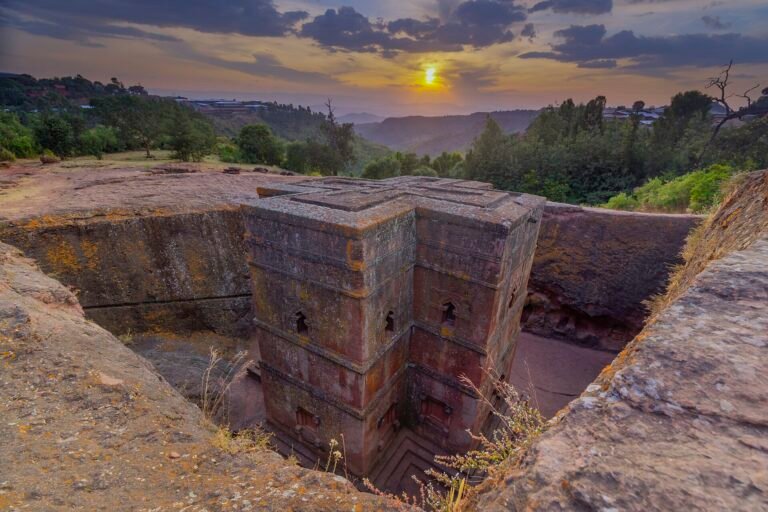 Lalibela: How Ethiopia’s 11 Churches Were Carved from RockLalibela's 11 medieval churches were carved downward into volcanic bedrock, with their walls, roofs and interiors shaped by removing stone. Ethiopian tradition connects the complex to…7 min read · 7 sources
 Khoja Ahmad Yasawi and Turkistan: A Turkic Islamic HeartKhoja Ahmad Yasawi taught Islam and Sufism through accessible Turkish poetry in twelfth-century Central Asia. His legacy connects the city of Turkistan with a monumental mausoleum…7 min read · 12 sources
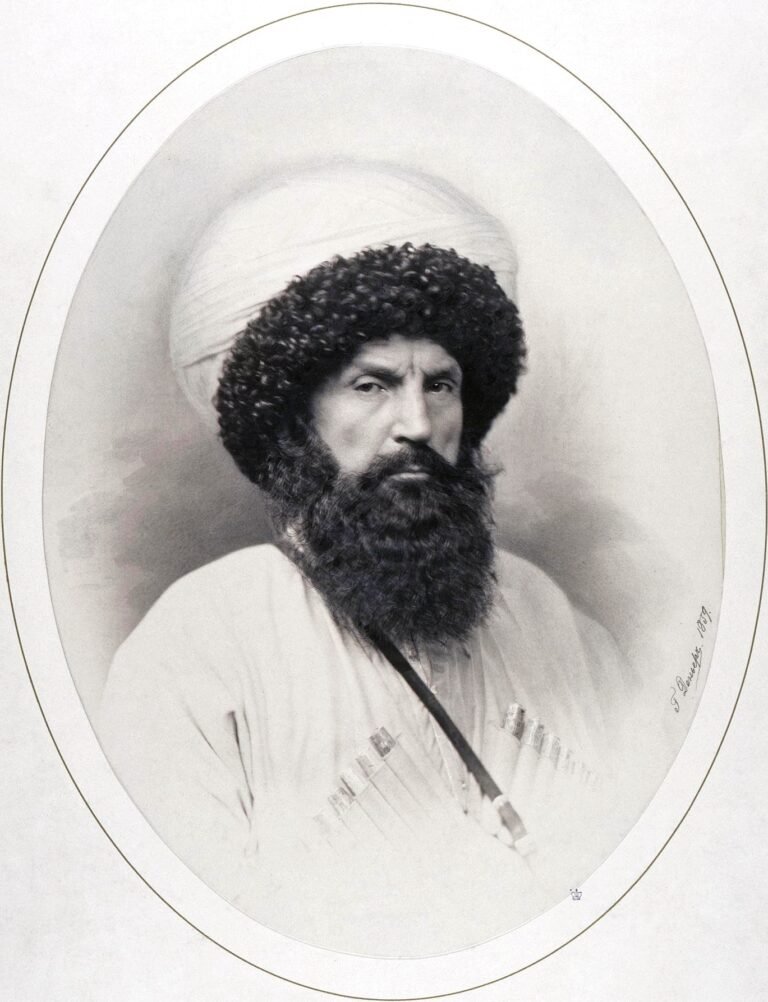 Imam Shamil: Dagestani Leader Who Resisted Russia for 25 YearsImam Shamil led religious, political, and military resistance to Russian expansion in Dagestan and Chechnya from 1834 to 1859. His story connects the siege of Ahulgoh,…7 min read · 9 sources
 How the Maya Script Was Deciphered: Landa to KnorozovMaya books were burned at Maní in 1562, yet the Spanish friar who ordered it also left behind the notes that later helped crack the script.…8 min read · 12 sources
 Nan Madol: Who Built the Stone City on a Coral Reef?Nan Madol is a set of artificial islets built on a coral reef off Pohnpei in the Federated States of Micronesia. Pohnpeians built it under the…6 min read · 7 sources
 Louvre Museum: Must-See Masterpieces and Visitor GuideThe Louvre in Paris began as a medieval fortress and has been a museum since 1793. This guide covers its key artworks, ticket prices, the official…8 min read · 17 sources
 Al-Khwarizmi: father of algebra and the origin of ‘algorithm’Al-Khwarizmi wrote in Arabic on mathematics, astronomy and geography in ninth-century Baghdad. His algebra book gave algebra its name, while forms of his own name became…7 min read · 7 sources
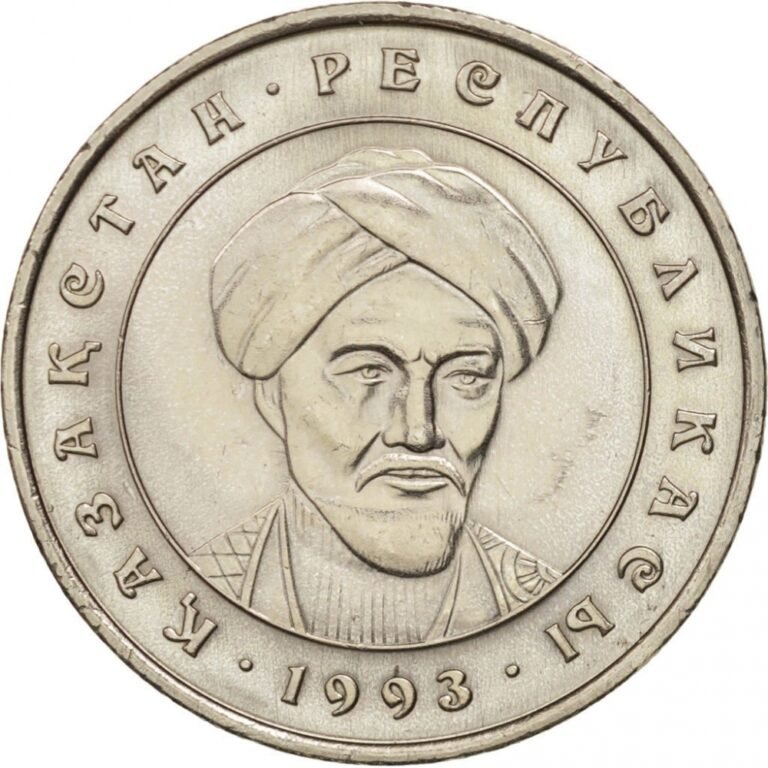 Al-Farabi: the ‘Second Teacher’ of philosophy explainedAl-Farabi earned the title 'Second Teacher' after Aristotle through a philosophical career spanning logic, metaphysics, politics and music. His Virtuous City explores ideal society, while disputes…7 min read · 5 sources
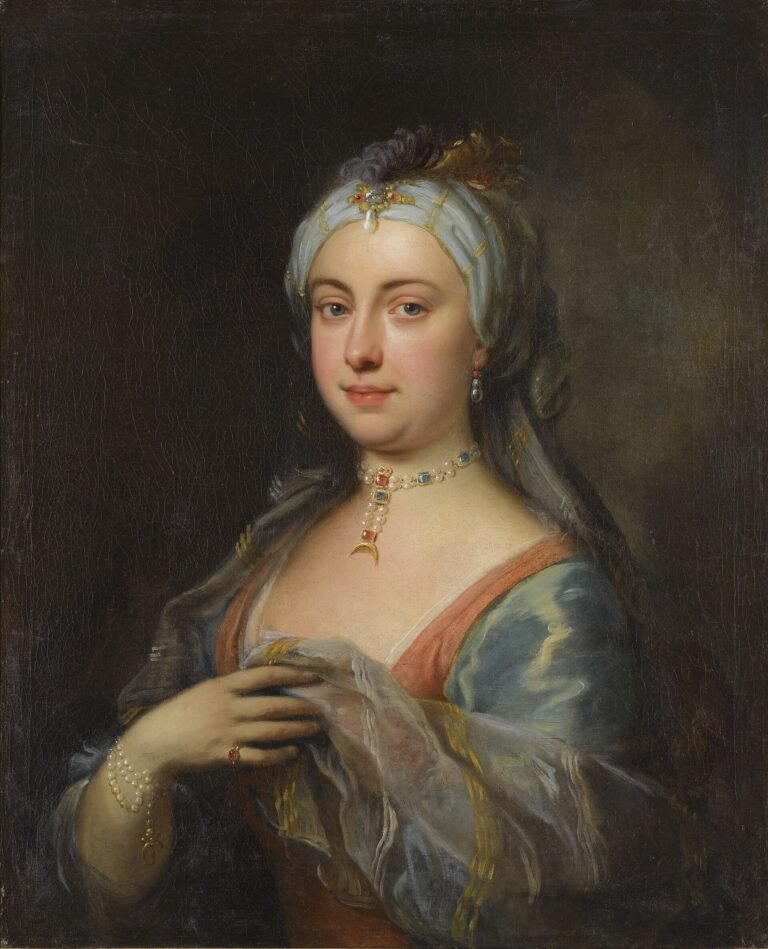 How the smallpox vaccine was discovered: Montagu and JennerLady Mary Wortley Montagu helped popularize Ottoman variolation in England after having her son treated in Istanbul. Edward Jenner later demonstrated protection using cowpox, a different…7 min read · 11 sources
 The Hermitage Museum: from the Tsars’ palace to a world museumThe Hermitage grew from Catherine II’s purchase of 225 paintings in 1764 into a state museum with more than three million objects. Its history connects imperial…9 min read · 16 sources
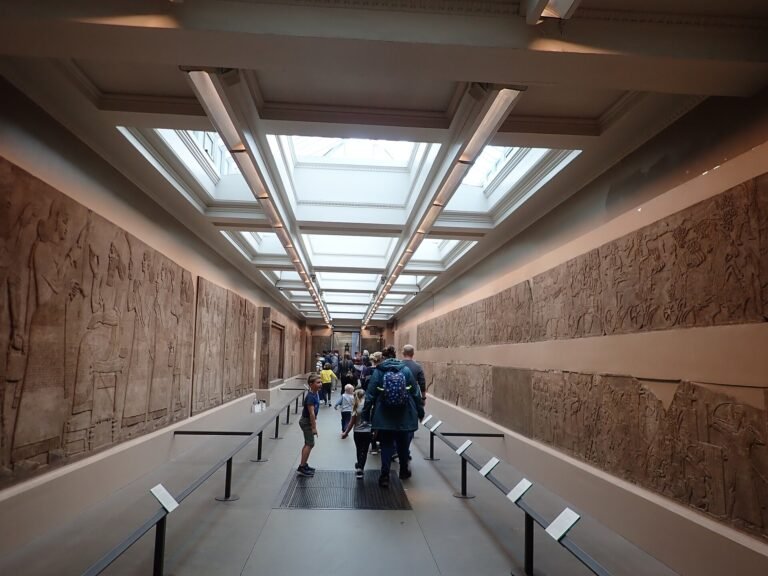 Most Famous Objects in the British Museum: How They Got ThereThe British Museum was founded in 1753, and its best-known objects arrived by surrender treaties, excavations, purchases and gifts. This guide traces each route, including two…9 min read · 27 sources
 The First Fleet: How Convicts Founded British Australia in 1788The First Fleet left Portsmouth on 13 May 1787 under Captain Arthur Phillip. Its 11 ships carried about 750–780 convicts to Australia, and the fleet settled…7 min read · 10 sources
 Sigiriya, the Lion Rock of Sri Lanka: Palace in the SkySigiriya is a granite rock fortress in Sri Lanka's Matale district that King Kashyapa I made his capital from 477 to 495. This article follows its…6 min read · 7 sources
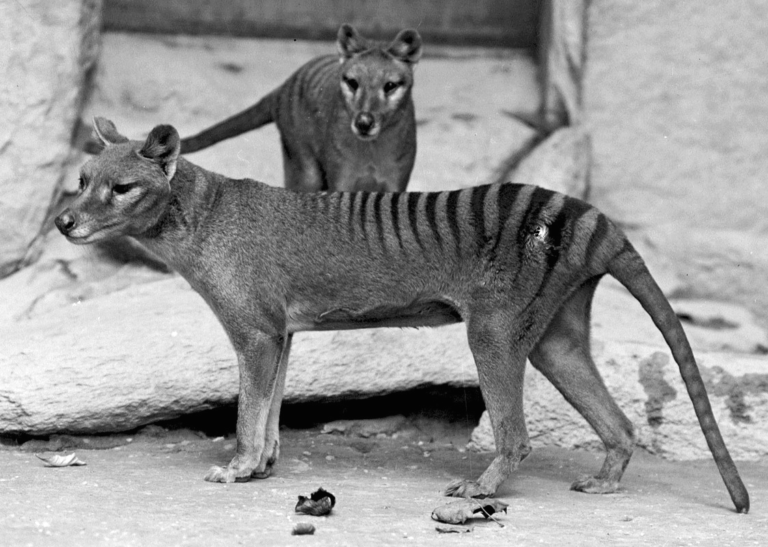 Why the Tasmanian Tiger Went Extinct: Last Thylacine StoryThe Tasmanian tiger was hunted under bounty schemes and lost habitat, helped along by exaggerated claims that it killed livestock. The last known captive animal died…9 min read · 16 sources
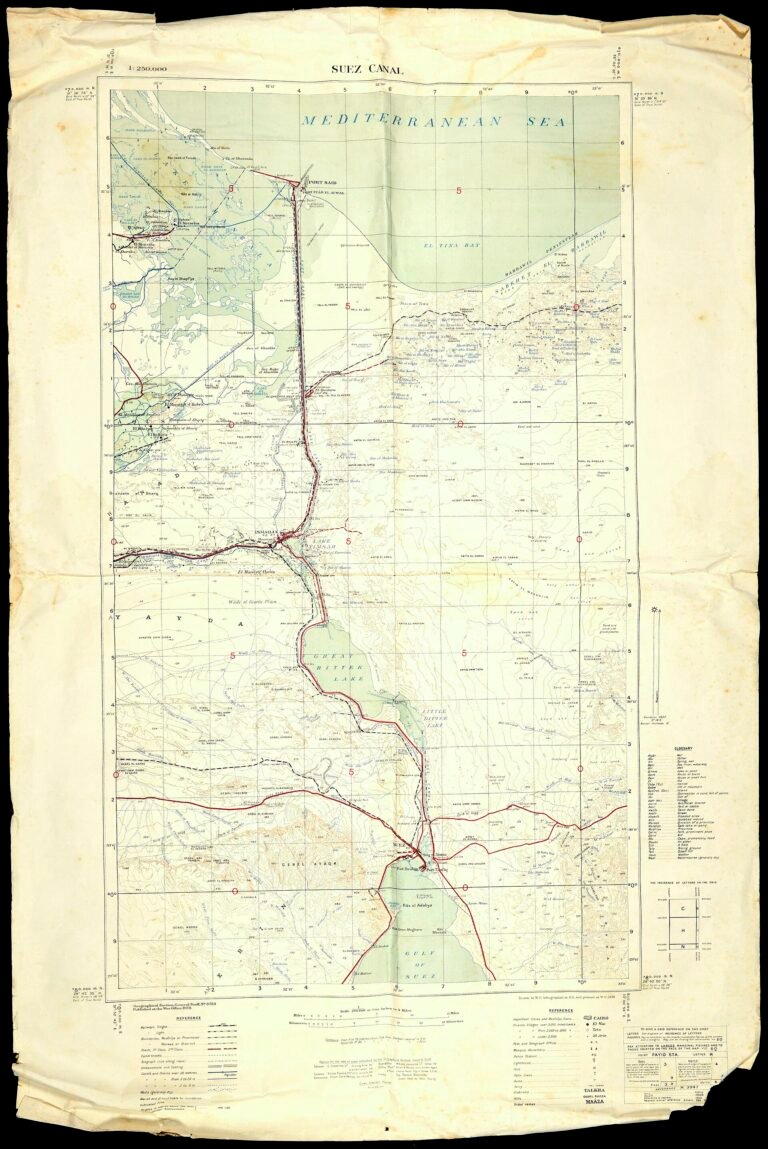 How the Suez Canal Was Built and the 1956 Suez CrisisThe Suez Canal was dug between 1859 and 1869 under Ferdinand de Lesseps, first by forced Egyptian labor and then increasingly by machines. In 1956 Egypt's…8 min read · 17 sources
 How Did Polynesians Navigate? Stars, Canoes and WayfindingPolynesian navigators crossed the Pacific in double-hulled canoes by reading star rising and setting points, the Sun, swells, birds and clouds. The 1976 Hōkūleʻa voyage from…9 min read · 14 sources
 Kamehameha I: the king who unified the Hawaiian IslandsKamehameha I brought the major Hawaiian Islands under one rule by 1810, using campaigns, foreign weapons and diplomacy. This article covers his birth, height, death, hidden…7 min read · 18 sources
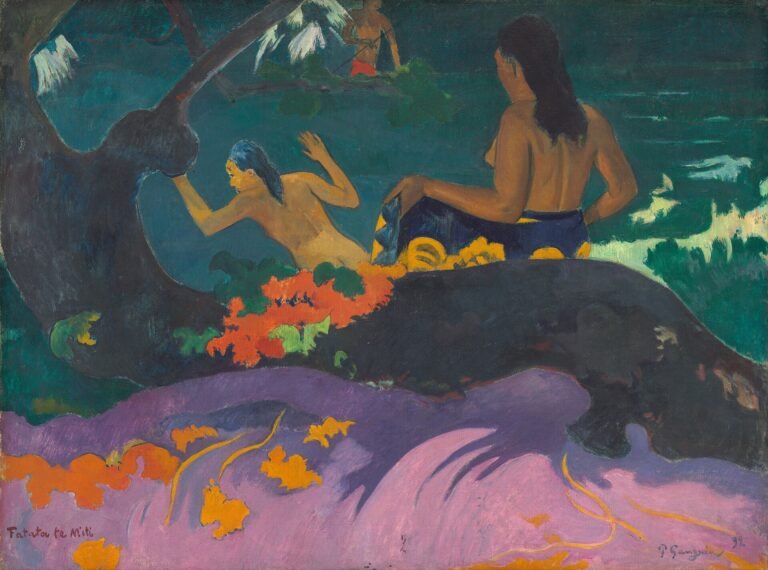 Paul Gauguin in Tahiti: why the painter fled to the PacificPaul Gauguin left France in 1891 to escape money trouble, live cheaply and make new paintings that would get Paris talking. Tahiti did not match his…8 min read · 10 sources
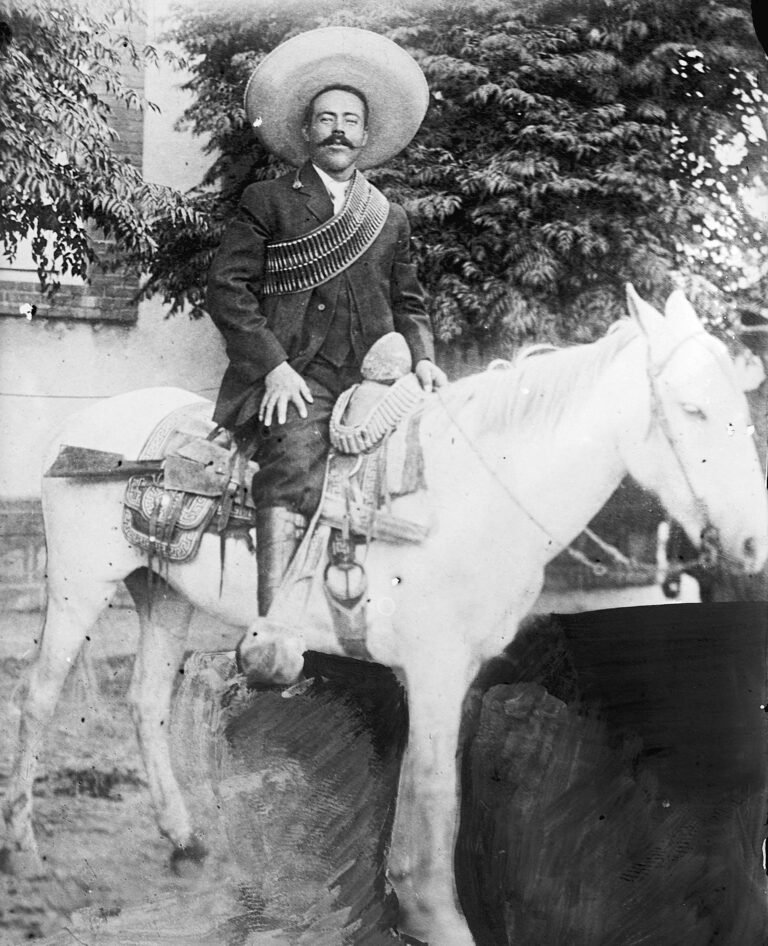 Pancho Villa and the Mexican Revolution: Life and DeathPancho Villa led the División del Norte in the Mexican Revolution and helped topple the Huerta government at Zacatecas in 1914. He laid down arms in…7 min read · 9 sources
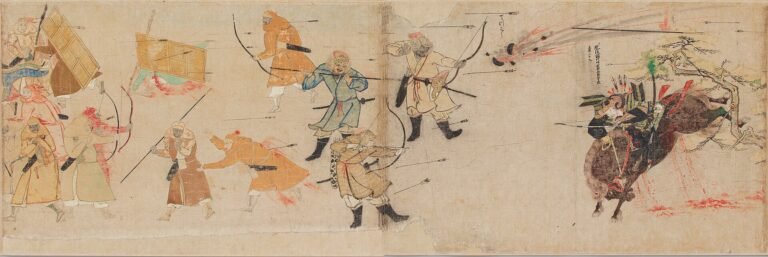 Mongol Invasions of Japan 1274 and 1281: The Kamikaze WindKublai Khan sent two fleets against Japan, in 1274 and 1281, and both failed. The 1281 typhoon is well documented, the 1274 storm is debated, and…8 min read · 11 sources
 Khiva’s Itchan Kala: Uzbekistan’s living museum cityItchan Kala is the walled inner town of Khiva in Uzbekistan's Khorezm region. It has been a UNESCO World Heritage Site since 1990, and UNESCO asked…7 min read · 8 sources
 The Haitian Revolution and Toussaint Louverture ExplainedBetween 1791 and 1804, enslaved people in the French colony of Saint-Domingue fought their way to abolition and then to independence. Toussaint Louverture built the army…8 min read · 11 sources
 Bukhara: History of the Silk Road City of Learning and TradeBukhara is a city in Uzbekistan that grew through Silk Road trade and became a centre of Arabic learning and Persian literature under the Samanids. Its…7 min read · 7 sources
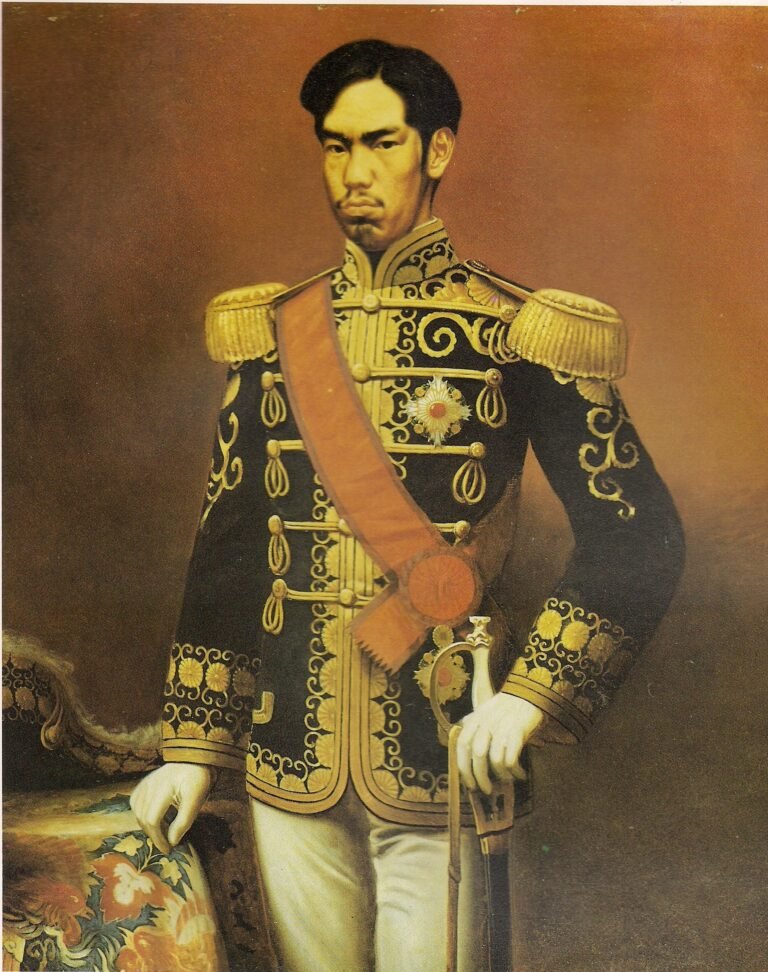 The Meiji Restoration: How Japan Modernized in 44 YearsThe Meiji Restoration of 1868 replaced the Tokugawa shogunate with a reform-minded government acting in the name of Emperor Meiji. Through taxes, schools, a conscript army,…8 min read · 14 sources
 Bikini Atoll Nuclear Tests and the Origin of the Bikini NameBikini Atoll in the Marshall Islands hosted 23 US nuclear tests between 1946 and 1958, after its 167 residents were moved away. Four days after the…7 min read · 15 sources
 The Berlin Conference 1884: How Africa Was DividedThe Berlin Conference ran from 15 November 1884 to 26 February 1885. Fourteen states met in Berlin to set rules for trade, river travel and new…8 min read · 8 sources
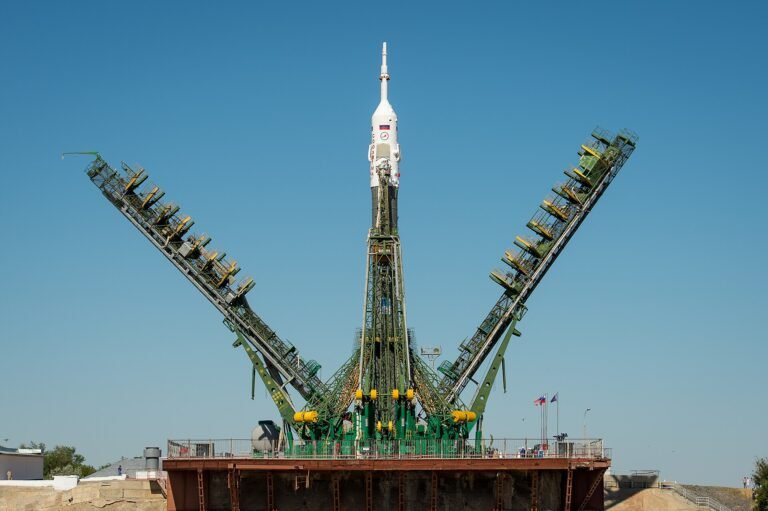 Baikonur Cosmodrome: the Kazakhstan Launch Site of Sputnik and GagarinBaikonur Cosmodrome is a Soviet-built launch site on the Kazakh steppe, founded in 1955 and leased by Russia until 2050. Sputnik 1 and Yuri Gagarin's Vostok…7 min read · 10 sources
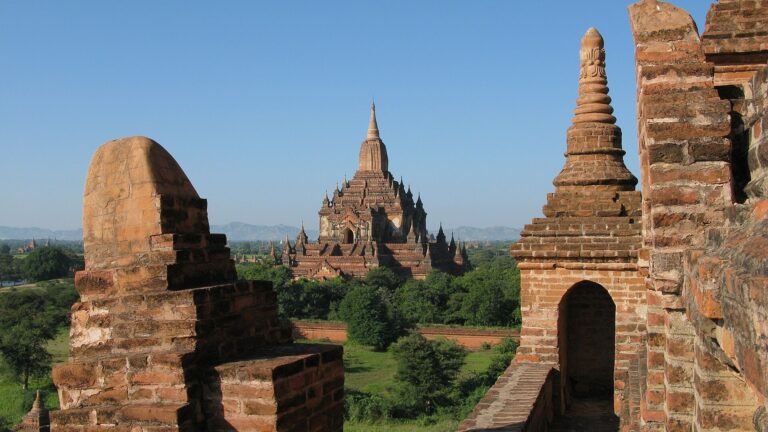 Bagan, Myanmar: Plain of Temples and Kublai Khan’s InvasionBagan, once called Pagan, was the capital of a kingdom that united the lands of today's Myanmar between the 9th and 13th centuries. Kublai Khan's armies…7 min read · 12 sources
 The Atlantic Slave Trade: Dates, Routes and NumbersThe Atlantic slave trade moved about 12.5 million enslaved Africans onto ships between the 16th and 19th centuries, and about 10.7 million survived the crossing. This…8 min read · 18 sources
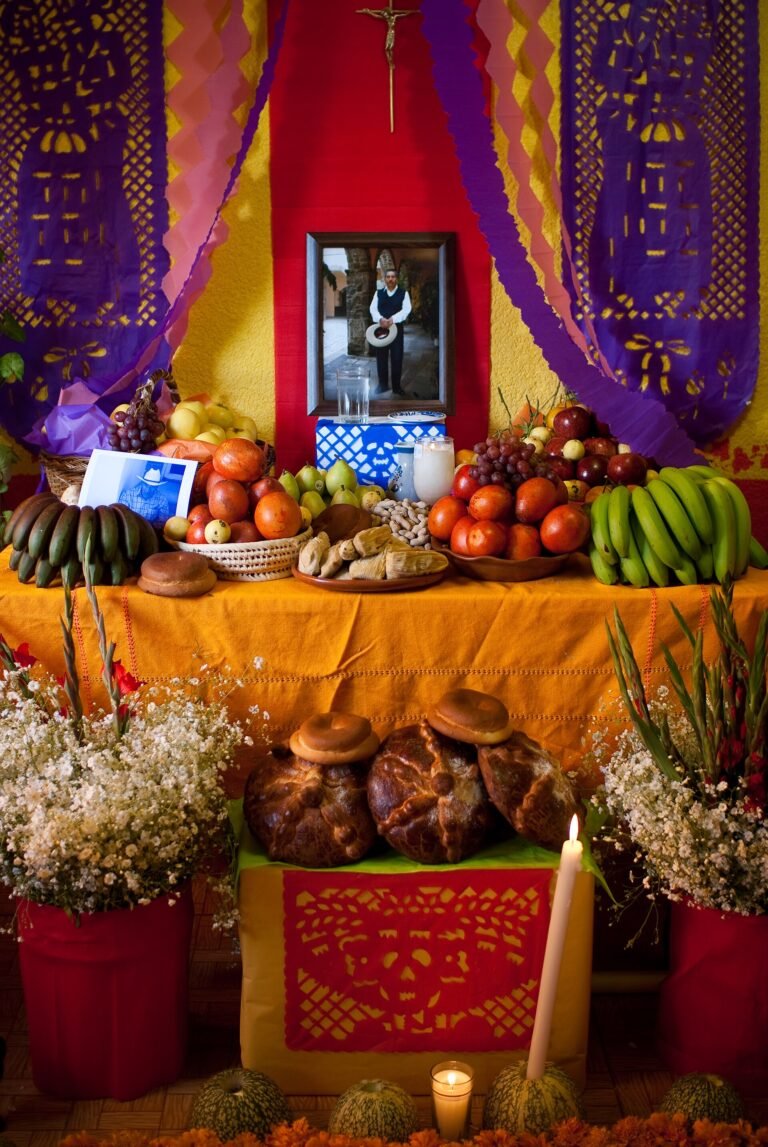 Day of the Dead: The Origins of Mexico’s TraditionDay of the Dead is a Mexican tradition of remembering dead relatives, held each year on 1–2 November. Scholars disagree on its roots: UNESCO describes a…7 min read · 10 sources
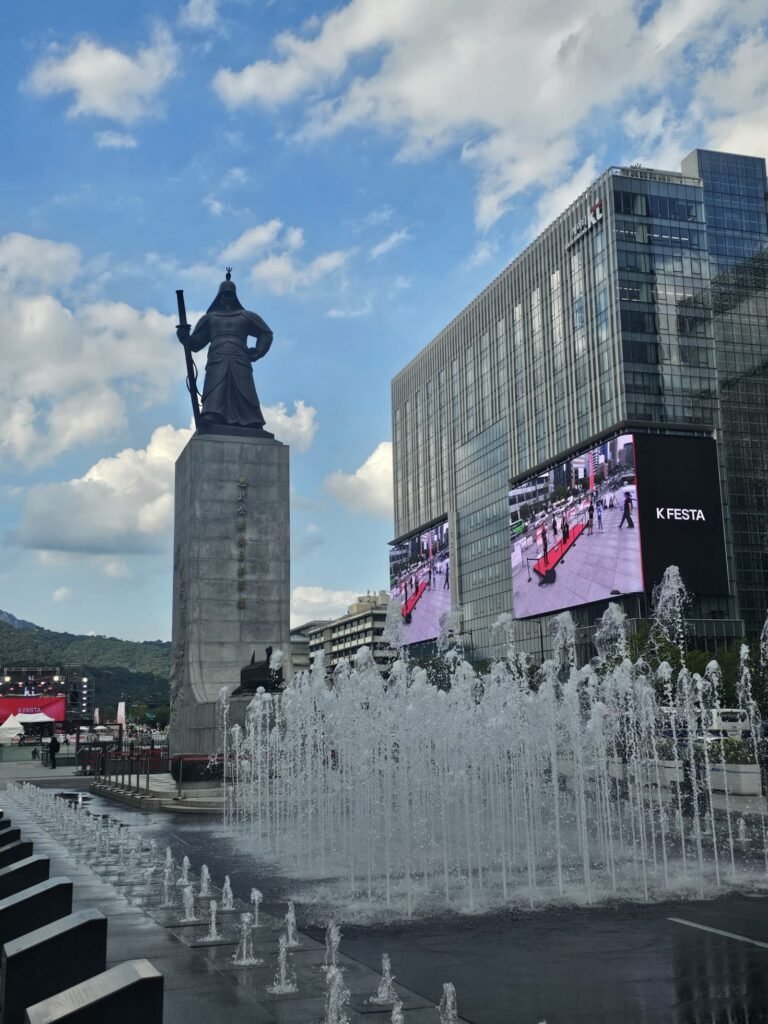 Yi Sun-sin and the Turtle Ships: How Korea Beat JapanAdmiral Yi Sun-sin led Korea's naval defence during the 1592–1598 Japanese invasions. His fleet's wins at sea made it harder for Japanese armies to keep their…7 min read · 10 sources
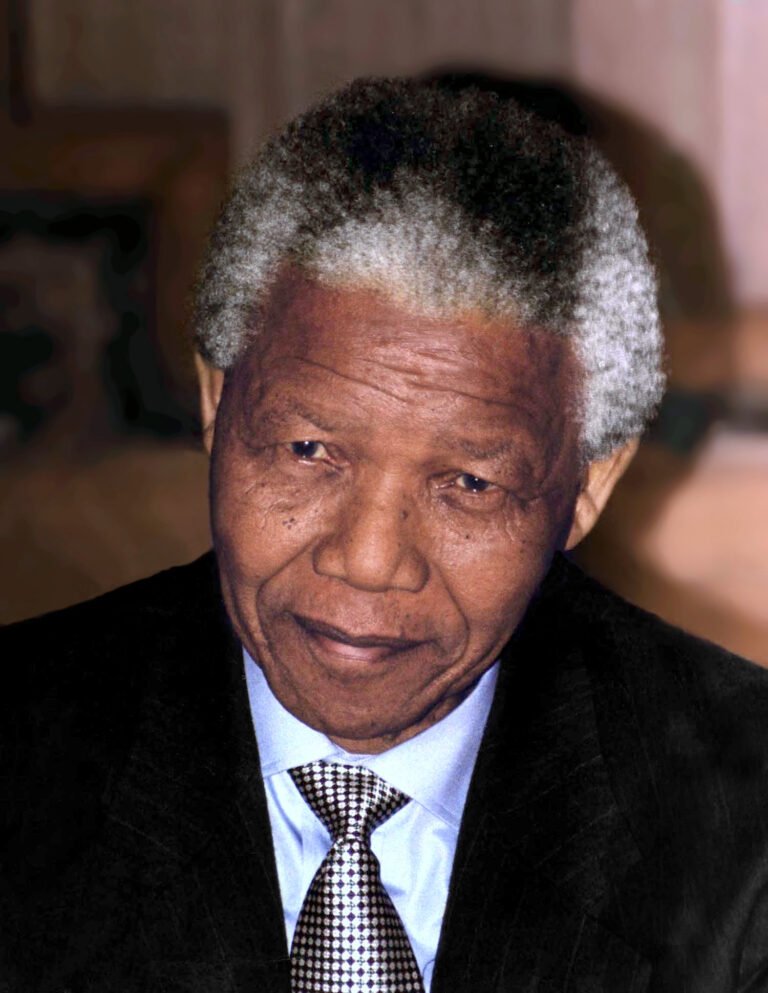 Nelson Mandela and Apartheid: From 27 Years in Prison to the PresidencyNelson Mandela was a lawyer who fought South Africa's apartheid laws from inside the ANC. He was jailed in 1962, freed on 11 February 1990 after…7 min read · 11 sources
 Ned Kelly: Australia’s Armoured Outlaw or Folk Hero?Ned Kelly was a Victorian outlaw who wore homemade plough-iron armour at Glenrowan in 1880 and was hanged the same year. Australians still argue over whether…7 min read · 11 sources
 The Indian Rebellion of 1857: First Great Revolt Against British RuleThe Indian Rebellion of 1857 began as a soldiers' mutiny at Meerut on 10 May 1857 and grew into a wide revolt across northern and central…7 min read · 8 sources
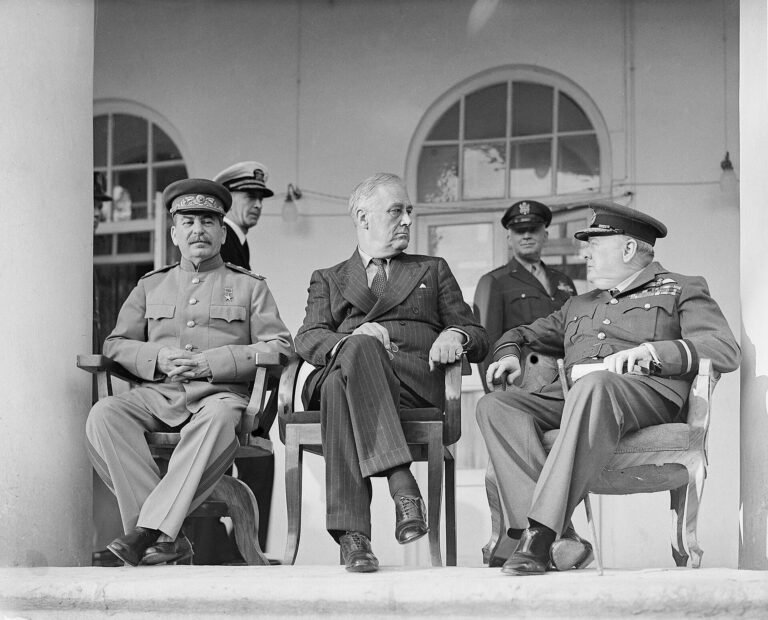 Joseph Stalin: From Gori, Georgia to Ruler of the Soviet UnionJoseph Stalin was born in Gori in 1878, the son of a cobbler and a laundress. He rose through the Bolshevik party to become general secretary…7 min read · 8 sources
 Miyamoto Musashi: The Two-Sword Master and Five RingsMiyamoto Musashi (about 1584–1645) was a Japanese swordsman, strategist, writer and painter who founded the two-sword school Niten Ichi-ryū. He spent his last years in Kumamoto,…7 min read · 7 sources
 Simón Bolívar: the Liberator of South America ExplainedSimón Bolívar was a Venezuelan soldier and statesman, born in Caracas in 1783, who led independence struggles against Spanish rule in South America. He died in…6 min read · 7 sources
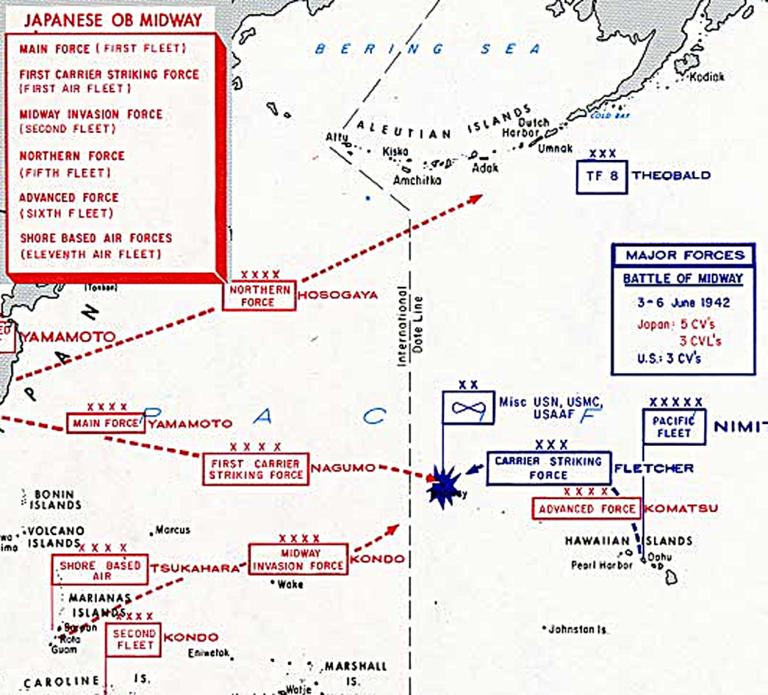 The Battle of Midway 1942: the turning point of the Pacific WarThe Battle of Midway took place from 4 to 7 June 1942 and ended in a US victory over Japan. Japan lost four large aircraft carriers,…7 min read · 6 sources
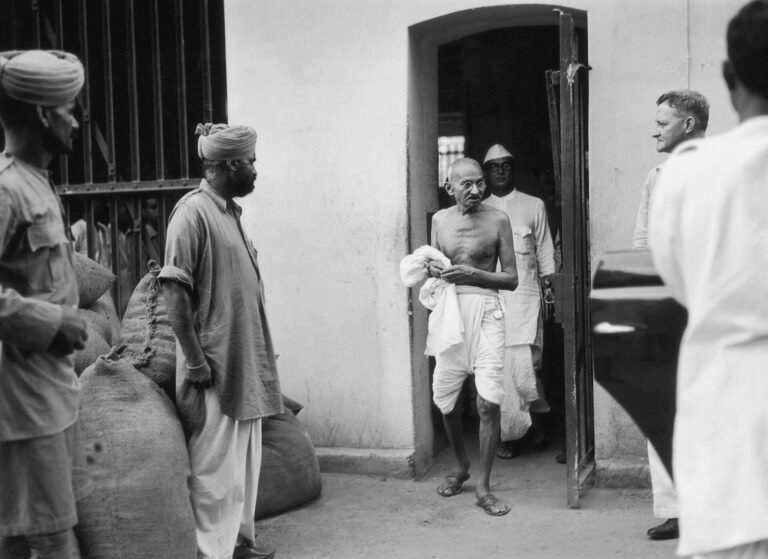 Mahatma Gandhi: Life, Nonviolence and the Road to IndependenceMohandas Karamchand Gandhi was born in Porbandar in 1869 and became the leading voice of nonviolent resistance to British rule in India. This guide covers his…7 min read · 10 sources
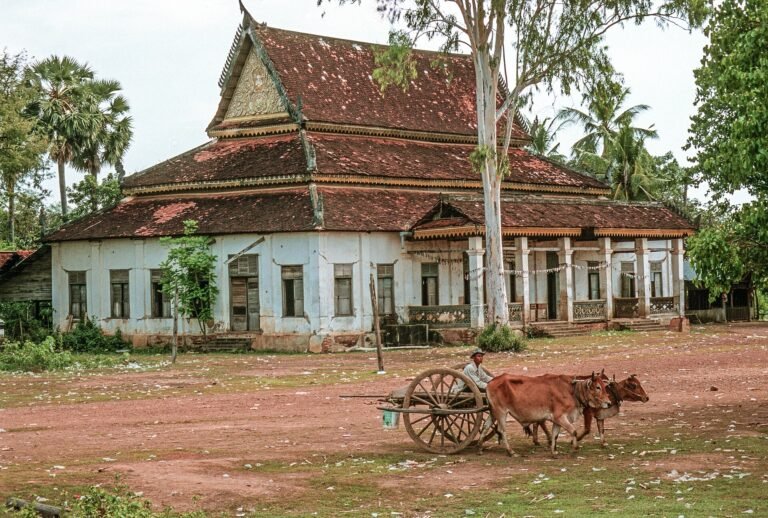 The Khmer Rouge and Pol Pot: How the Cambodian Genocide UnfoldedThe Khmer Rouge, led by Pol Pot, captured Phnom Penh on 17 April 1975, emptied the cities and forced the country into collective farming. Executions, forced…7 min read · 20 sources
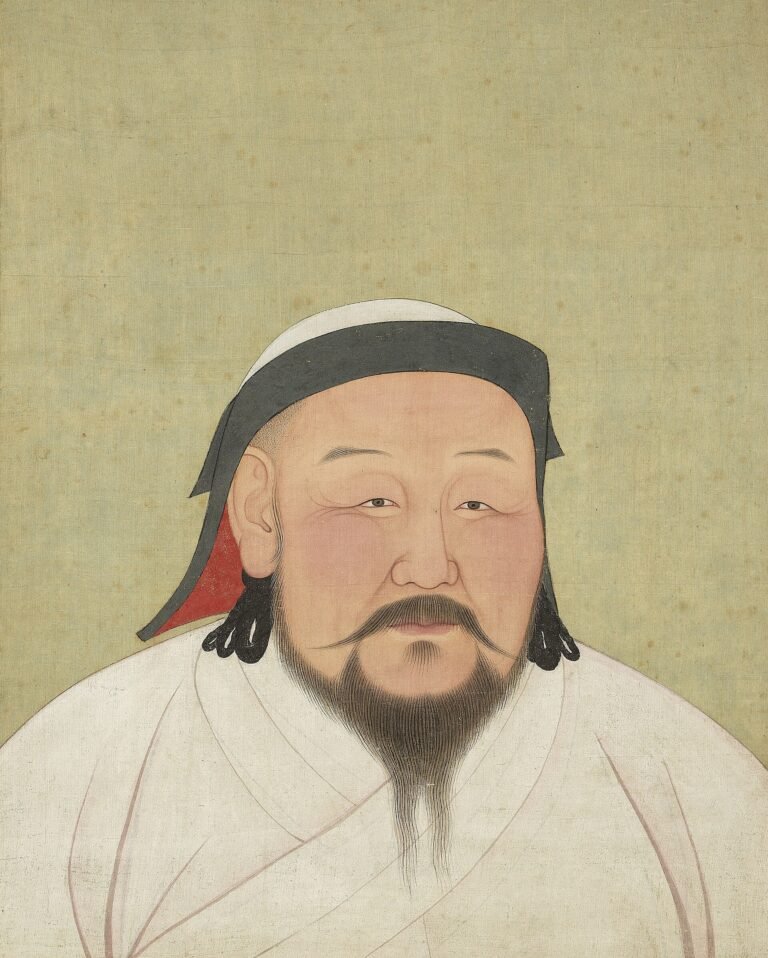 Kublai Khan and the Yuan Dynasty: Mongol Rule in ChinaKublai Khan, grandson of Genghis Khan, declared the Yuan dynasty in 1271 and ruled all of China after the Song defeat of 1279. This article follows…7 min read · 17 sources
 The Inca Empire: Rise Under Pachacuti, Fall to SpainThe Inca Empire grew from a small kingdom around Cusco into a state that stretched along the Andes, with Pachacuti driving the great expansion. A civil…7 min read · 9 sources
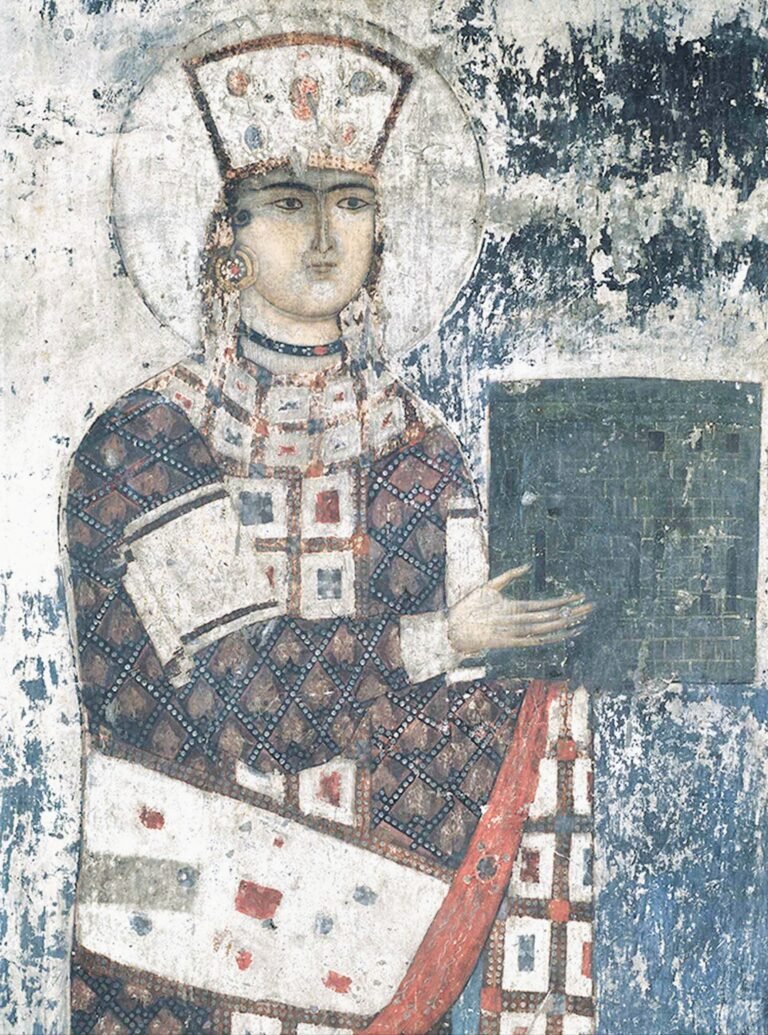 Queen Tamar of Georgia: Ruler Titled ‘King’ in Golden AgeTamar of Georgia became co-ruler with her father in 1178 and sole ruler in 1184, governing in her own right as the first woman to do…6 min read · 8 sources
 King Leopold II and the Congo Free State: Facts and LegacyLeopold II ruled Belgium from 1865 to 1909 and held the Congo Free State as his personal domain from 1885 to 1908. This article covers his…7 min read · 13 sources
 First Ascent of Everest: Edmund Hillary and Tenzing NorgayOn 29 May 1953, New Zealander Edmund Hillary and Sherpa climber Tenzing Norgay made the first documented successful ascent of Everest, as part of John Hunt's…6 min read · 12 sources
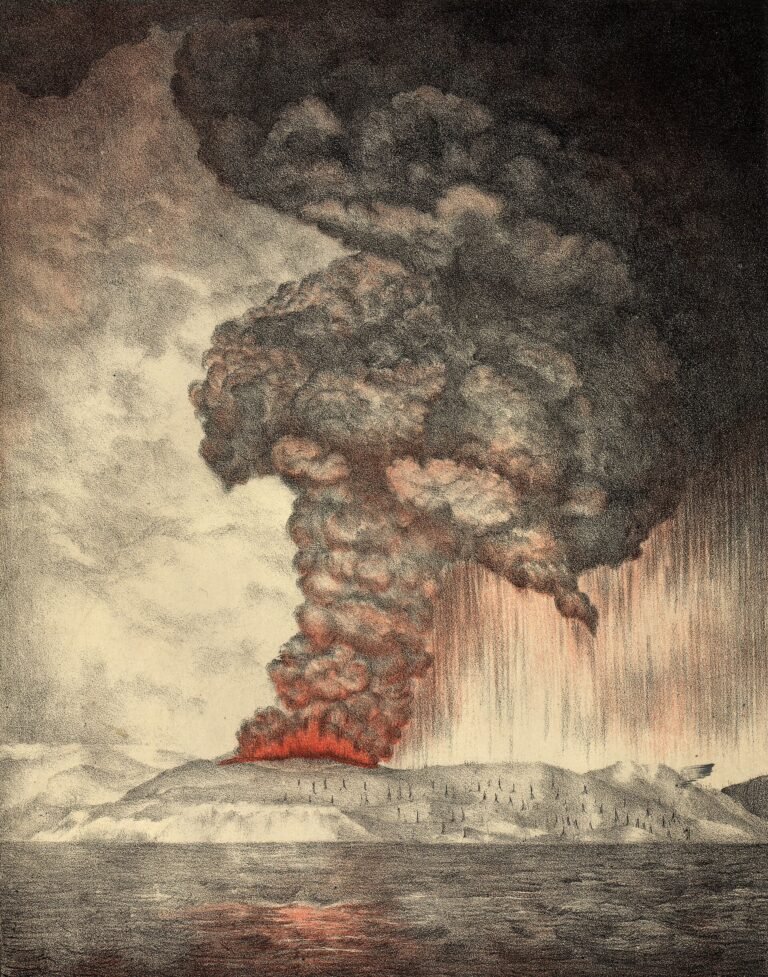 1883 Eruption of Krakatoa: The Loudest Sound on RecordKrakatau, a volcanic island group in the Sunda Strait, erupted violently on 26–27 August 1883 and destroyed most of the island. The explosions were heard about…8 min read · 12 sources
 Eva Perón (Evita): Argentina’s Most Beloved First LadyEva Perón went from radio and film acting to become Argentina's first lady from 1946 to 1952. She backed women's suffrage, led the Peronist Women's Party,…7 min read · 11 sources
 Che Guevara: From the Cuban Revolution to His Death in BoliviaErnesto Che Guevara was an Argentine doctor who became a leading commander of the Cuban Revolution. After failed campaigns in the Congo and Bolivia, he was…7 min read · 12 sources
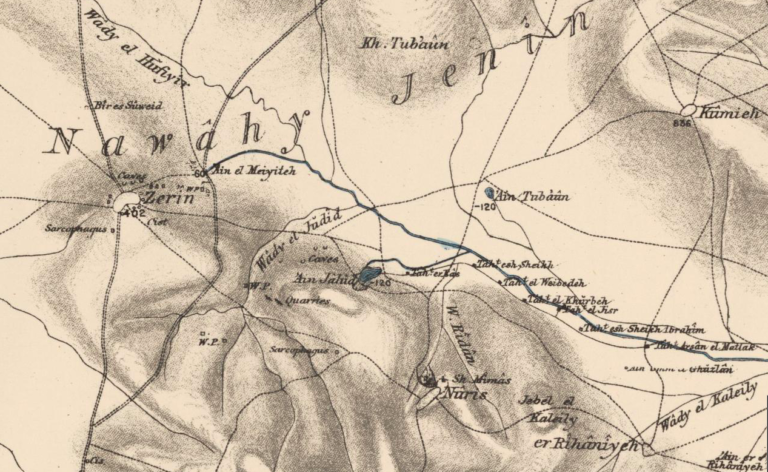 Ain Jalut 1260: How the Mongols Lost and Who Baybars WasOn 3 September 1260 a Mamluk army under Sultan Qutuz, with Baybars leading the vanguard, defeated Kitbuqa's Mongol force at Ain Jalut and halted the Mongol…6 min read · 8 sources
 Ayutthaya Kingdom: How Burma Burned Siam’s Old CapitalThe Ayutthaya Kingdom ruled Siam from 1351 to 1767. Burmese troops tunneled under its walls in April 1767, burned the capital and carried off its people,…7 min read · 10 sources
 Atahualpa and Pizarro: 168 Spaniards and the Inca EmpireFrancisco Pizarro's 168 men captured the Sapa Inca Atahualpa alive in the Cajamarca plaza on 16 November 1532. The Ransom Room, not the ambush, is the…7 min read · 7 sources
 The Partition of India 1947: How Pakistan Was CreatedIn August 1947 British India split into two independent dominions, India and Pakistan. This article explains how the demand for Pakistan grew, how the borders were…7 min read · 14 sources
 Why the Vietnam War Happened and Why the United States LostThe Vietnam War grew out of an unresolved split after French rule, a power struggle in the South and the U.S. policy of limiting communism. The…9 min read · 18 sources
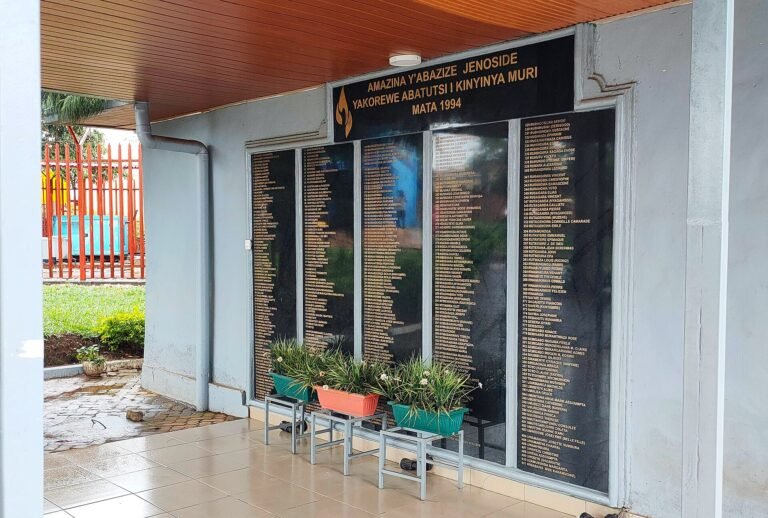 The Rwandan Genocide 1994: Causes and How It UnfoldedIn about 100 days from April 1994, Tutsi civilians in Rwanda were systematically killed, in a country where colonial rule, exile, civil war and a power…8 min read · 18 sources
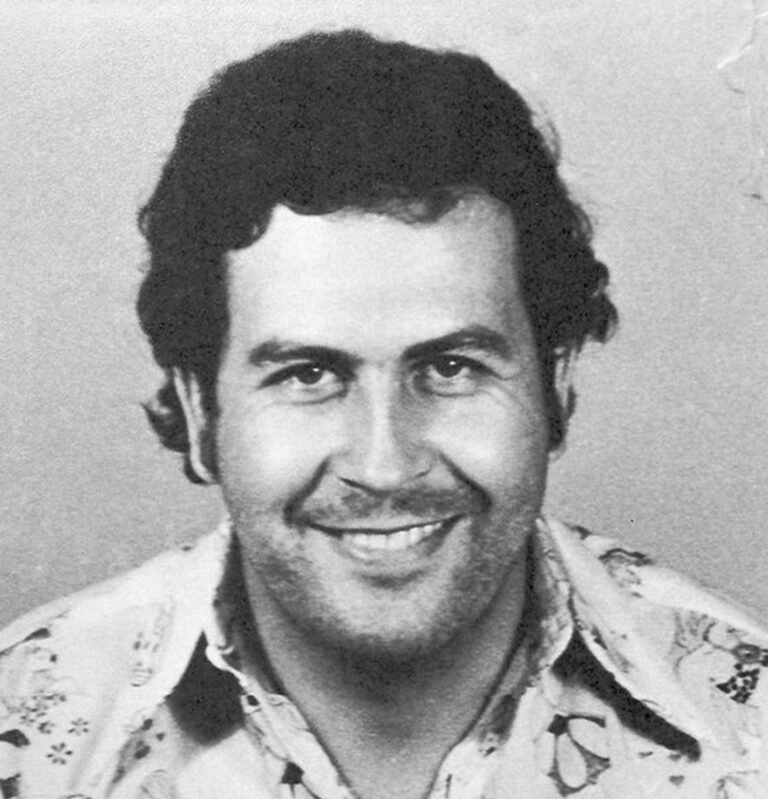 Pablo Escobar: the rise and fall of the Medellín CartelPablo Escobar was born in Rionegro, Colombia, in 1949 and became a founder and leader of the Medellín Cartel. This article follows his rise, the violence…6 min read · 10 sources
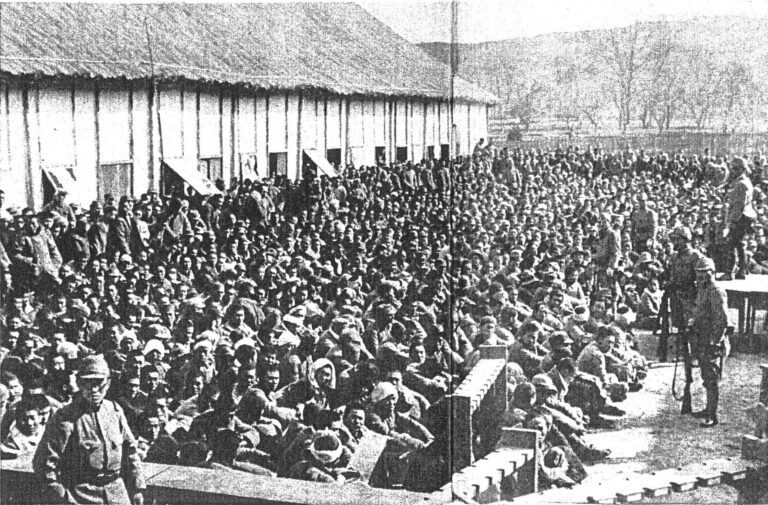 The Nanjing Massacre 1937: What Happened and How to VisitJapan's army captured Nanjing on 13 December 1937. Mass killings, rape and looting followed. This article explains what happened, why the death toll is debated, and…7 min read · 12 sources
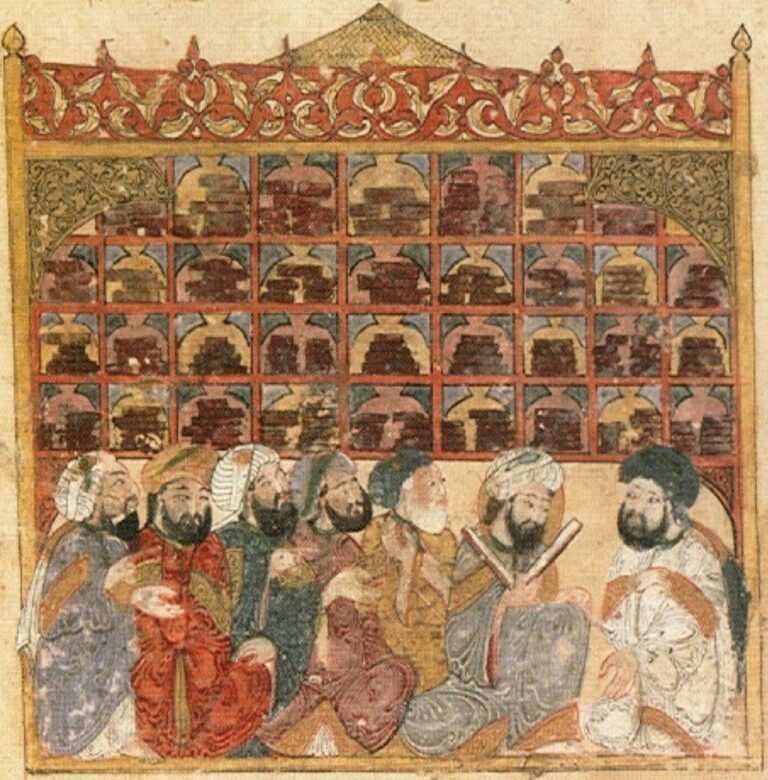 House of Wisdom Baghdad: Harun al-Rashid’s Library of ScienceThe House of Wisdom was an Abbasid palace library in Baghdad whose roots reach back to Caliph al-Mansur and which grew under Harun al-Rashid and al-Ma'mun.…7 min read · 10 sources
 The Kara-Khanids: The First Turkish State to Embrace IslamThe Kara-Khanids were a Turkic dynasty that ruled Transoxiana and Eastern Turkestan from 840 to 1212 and became Muslim under Satuk Bughra Khan. The title of…6 min read · 12 sources
 How Did Hawaii Become Part of the United States? The OverthrowHawaii was an independent kingdom recognized abroad and governed by a written constitution. Queen Liliʻuokalani was overthrown on 17 January 1893 with American diplomatic and military…8 min read · 15 sources
 Who Was Haji Bektash Veli? Lodge, Tomb and TeachingHaji Bektash Veli was a Turkmen sheikh who lived in 13th-century Seljuk Anatolia and is honored as the pir of the Bektashi order. This article covers…6 min read · 13 sources
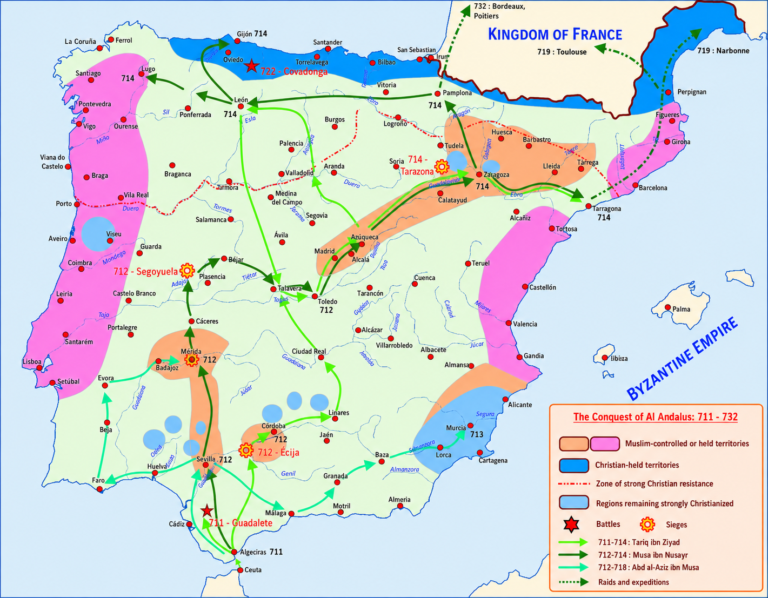 Tariq ibn Ziyad: Did He Burn the Ships? Spain 711 TruthTariq ibn Ziyad led the Umayyad crossing into Iberia in 711, but the famous ship burning is first recorded in the 12th century and is doubtful.…7 min read · 7 sources
 Moctezuma and Cortés: Did He Mistake Spaniards for Gods?The story that Moctezuma took Cortés for the returning god Quetzalcoatl comes from sources written after the conquest, and historian Matthew Restall finds no evidence for…8 min read · 12 sources
 Great Zimbabwe: Who Built the Stone City Europeans Denied?Great Zimbabwe was built by the ancestors of the Shona peoples, who stacked granite blocks without mortar and ran a medieval kingdom from the site. Colonial…8 min read · 10 sources
 Saint Basil’s Cathedral: Domes, Architect and HistorySaint Basil's Cathedral is a group of churches that Ivan IV built on Red Square in Moscow between 1555 and 1561 to mark the capture of…6 min read · 8 sources
 Borobudur: The World’s Largest Buddhist Temple ExplainedBorobudur is a stepped monument in Central Java, built in the 8th and 9th centuries under the Shailendra Dynasty, and Guinness World Records lists it as…7 min read · 10 sources
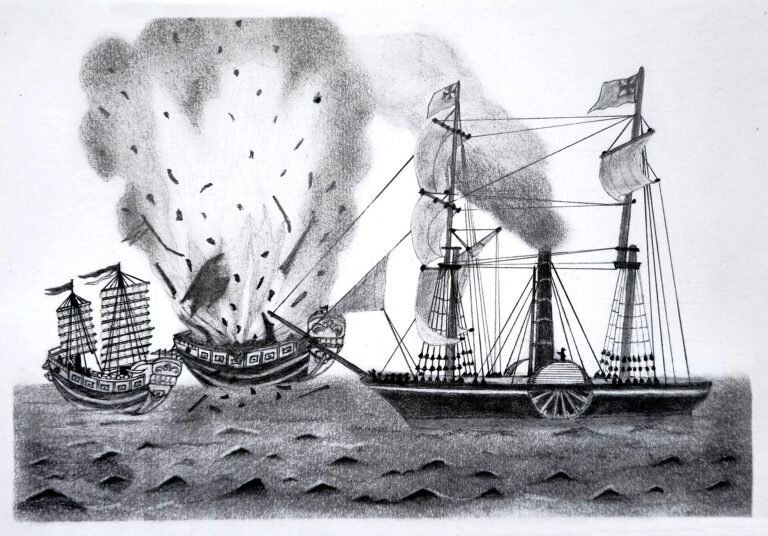 The Opium Wars: How Britain Went to War to Sell Drugs to ChinaBritain fought two wars against Qing China between 1839 and 1860. Smuggled Indian opium, tea trade debts and access to Chinese ports drove the conflict, and…8 min read · 9 sources
 Teotihuacan: Who Built the City of the Gods Before the Aztecs?Teotihuacan, northeast of Mexico City, was a huge city that flourished centuries before the Aztecs, who gave it its name after it was already in ruins.…7 min read · 14 sources
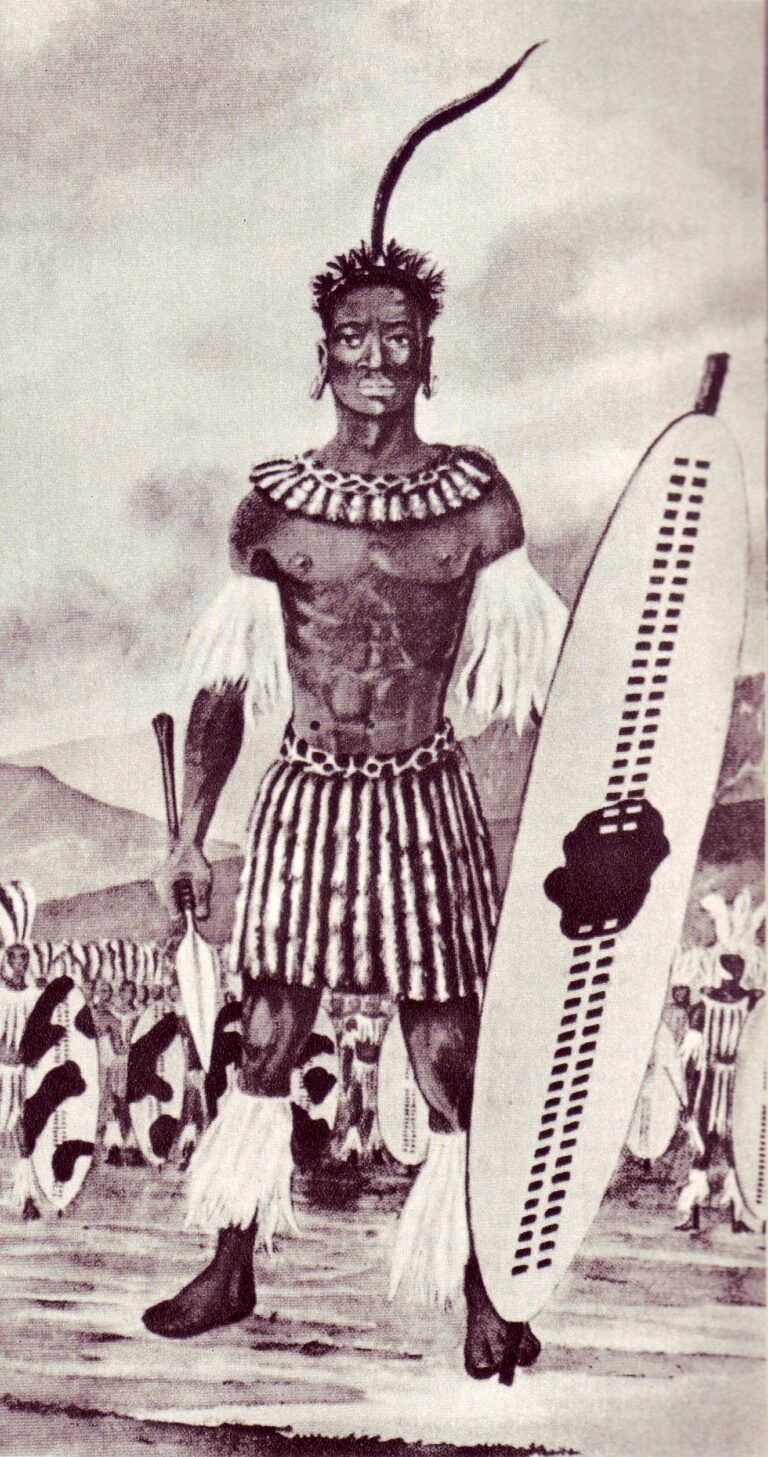 Who Was Shaka Zulu? King, Empire Builder and IsandlwanaShaka kaSenzangakhona ruled the Zulu from 1816 to 1828 and turned a small chiefdom into a regional power in southeastern Africa. The British defeat at Isandlwana…6 min read · 11 sources
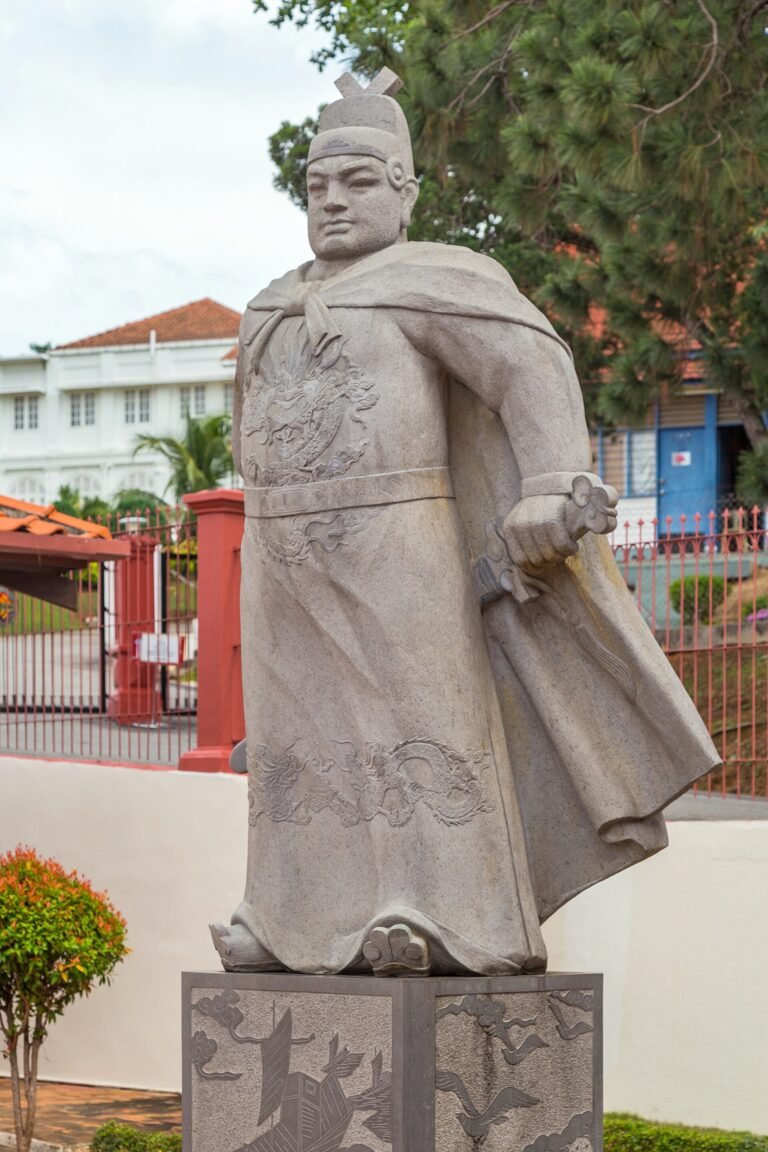 Zheng He: How China’s Treasure Fleet Reached AfricaZheng He, a Hui Muslim admiral of the Ming court, commanded seven great voyages between 1405 and 1433 and his fleets reached East African ports. The…6 min read · 10 sources
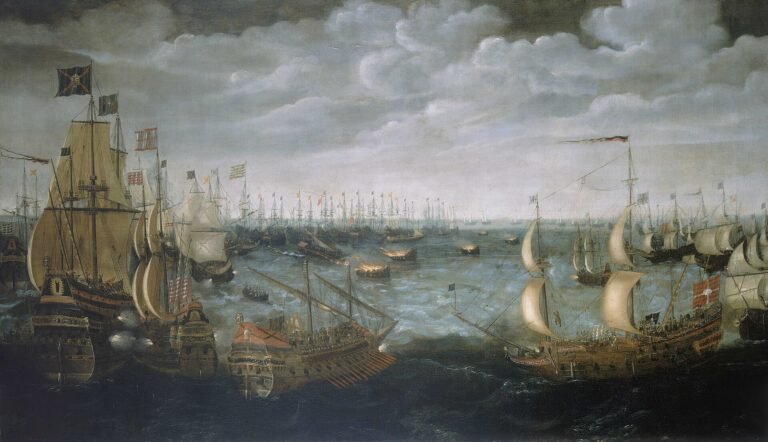 Spanish Armada 1588: How Spain’s Fleet Lost to EnglandIn 1588 Philip II sent about 130 ships to carry an army to England and remove Elizabeth I. Fireships at Calais, English gunnery at Gravelines, contrary…8 min read · 10 sources
 Ulugh Beg: Why His Own Son Killed the Samarkand AstronomerUlugh Beg was a Timurid ruler who founded a madrasa and an observatory in Samarkand and produced a catalogue of 1018 stars. In October 1449 his…6 min read · 12 sources
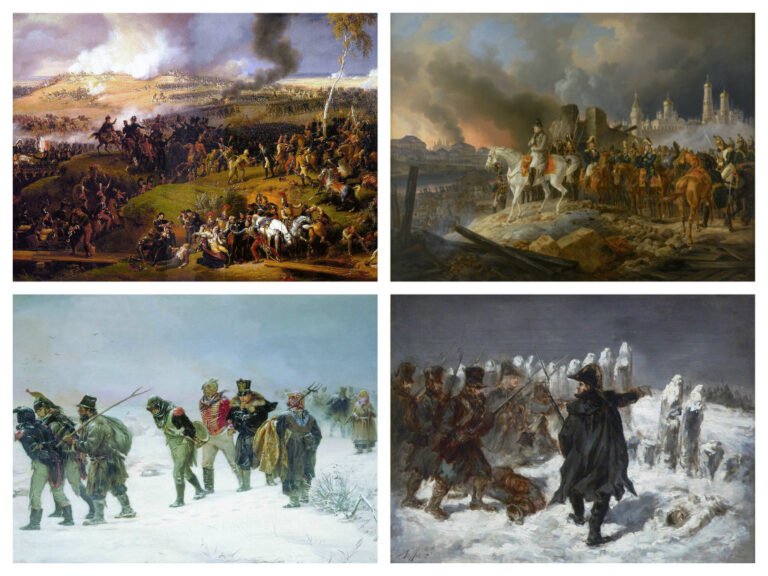 Napoleon’s Invasion of Russia in 1812: How 600,000 Men VanishedNapoleon's Grande Armée crossed the Neman on 24 June 1812 and reached Moscow with about 100,000 men in the main force. Hunger, disease, scorched earth and…9 min read · 11 sources
 Mary Celeste Mystery Solved? The Ghost Ship ExplainedThe Mary Celeste was found adrift in the Atlantic on 4 December 1872, seaworthy but with all 10 people missing. Experiments in 2006 and 2026 support…7 min read · 6 sources
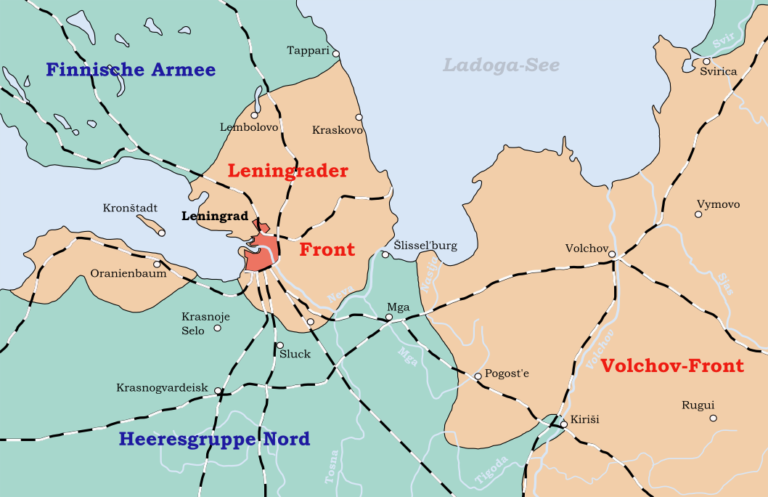 The Siege of Leningrad: 872 Days of Starvation ExplainedThe Siege of Leningrad ran from 8 September 1941 to 27 January 1944, a total of 872 days. The city was never taken, even though hunger,…8 min read · 11 sources
 The Koh-i-Noor: The Cursed Diamond in the British CrownThe Koh-i-Noor is a 105.60-carat diamond that passed from Delhi to Persia, Afghanistan and the Sikh court before Britain took it under the 1849 Treaty of…7 min read · 9 sources
 The Great Mosque of Córdoba: 856 Columns and a Cathedral InsideThe Mosque-Cathedral of Córdoba began in 785–786 under Abd al-Rahman I and grew through several rulers. In 1236 it became a cathedral, and from 1523 a…8 min read · 13 sources
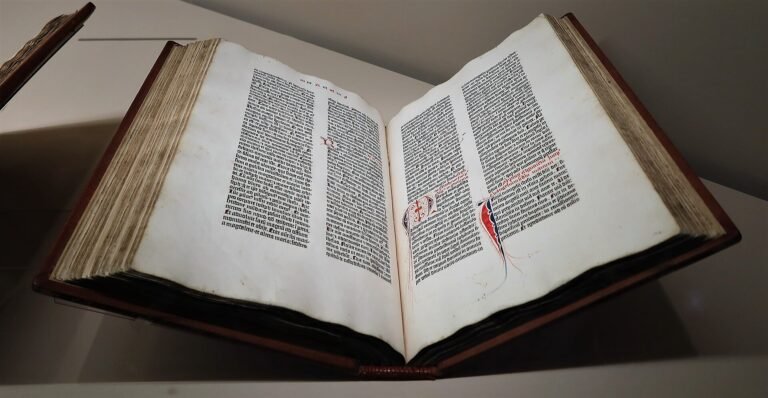 Gutenberg and the Printing Press: Machine That Changed WorldJohannes Gutenberg, born in Mainz around 1400, joined reusable metal letters, oil-based ink and a screw press into one working system in Europe. The 42-line Bible…8 min read · 15 sources
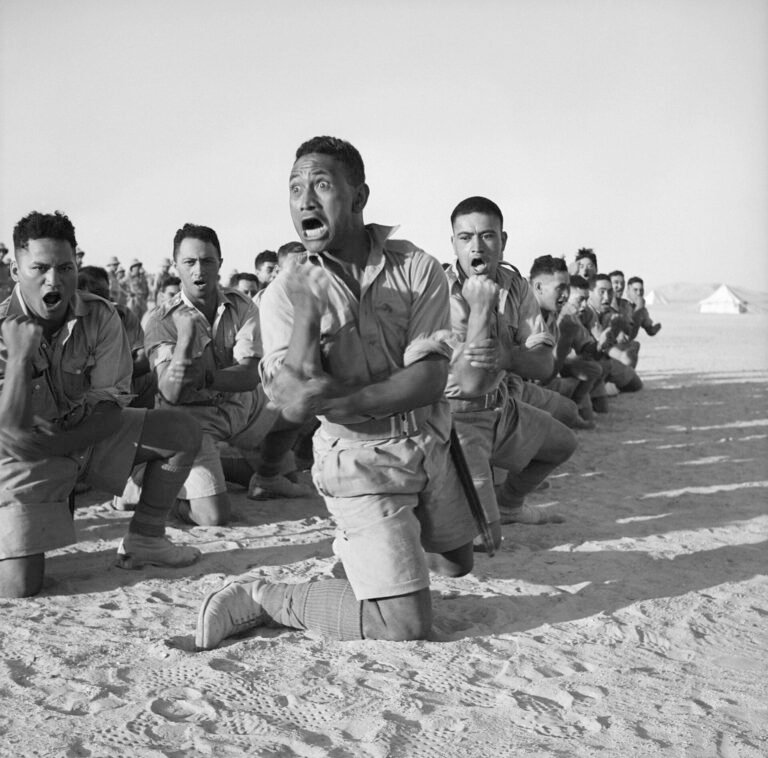 What Is the Haka? Origin of the Maori War Dance and RugbyThe haka is a Māori performance tradition that combines chanting, forceful body movement and foot stamping. It served for welcomes, remembrance and war, and it reached…8 min read · 14 sources
 Chichen Itza: Serpent Descending Kukulkan PyramidThe Kukulkan Pyramid at Chichen Itza, about 30 metres tall, shows a light-and-shadow pattern near the equinoxes that joins a stone serpent head to look like…6 min read · 10 sources
 Cahokia: Why Was This Pre-Columbian City Abandoned?Cahokia was a Mississippian centre near today's St. Louis, home to an estimated 10,000–20,000 people at its peak. Researchers still debate why it emptied by 1350–1400,…8 min read · 16 sources
 The Wounded Knee Massacre of 1890: Ghost Dance and Its EndOn 29 December 1890, an attempt to disarm Lakota people at Wounded Knee Creek turned into a massacre by the US 7th Cavalry. This article explains…7 min read · 11 sources
 Who Was Al-Biruni? The Khwarazm Scholar Who Measured EarthAl-Biruni was a scholar born in 973 in Kâs, in Khwarazm, who worked on astronomy, geography, mineralogy, pharmacy and India. About a thousand years ago he…8 min read · 9 sources
 Mutiny on the Bounty 1789: How Mutineers Hid on PitcairnOn 28 April 1789 sailors led by Fletcher Christian seized HMS Bounty from William Bligh. They sailed to Pitcairn Island, burned the ship and stayed hidden…6 min read · 11 sources
 The Buddhas of Bamiyan: How Giants Were Destroyed in 2001Two giant Buddhas, about 55 and 38 metres tall, were carved into cliffs in Afghanistan's Bamyan Valley in the sixth and seventh centuries. The Taliban destroyed…7 min read · 14 sources
 Umayyad Mosque Damascus: History, John the Baptist, SaladinThe Umayyad Mosque stands in the Old City of Damascus, on ground that held a Hadad temple, a Roman shrine and a church before Caliph al-Walid…7 min read · 11 sources
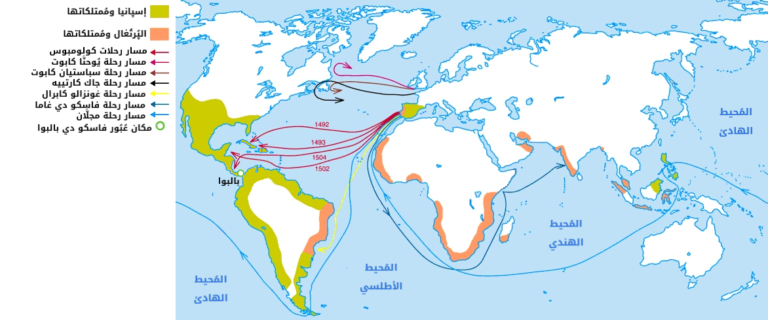 The Age of Discovery: Why Europe Sailed, Ottomans LaggedThe Age of Discovery ran from the early 1400s to the mid-1600s and was led by Portugal and Spain. The Ottomans fought hard in the Indian…8 min read · 13 sources
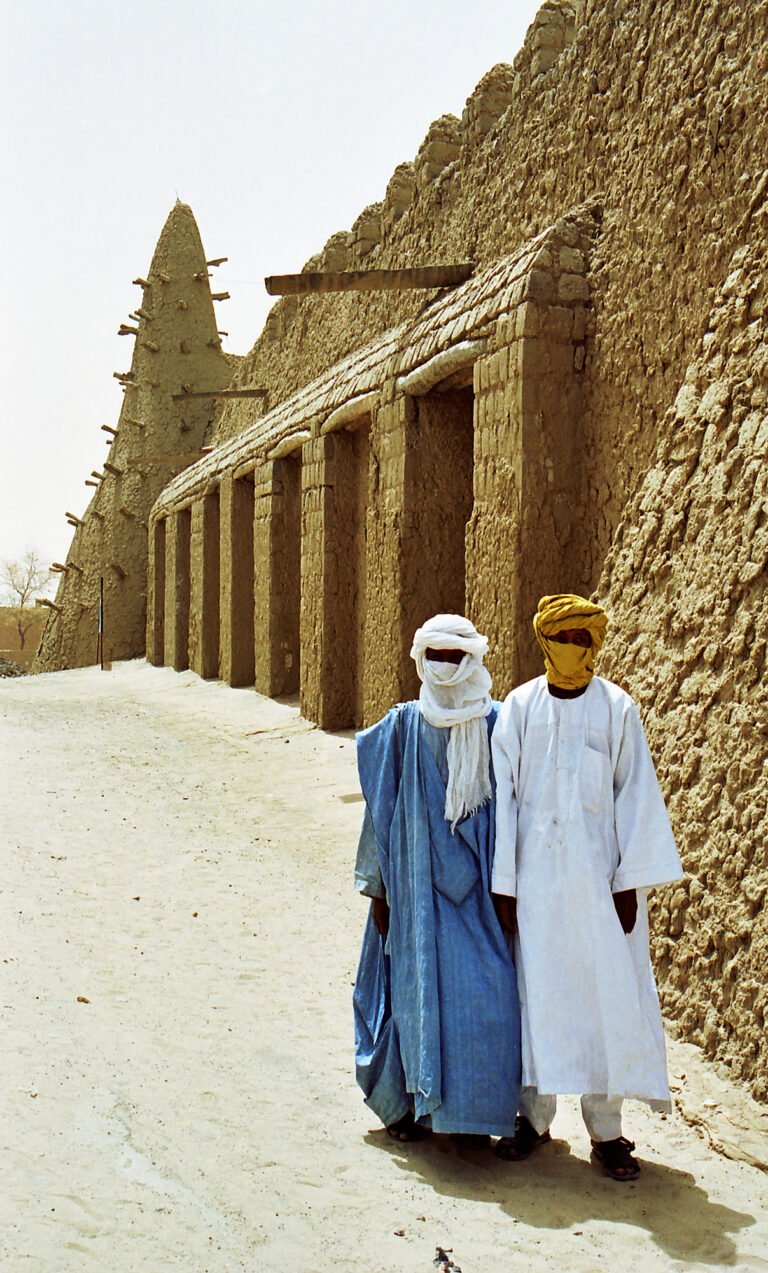 Where Is Timbuktu? Desert City of Manuscripts and LibrariesTimbuktu is a historic city in Mali, on the southern edge of the Sahara and about 20 kilometres north of the Niger River. It grew rich…7 min read · 10 sources
 Who Were the Samurai? The Truth About Bushido and SeppukuThe samurai rose from provincial warrior bands around the 10th century to become Japan's ruling military class, and later its bureaucrats. Bushido, the katana and seppuku…8 min read · 17 sources
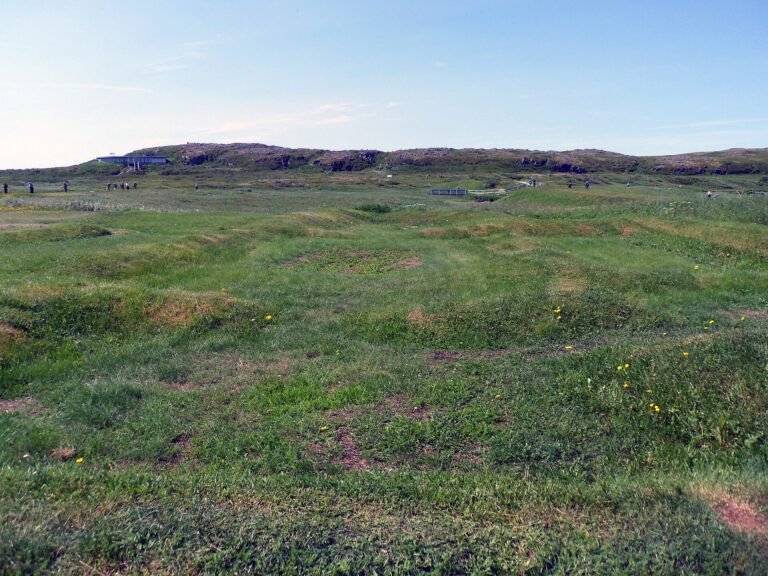 Did the Vikings Reach America 500 Years Before Columbus?Norse people were cutting wood at L'Anse aux Meadows in Newfoundland in the year 1021, which is 471 years before Columbus reached the Americas in 1492.…7 min read · 10 sources
 The Vasa: Why Sweden’s Warship Sank 20 Minutes Into Its VoyageThe Vasa, a 64-gun warship ordered by King Gustav II Adolf, sank in Stockholm Harbour on 10 August 1628 on its first voyage. It was raised…7 min read · 10 sources
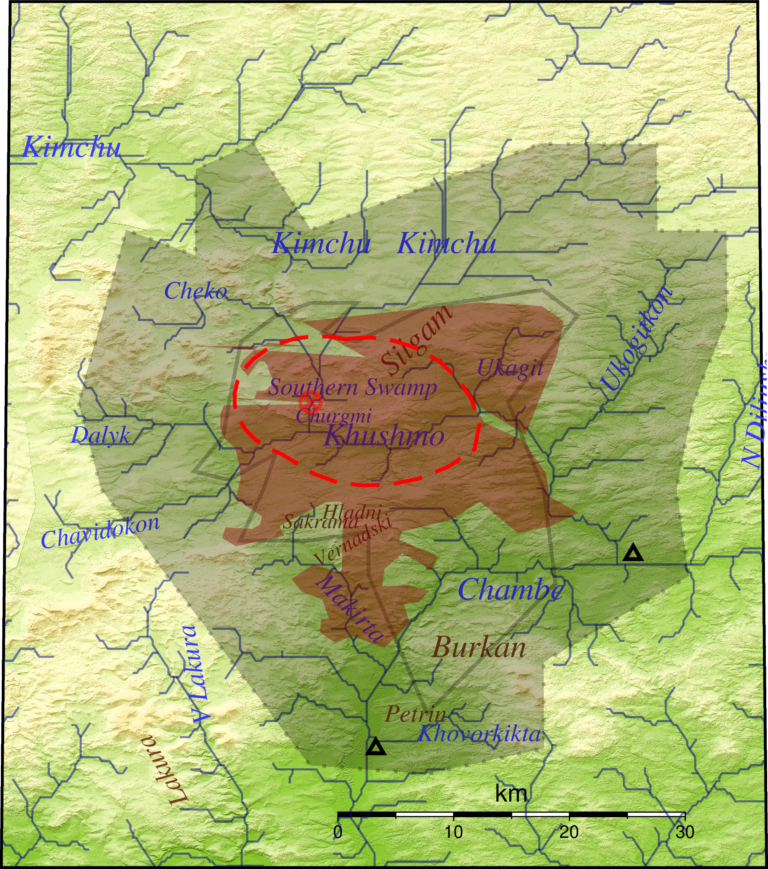 The Tunguska Event: What Flattened 80 Million Trees in 1908?On the morning of 30 June 1908, an atmospheric explosion over Siberia flattened a butterfly-shaped patch of forest of about 2,150 square kilometres. The most widely…7 min read · 11 sources
 The Moai of Easter Island: How Were They Moved?The moai are stone figures of ancestors, carved mostly from volcanic tuff at Rano Raraku and moved to ceremonial platforms around Rapa Nui. The islanders did…8 min read · 13 sources
 Sitting Bull and Little Bighorn: How Custer’s Army Was Wiped OutCuster's detachment of about 210 men was destroyed at Little Bighorn on 25 June 1876 by Lakota, Northern Cheyenne and Arapaho warriors. Sitting Bull led the…8 min read · 13 sources
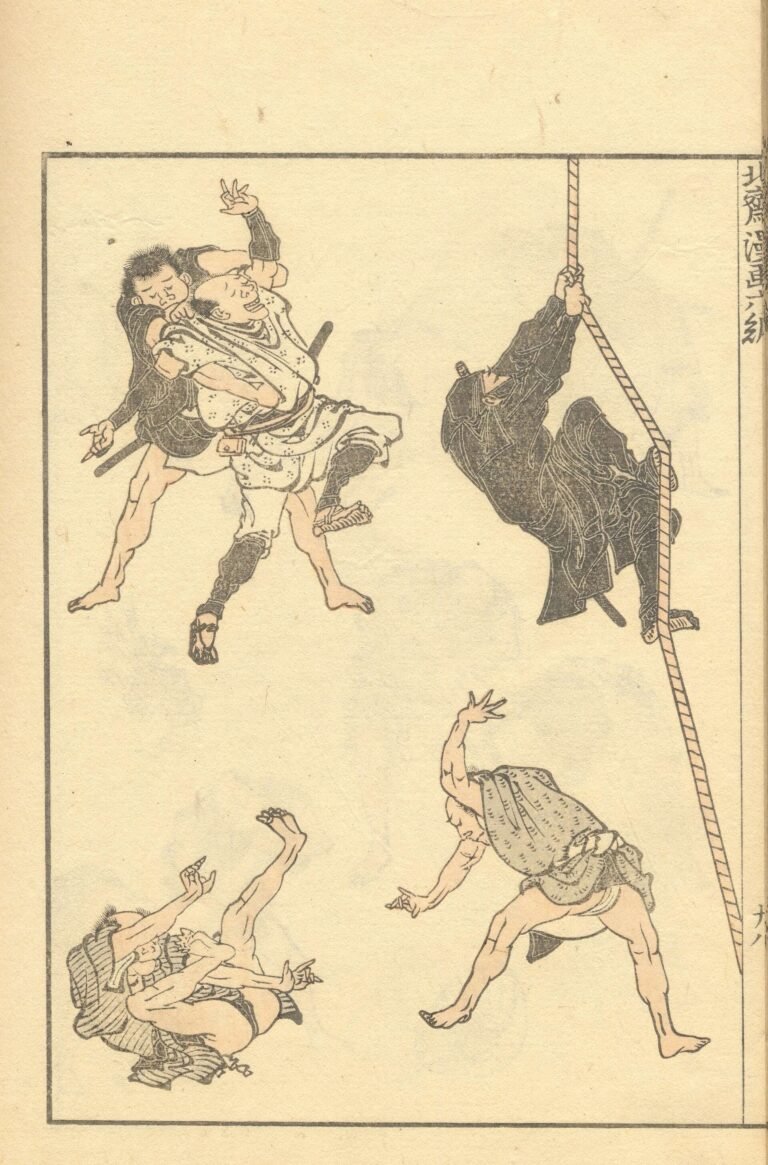 Did Ninjas Really Exist? The Black-Costume Myth and IgaNinjas, usually called shinobi in the records, were real agents who gathered intelligence, infiltrated enemy ground and carried out sabotage. The all-black outfit is a later…8 min read · 10 sources
 Nader Shah: Conqueror Who Looted India, Took Peacock ThroneNader Shah, an Afshar Turkmen commander, became shah of Iran in 1736 and defeated the Mughals at Karnal in 1739. He ordered the Delhi massacre, took…6 min read · 9 sources
 House of Medici: Florence’s Banking Dynasty ExplainedThe Medici came from the Mugello hills north of Florence and built a fortune on wool and banking. They turned that money into power in Florence,…8 min read · 14 sources
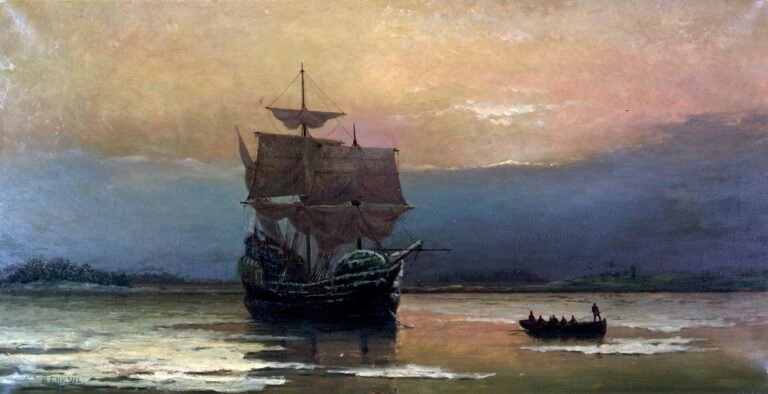 The Mayflower and the First Thanksgiving: What Really HappenedThe Mayflower carried 102 passengers across the Atlantic in 1620 to found Plymouth on the site of Patuxet, a Wampanoag village emptied by epidemics. This article…9 min read · 17 sources
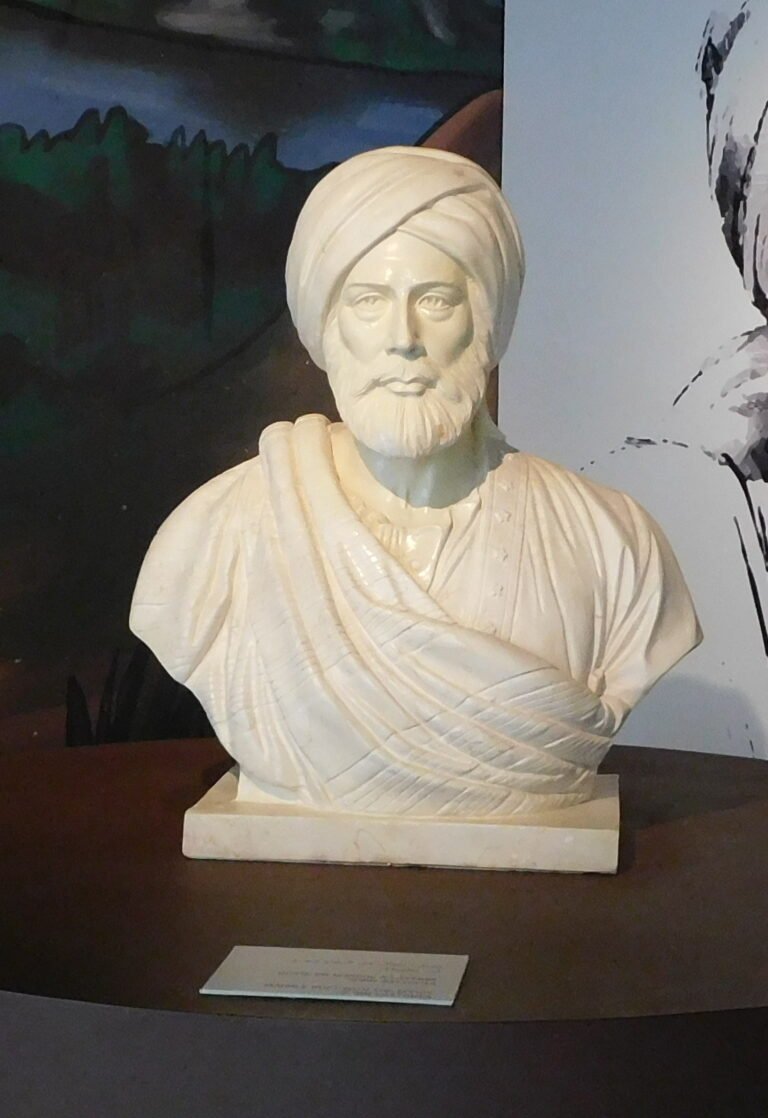 Ibn Battuta: What the Moroccan Traveller Saw in 120,000 kmIbn Battuta left Tangier in 1325 for the pilgrimage and kept travelling for about 29 years, covering roughly 120,700 km. His Rihla records Anatolian lodges, the…7 min read · 12 sources
 Did King Arthur Really Exist? Excalibur, Camelot, Round TableNo source written in Arthur's own lifetime names him, and most modern historians of the period reject him as a historical person. Excalibur, Camelot and the…7 min read · 13 sources
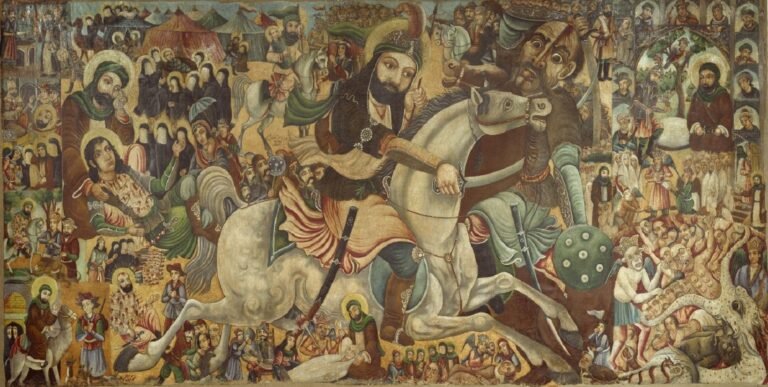 Karbala in 680: Why Husayn Was Killed and Muharram MourningThe Battle of Karbala was fought on 10 Muharram 61 (10 October 680) in present-day Iraq. Husayn, grandson of the Prophet Muhammad, refused to pledge loyalty…7 min read · 10 sources
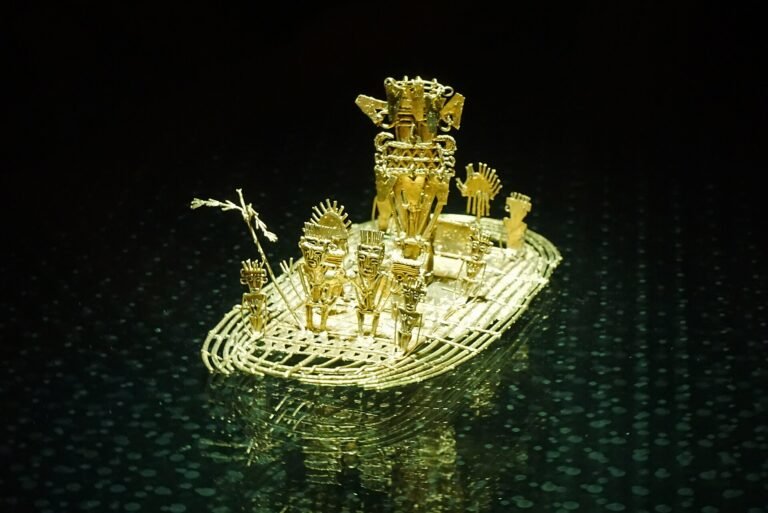 El Dorado: Where the Legend of the Golden City Came FromEl Dorado started as a story about a Muisca ruler covered in gold dust in Colombia. Europeans turned it into a hunt for a golden city,…6 min read · 9 sources
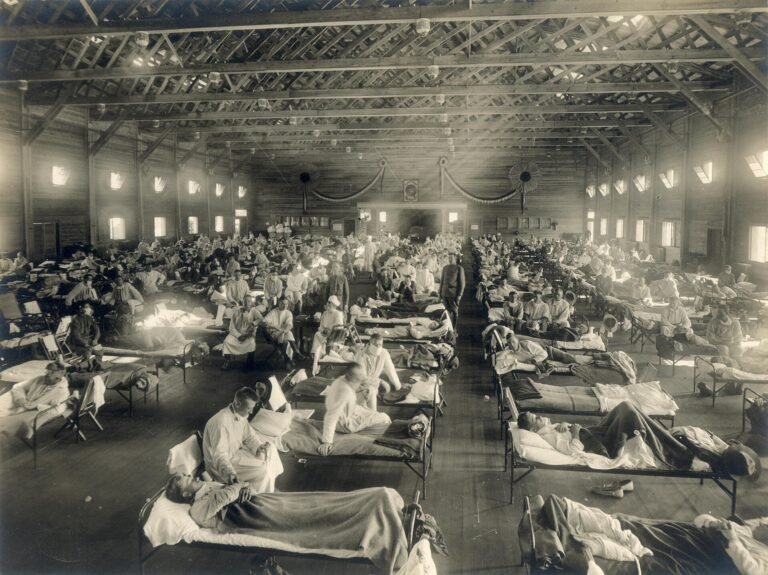 Spanish Flu 1918: Origin, Death Toll and Why It Was ForgottenThe 1918 Spanish flu was an H1N1 influenza pandemic that infected about 500 million people, and the widely quoted 50 million death toll is an estimate,…7 min read · 13 sources
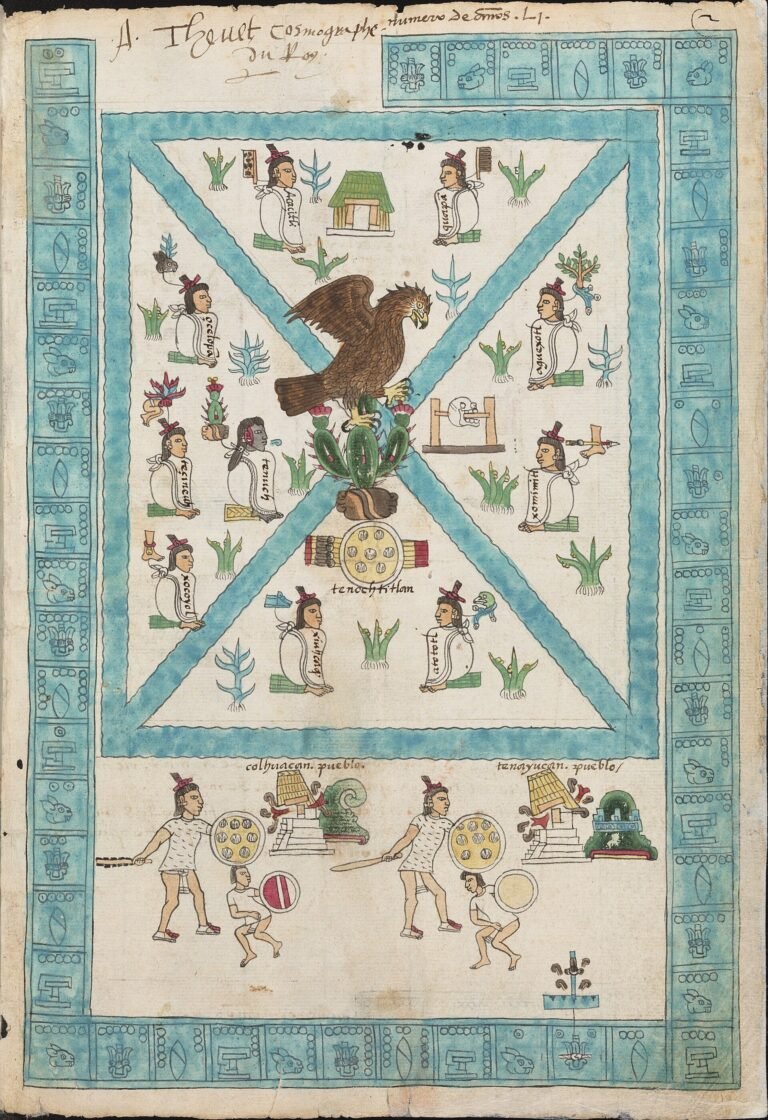 The Aztecs: Tenochtitlan, Sacrifice and the Fall of an EmpireThe Aztecs, who called themselves Mexica, built the island capital Tenochtitlan and an empire from the Triple Alliance of 1428. Archaeology confirms human sacrifice, but the…7 min read · 16 sources
 Where Did America Get Its Name? Amerigo Vespucci ExplainedAmerica's name comes from Amerigo Vespucci, a Florentine merchant and navigator. Mapmakers Martin Waldseemüller and Matthias Ringmann proposed it in 1507, and Vespucci himself had no…8 min read · 9 sources
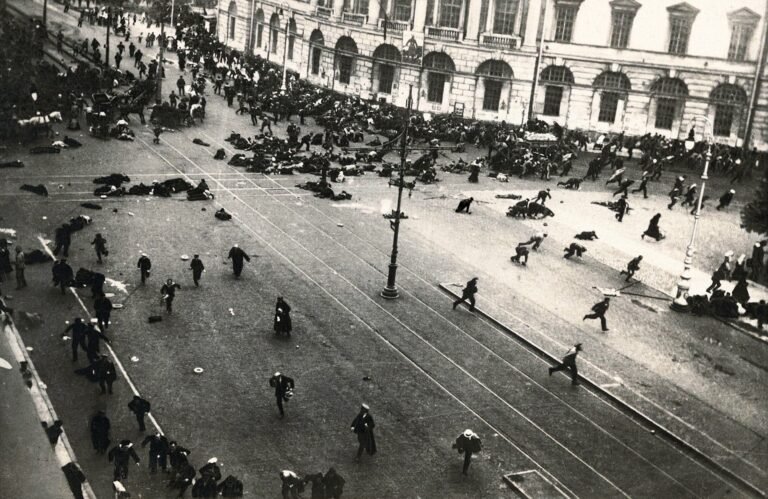 The October Revolution of 1917: How the Tsar Fell and Lenin Took PowerThe October Revolution of 1917 was the Bolshevik uprising in Petrograd that overthrew the Provisional Government under Vladimir Lenin's leadership. The Tsar had already abdicated in…8 min read · 11 sources
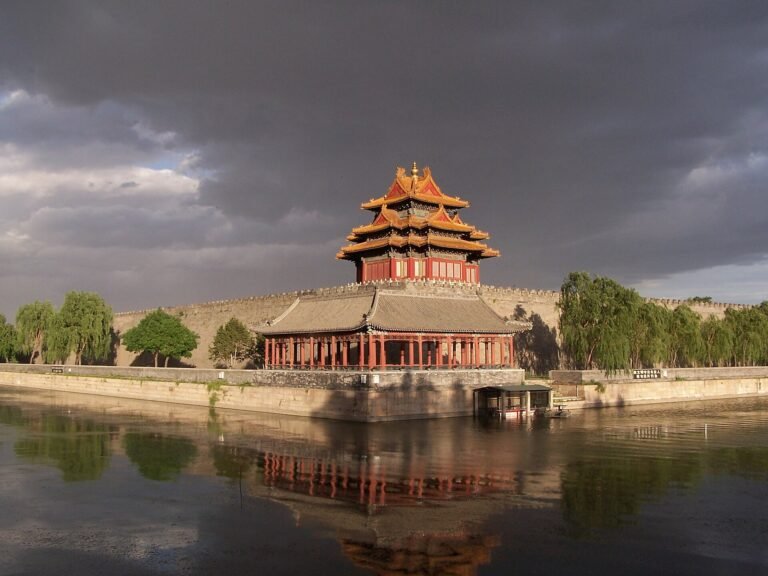 The Forbidden City: How Emperors Lived in Beijing’s PalaceThe Forbidden City in Beijing was built between 1406 and 1420 and housed 24 Ming and Qing emperors. This article follows their daily routines, meals and…6 min read · 8 sources
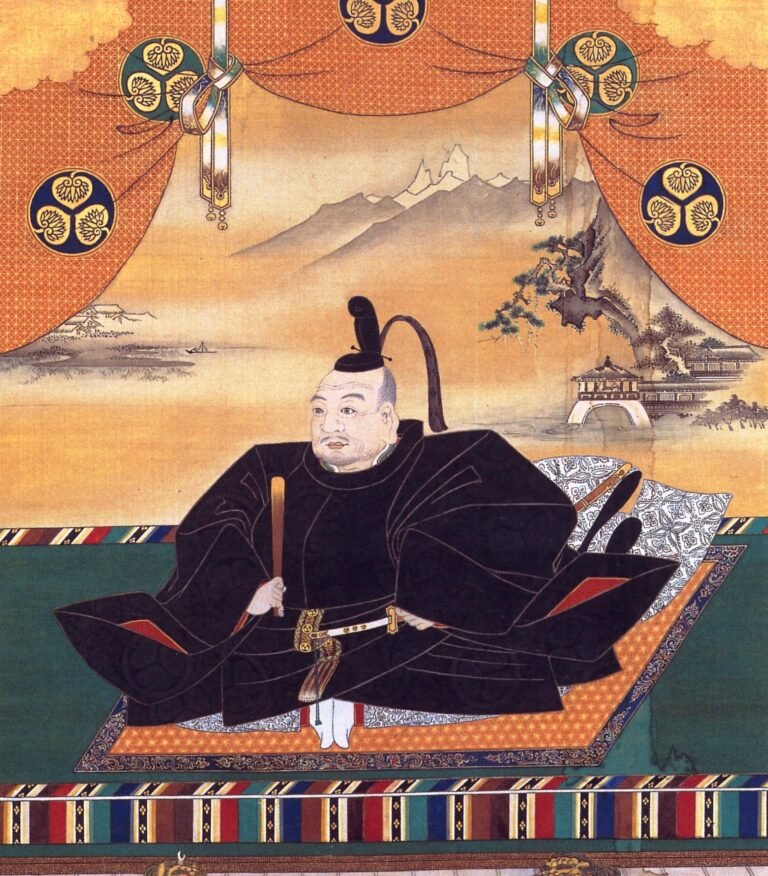 Tokugawa Ieyasu and William Adams: True History of ShōgunTokugawa Ieyasu won at Sekigahara in 1600, became shogun in 1603 and kept power after handing the title to his son. The English pilot William Adams…8 min read · 17 sources
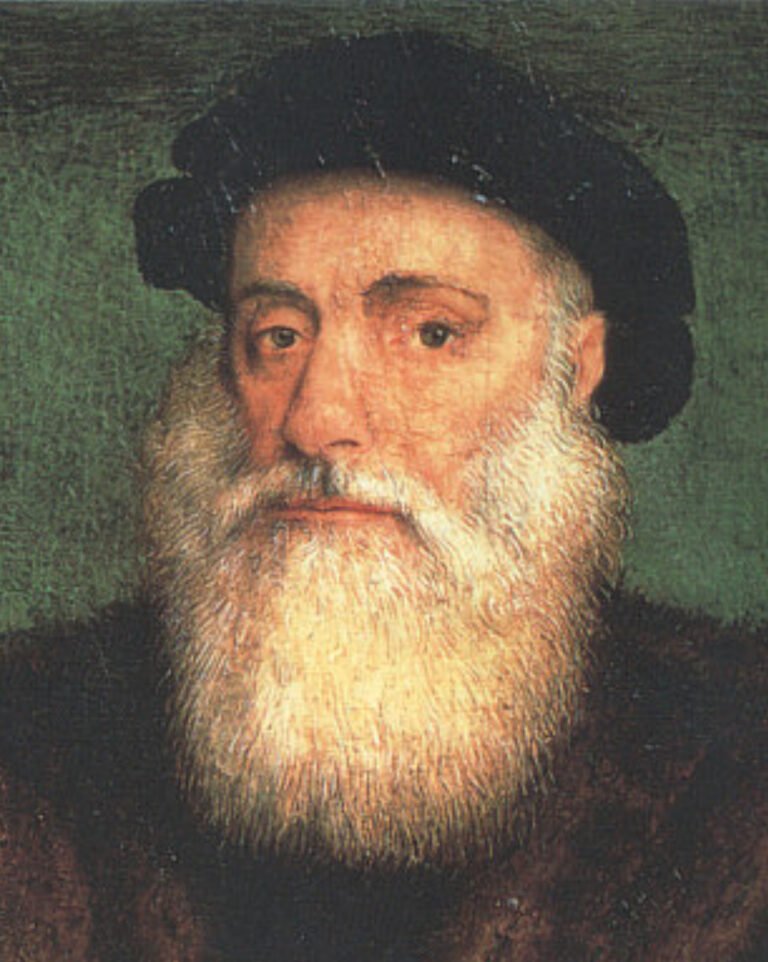 Vasco da Gama: Cape Route to India and the OttomansVasco da Gama led the first European fleet to reach India by sea, arriving in 1498, though Bartolomeu Dias had rounded the Cape ten years earlier.…6 min read · 9 sources
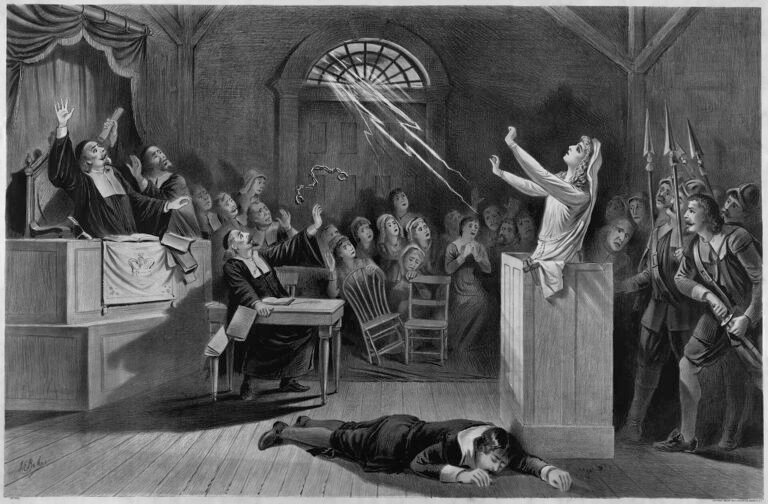 The Salem Witch Trials of 1692: Why 20 People Were ExecutedIn 1692 and 1693, Massachusetts courts tried more than 200 accused people for witchcraft, and 19 were hanged. Giles Corey was pressed to death with stones,…8 min read · 13 sources
 Knights Templar History: Why the Bankers Were BurnedThe Knights Templar began as protectors of Christian pilgrims in Jerusalem and grew into a network that also held the money of kings. After the arrests…8 min read · 12 sources
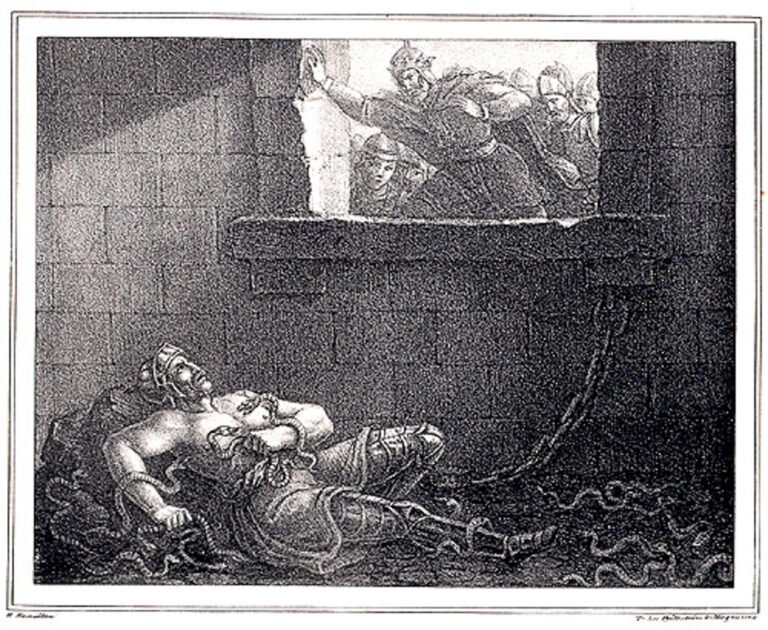 Was Ragnar Lothbrok Real? Sagas, Sons and the Great ArmyRagnar Lothbrok appears in sagas and poems, but no one can prove he lived as a single man with the life those texts describe. The Great…7 min read · 12 sources
 Notre-Dame Cathedral: How It Rose Again After the 2019 FireNotre-Dame de Paris, begun in 1163, lost its timber roof frame, its spire and part of its stone vaults on 15 April 2019. After years of…8 min read · 15 sources
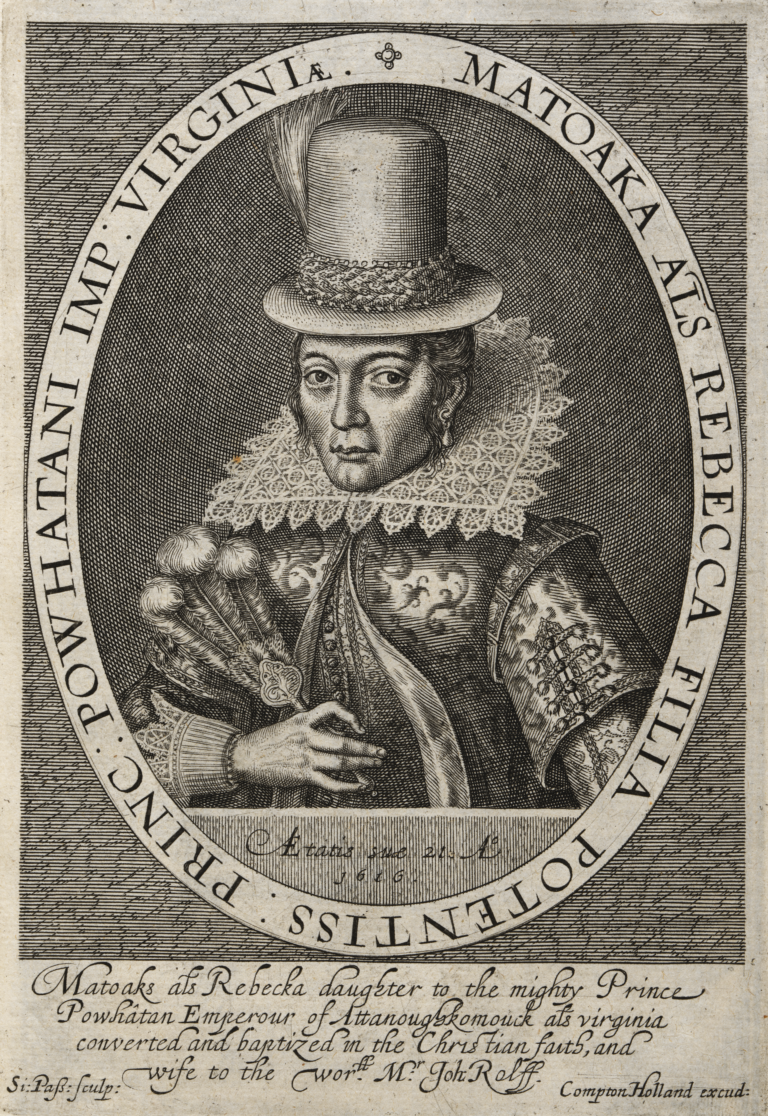 The Real Story of Pocahontas: Kidnapping, Marriage, DeathPocahontas was a Powhatan girl of about 11 when the English settled Jamestown. The English kidnapped her in 1613, she married John Rolfe in 1614, and…6 min read · 8 sources
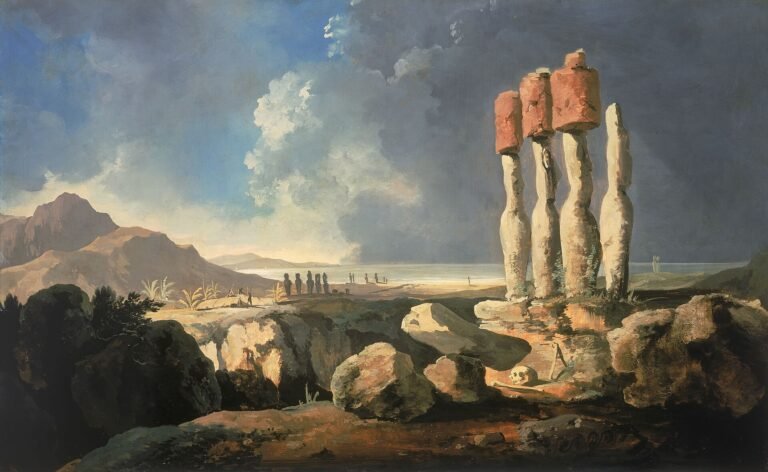 The Moai of Easter Island: How Were the Giant Heads Moved?The moai of Easter Island were carved mostly at Rano Raraku and moved along a road network of about 32 kilometres. Researchers still disagree over whether…7 min read · 14 sources
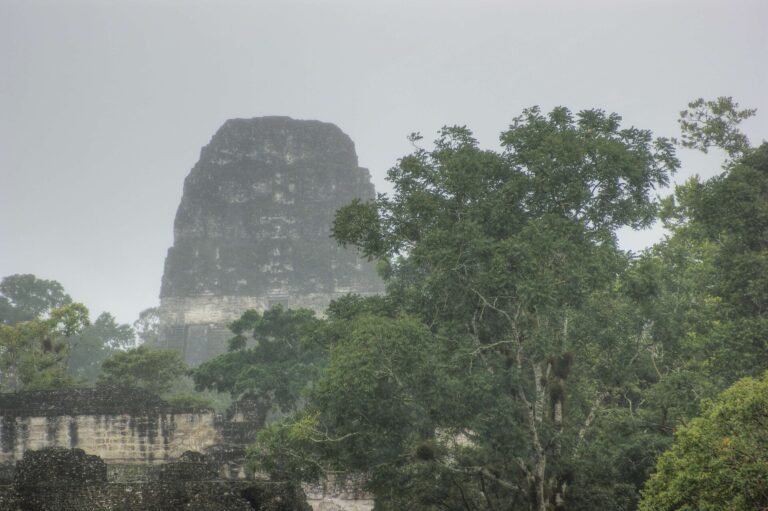 Why Did the Maya Civilization Collapse? Evidence ExplainedThe Maya collapse was a political breakdown in the central Maya region in the 9th century, not the end of the Maya people. Lake sediments and…9 min read · 15 sources
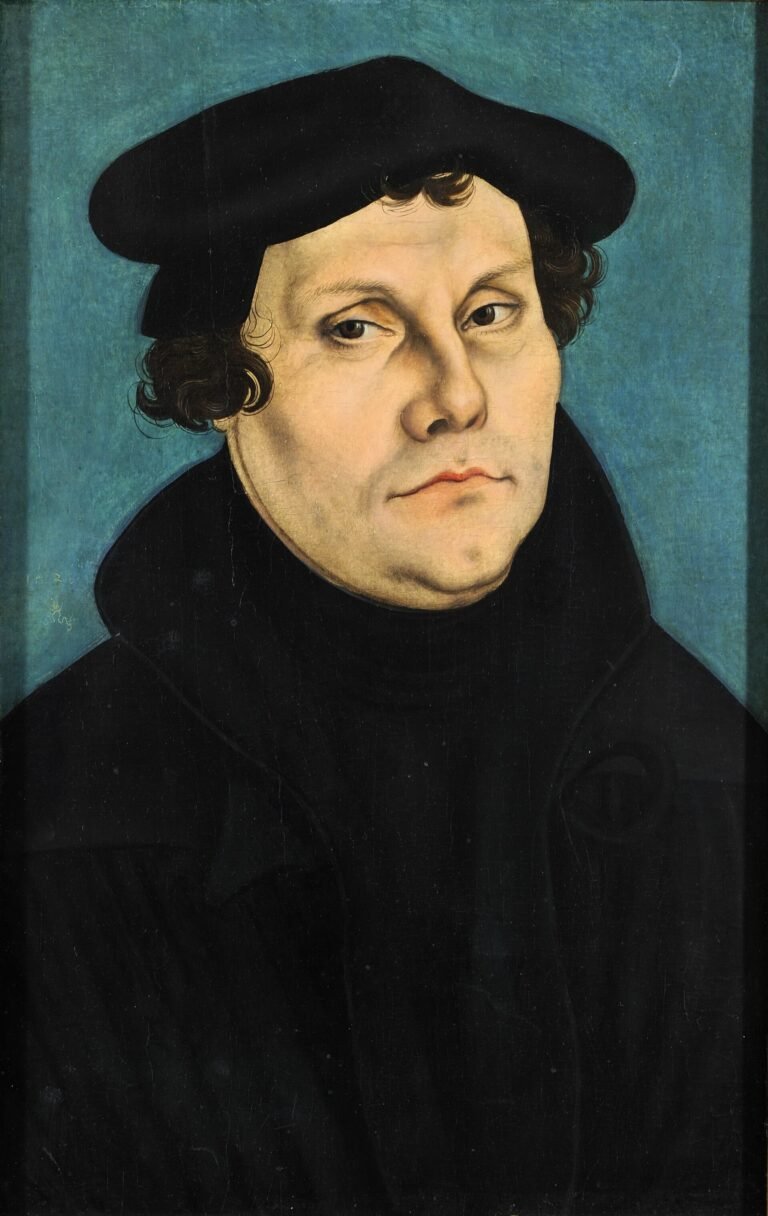 Martin Luther and the 95 Theses: How a Monk Split EuropeIn 1517 Martin Luther sent 95 Latin theses on indulgences to Archbishop Albrecht and called for a university debate in Wittenberg. Printing, excommunication, the Diet of…10 min read · 15 sources
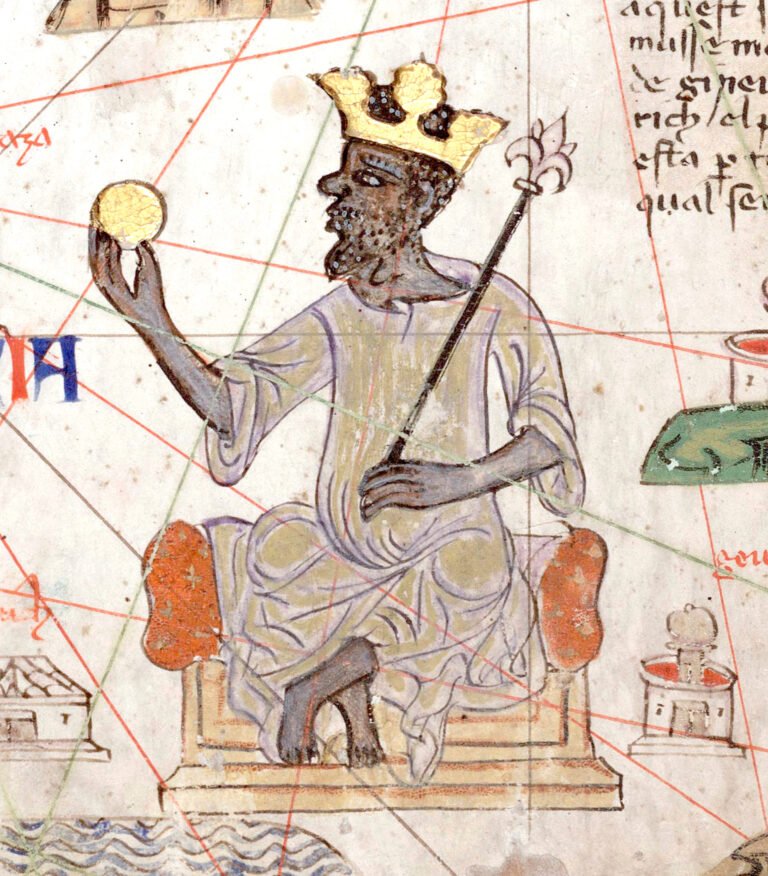 Mansa Musa: How the Richest Man Crashed Gold PricesMansa Musa ruled Mali from about 1312 and made his gold famous on his 1324–1325 pilgrimage to Mecca. Al-Umari says gold lost value in Cairo, but…7 min read · 9 sources
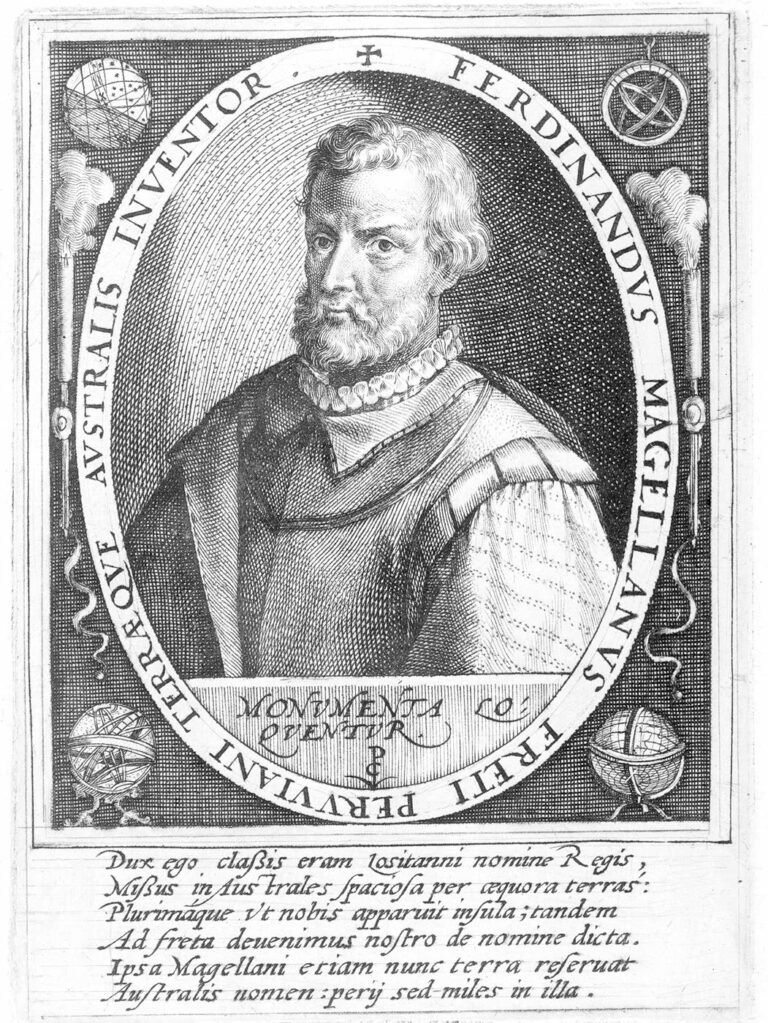 Did Magellan Circle the Globe? 18 Survivors and His DeathFerdinand Magellan started the first voyage around the world but was killed on Mactan Island in the Philippines on 27 April 1521. Juan Sebastián Elcano brought…8 min read · 13 sources
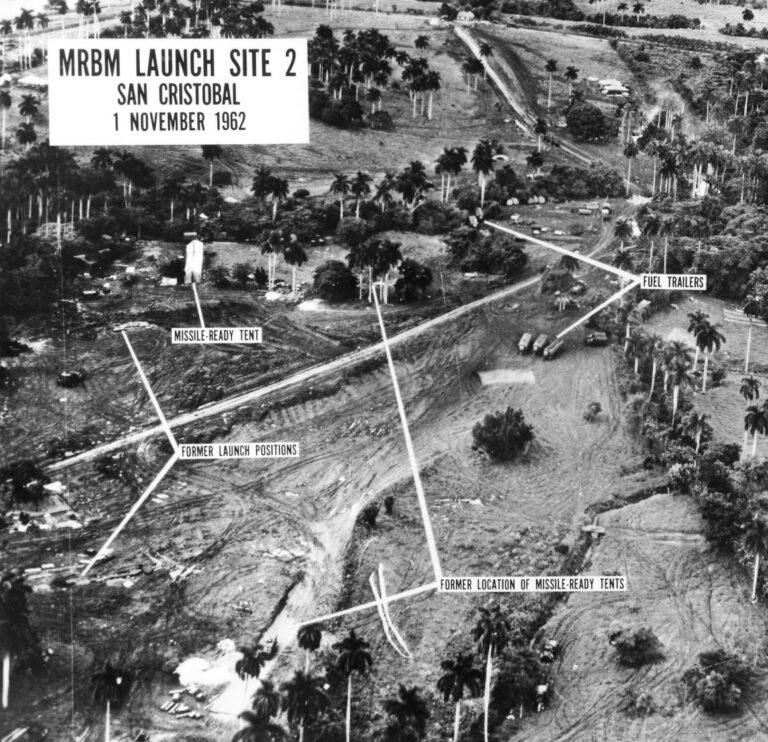 The Cuban Missile Crisis: 13 Days Near Nuclear WarIn October 1962, Soviet nuclear missiles in Cuba pushed the United States and the Soviet Union to the edge of direct conflict. The crisis ended with…8 min read · 17 sources
 Ivan the Terrible and His Son: Why ‘Terrible’?Ivan IV became Russia's first tsar in 1547. His nickname, Grozny, means fearsome and formidable, and it rests on the oprichnina and the 1570 Novgorod massacre.…6 min read · 10 sources
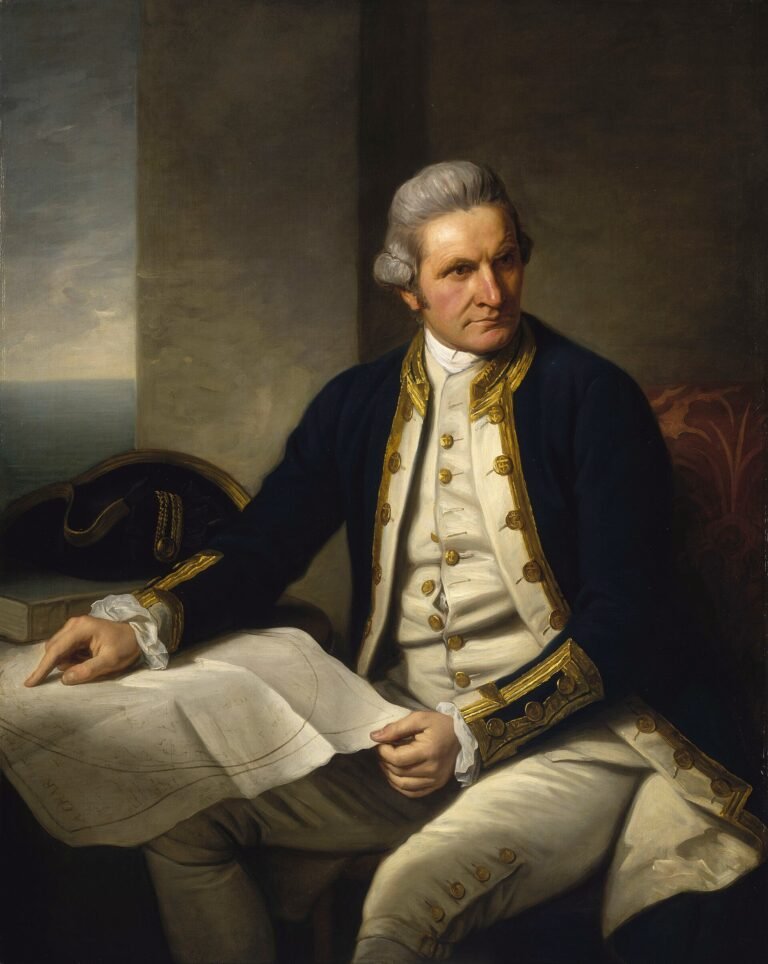 Captain James Cook: Why He Was Killed in Hawaii in 1779James Cook mapped Australia's east coast in 1770 and claimed it for Britain, though he was not the first European to reach the continent. On 14…7 min read · 14 sources
 Kievan Rus’: Shared Ancestor of Russia and Ukraine, 988Kievan Rus' was a medieval state ruled by the Rurik dynasty from the late 9th century to the mid-13th century. It is seen as the shared…8 min read · 11 sources
 The Lost Colony of Roanoke: What Happened to 115 People?In 1590 John White returned to Roanoke Island and found the settlement empty, with the word CROATOAN carved on a post. Four centuries later, the fate…8 min read · 15 sources
 Al-Andalus: 800 Years of Muslim Spain and the AlhambraAl-Andalus is the historical name for the parts of the Iberian Peninsula under Muslim rule between 711 and 1492. The article traces its dynasties from Córdoba…7 min read · 13 sources
 The Silk Road: How Trade From China to Istanbul WorkedThe Silk Road was not one road. It was a changing network of routes that linked China to Anatolia, Istanbul and several ports. Goods passed from…6 min read · 9 sources
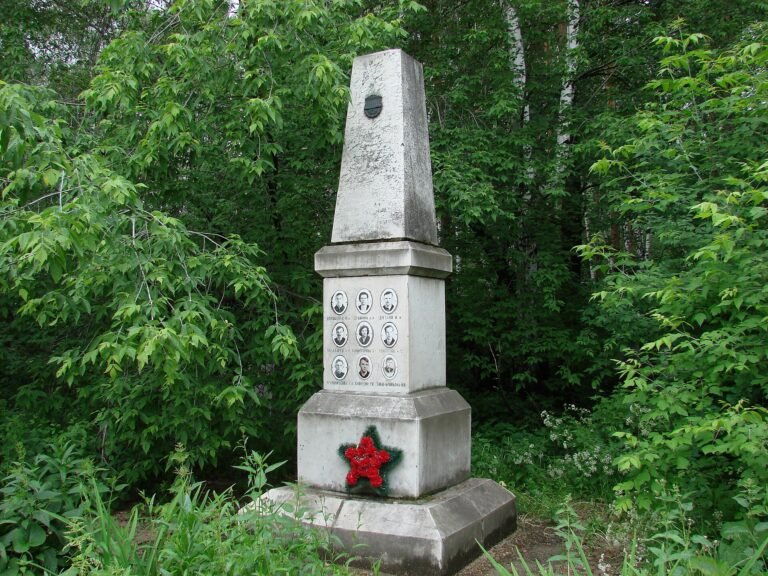 The Dyatlov Pass Incident: Has Science Solved It?Nine members of the Dyatlov group died on the night of 1–2 February 1959 in the Northern Urals. Russian prosecutors adopted an avalanche explanation in 2020,…7 min read · 10 sources
 The East India Company: How a Corporation Came to Rule IndiaThe East India Company was chartered in 1600 as a trading firm. Through royal privileges, local alliances, largely Indian armies and the right to collect revenue,…9 min read · 10 sources
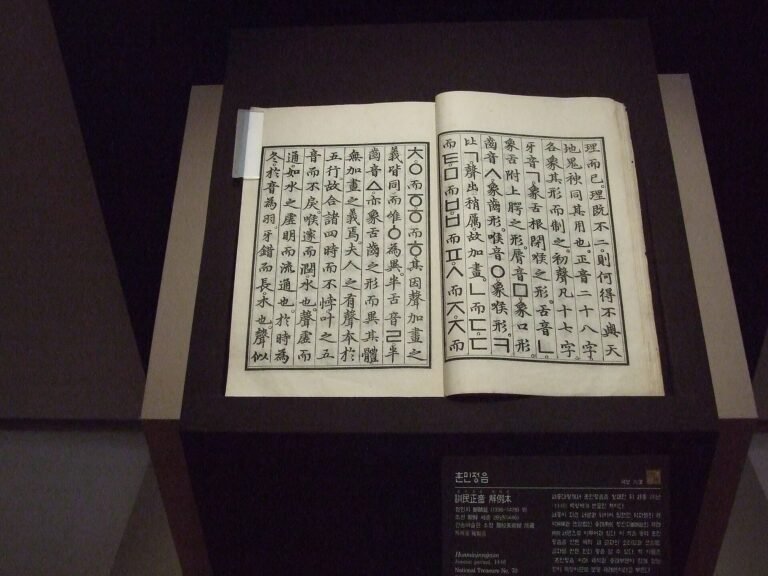 Hangul: Why and How King Sejong Invented the Korean AlphabetKing Sejong created Hangul so that ordinary people, who struggled with Chinese characters, could learn to write quickly. This article explains the 28 original letters, the…8 min read · 9 sources
 Why Was Galileo Put on Trial? Inquisition and the 1992 ApologyGalileo was convicted by the Roman Inquisition in 1633 for defending the Copernican view that the Earth moves and for breaking a 1616 order. In 1992…7 min read · 8 sources
 Peter the Great: The Tsar Who Toured Europe in DisguisePeter the Great joined a Grand Embassy to Europe in 1697 with his identity hidden, studied shipbuilding in Holland and England, and came home to rebuild…7 min read · 9 sources
 Babur: Descendant of Timur Who Founded the Mughal EmpireBabur was born in 1483 in Andijan and traced his ancestry to Timur on his father's side and to Genghis Khan on his mother's. After taking…7 min read · 10 sources
 The Taj Mahal: A Tomb Built for Love and the MythsThe Taj Mahal is the tomb Shah Jahan built in Agra for his wife Mumtaz Mahal. About 20,000 workers are said to have worked on it,…7 min read · 8 sources
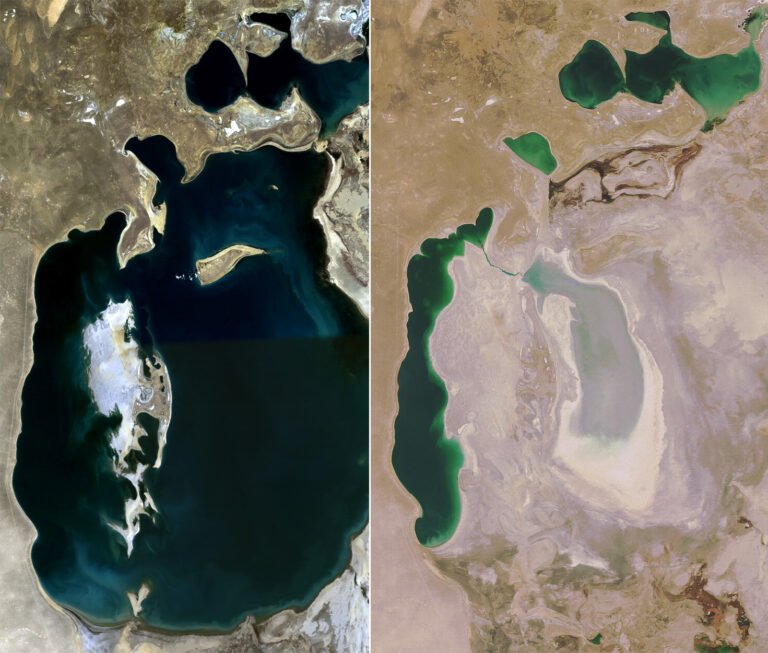 How the Aral Sea Dried Up: From 4th-Largest Lake to DesertAround 1960 the Aral Sea in Central Asia was the world's fourth-largest lake, covering about 68,000 km². Soviet irrigation drained its rivers, split the lake and…7 min read · 9 sources
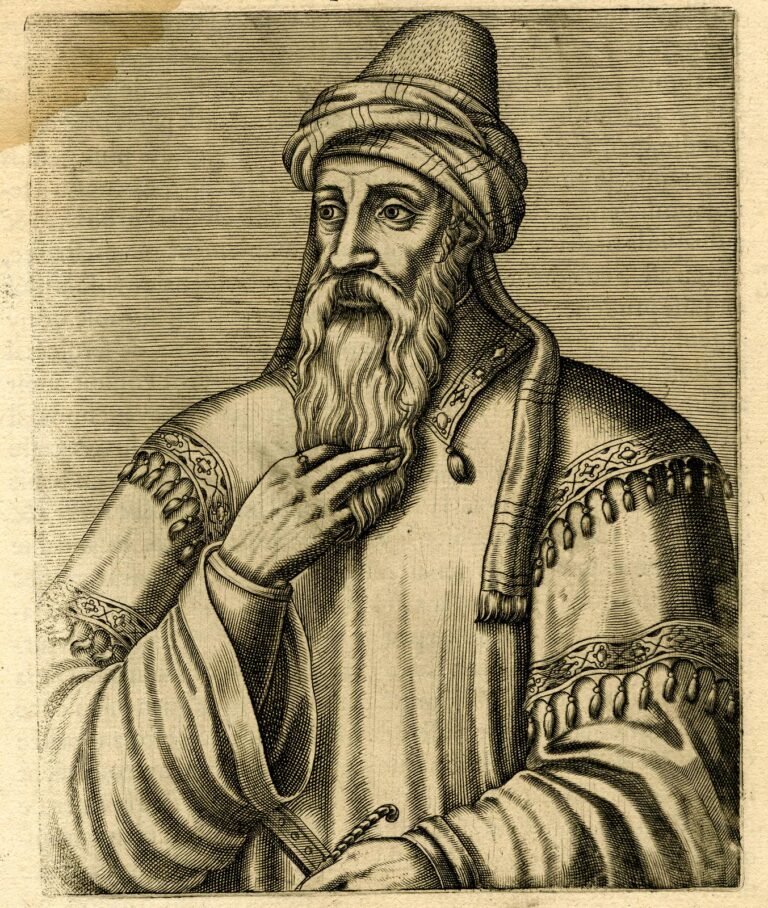 Saladin: Hattin Victory and the Capture of JerusalemSaladin, born in Tikrit around 1137–1138, founded the Ayyubid dynasty and beat the Crusader army at Hattin on 4 July 1187. He took Jerusalem on 2…6 min read · 6 sources
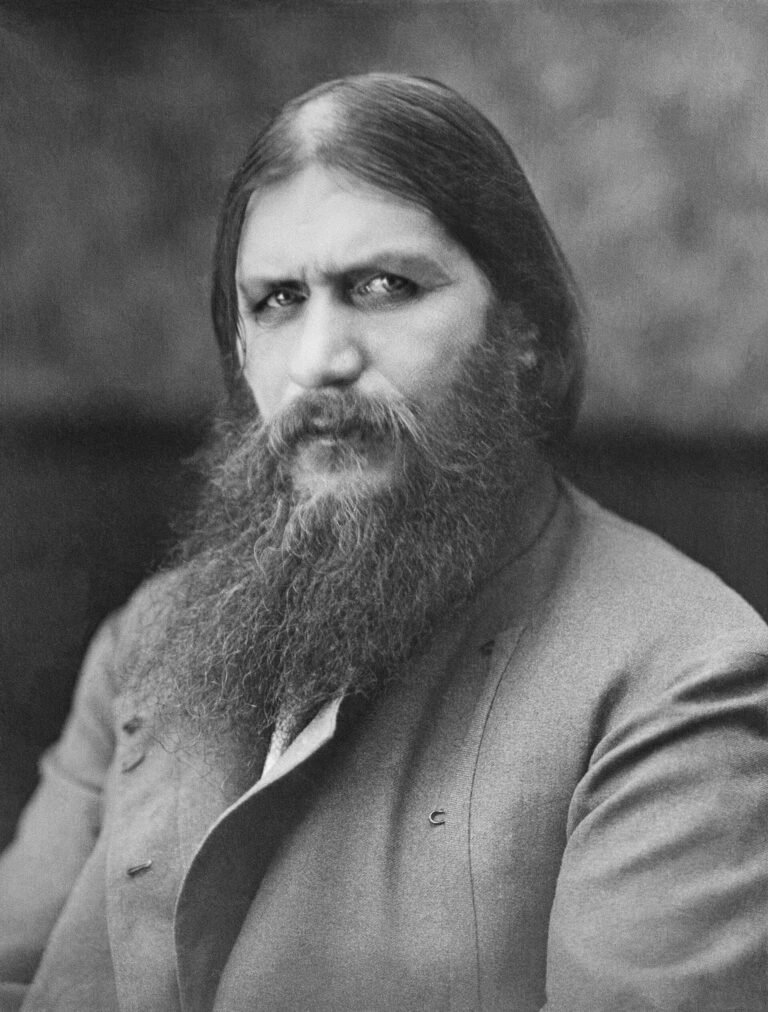 Who Was Rasputin? The Monk Poisoned, Shot and DrownedGrigori Rasputin was a Siberian farmer's son who gained the trust of Tsar Nicholas II and Tsarina Alexandra through his care for their sick son. Nobles…7 min read · 12 sources
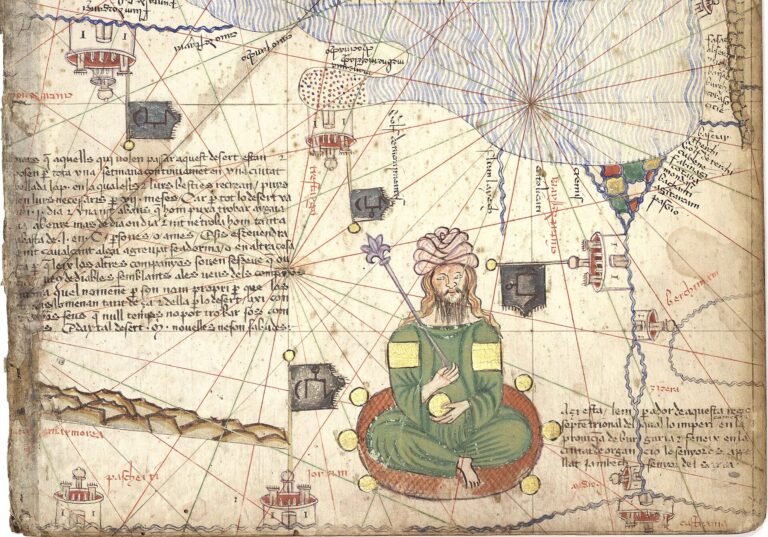 The Golden Horde: How a Mongol-Turkic State Taxed RussiaThe Golden Horde grew from the inheritance of Genghis Khan's son Jochi and tied the Rus principalities to itself through campaigns, tribute and charters. The famous…7 min read · 13 sources
 Attack on Pearl Harbor 1941: Why Japan Struck and LostJapan attacked the US Pacific Fleet at Pearl Harbor on 7 December 1941 to protect its conquests in Southeast Asia, after sanctions and a standoff over…8 min read · 18 sources
 Marie Curie: Two Nobel Prizes and Radioactive NotebooksMarie Curie was born in Warsaw and built her scientific career in Paris. She is the only person to win Nobel Prizes in two different sciences,…7 min read · 11 sources
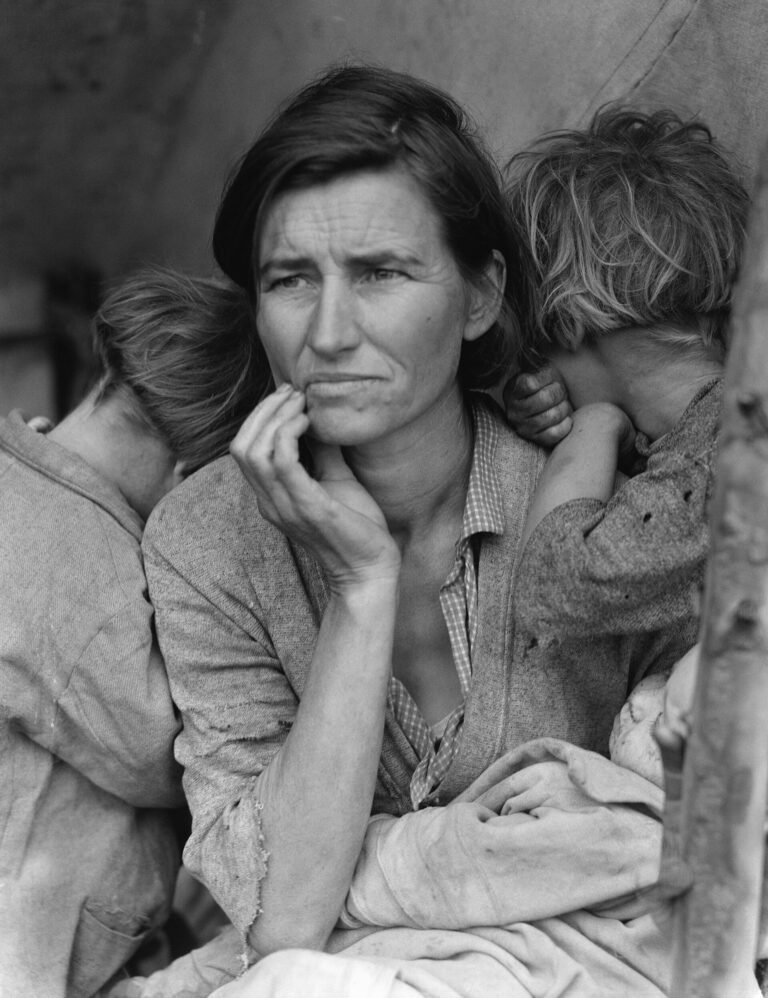 The Great Depression of 1929: Crash, Collapse and RecoveryThe Great Depression began with a US economic contraction in 1929, deepened through the stock market crash and waves of bank panics, and spread worldwide through…7 min read · 11 sources
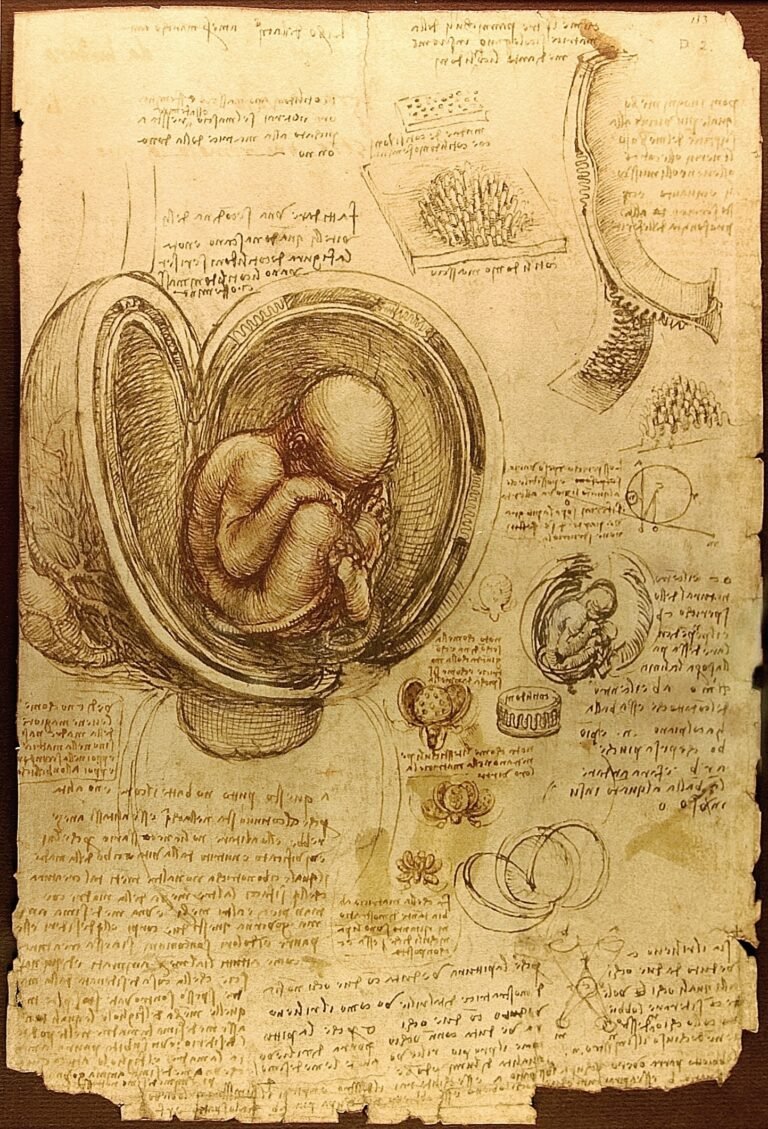 Who Was Leonardo da Vinci? Flight, Anatomy, NotebooksLeonardo da Vinci (1452–1519) was an Italian Renaissance artist who also studied engineering, flight and human anatomy. His notebooks, unfinished paintings and Milan's Last Supper show…8 min read · 17 sources
 Battle of Stalingrad: Dates, Map, Casualties and OutcomeThe Battle of Stalingrad was fought between Nazi Germany with its Axis allies and the Soviet Union for the city now called Volgograd. It ended on…8 min read · 8 sources
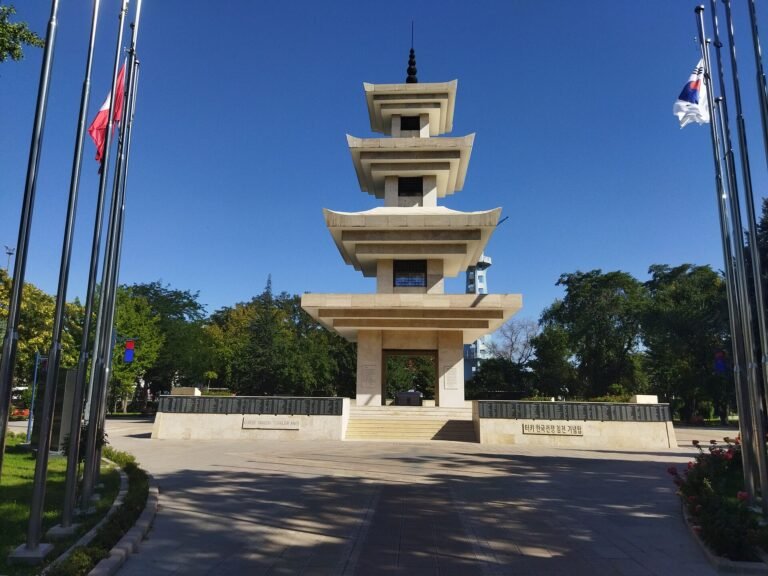 Korean War Turkish Brigade: Kunu-ri and Ayla’s True StoryThe Korean War began on 25 June 1950 and ended in an armistice on 27 July 1953. This article follows the Turkish Brigade to Kunu-ri in…8 min read · 14 sources
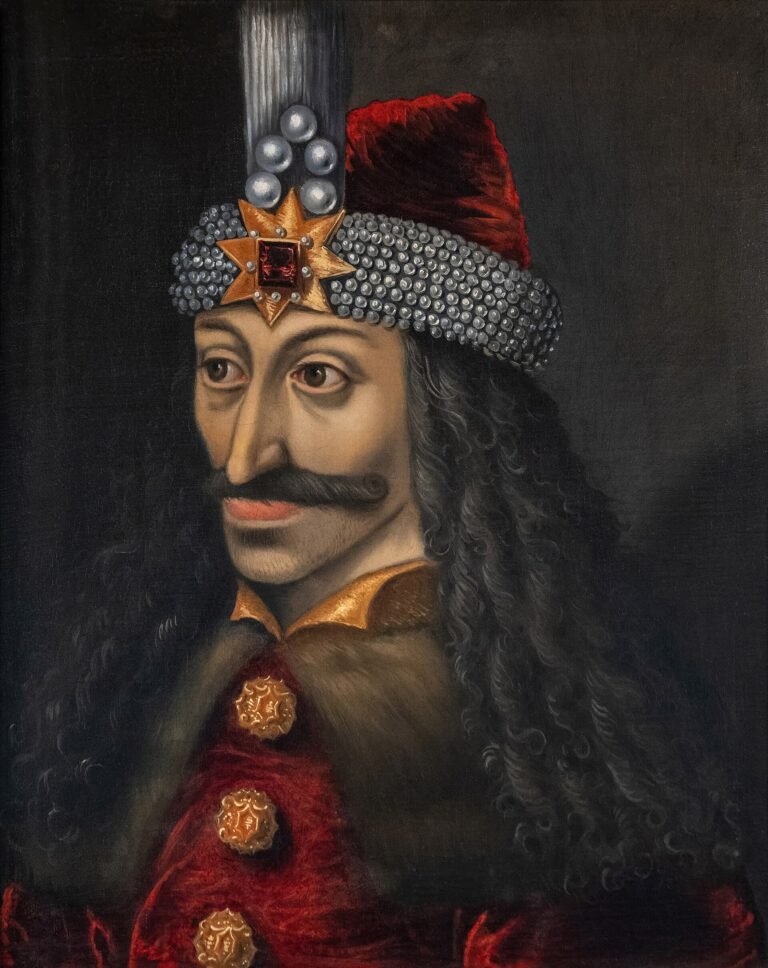 Vlad the Impaler: Dracula’s Prince and Ottoman HostageVlad III ruled Wallachia three times, was held hostage by the Ottomans as a boy, and became known for impalement. His link to Stoker's Dracula is…7 min read · 9 sources
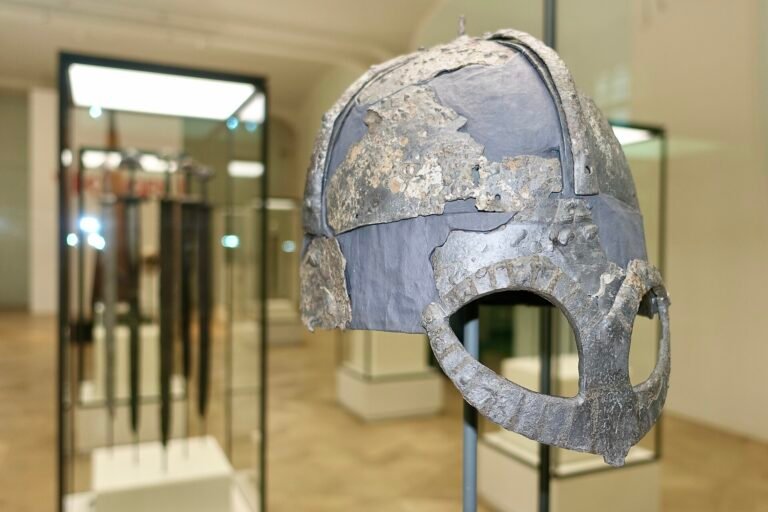 Who Were the Vikings? Horned Helmets and Reaching AmericaThe Vikings were Scandinavian farmers, traders and raiders who spread from Denmark, Norway and Sweden across Europe, Russia and the North Atlantic. Their horned helmets are…8 min read · 19 sources
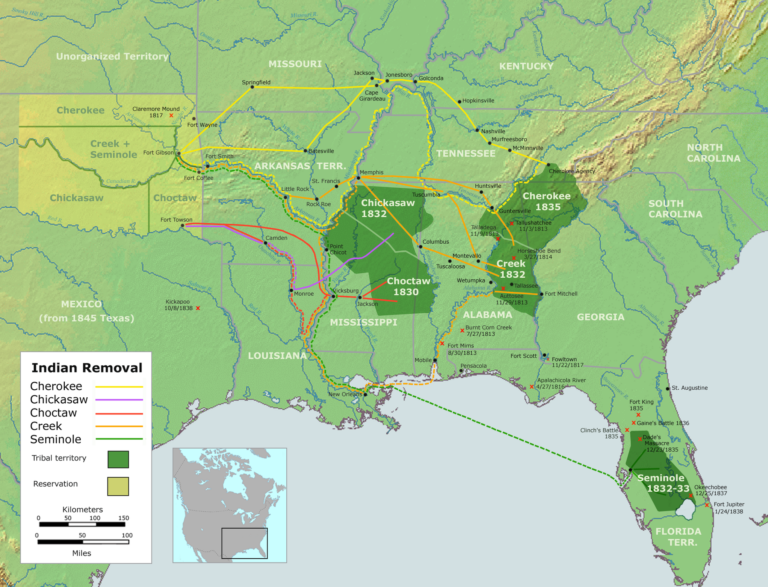 Trail of Tears: How the Cherokee Were Driven West in 1838In May 1838 troops under General Winfield Scott forced more than 16,000 Cherokee from their homes in Georgia, Tennessee, Alabama and North Carolina and marched them…8 min read · 15 sources
 Who Was Geronimo? How the Apache Warrior Evaded the US ArmyGeronimo was a Bedonkohe Apache war leader and healer who fought US and Mexican forces across Arizona, New Mexico, Sonora and Chihuahua before his final surrender…7 min read · 11 sources
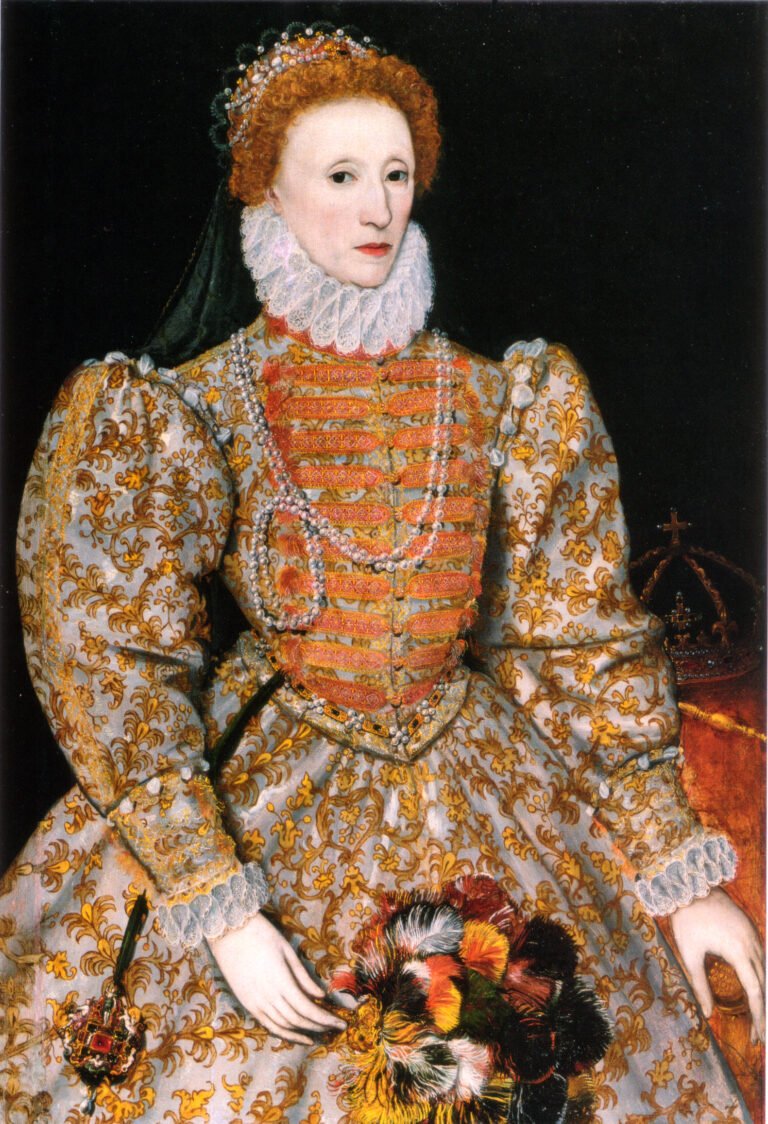 Elizabeth I: Why the Virgin Queen Never Married ExplainedElizabeth I ruled England and Ireland from 1558 to 1603 and died unmarried and childless, having turned her own marriage into a diplomatic bargaining tool. Her…8 min read · 10 sources
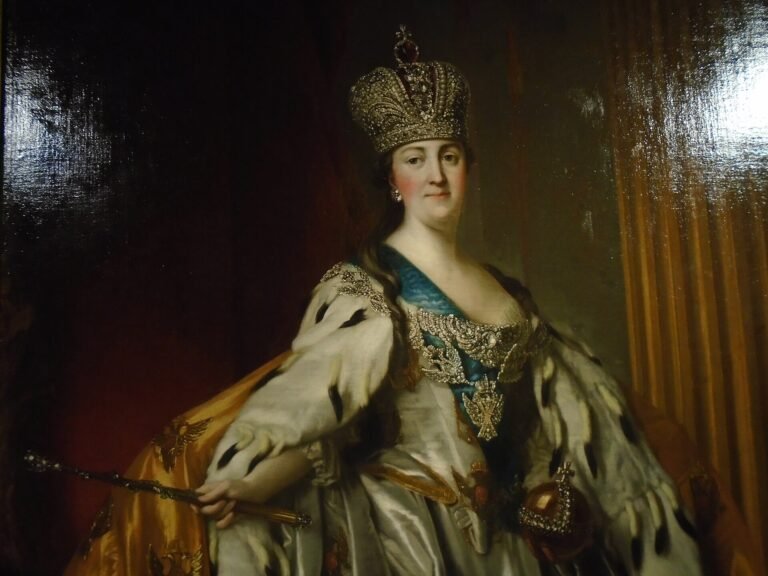 Catherine the Great: German Princess Who Ruled RussiaCatherine the Great was born Sophie in Stettin, married into the Russian dynasty and removed her husband Peter III in 1762. She then ruled for about…6 min read · 10 sources
 Amelia Earhart: How She Vanished Over the Pacific in 1937Amelia Earhart was the first woman to fly the Atlantic as a passenger in 1928 and the first to cross it solo and nonstop in 1932.…8 min read · 13 sources
 The Chernobyl Disaster: April 26, 1986 and How It Reached TurkeyOn 26 April 1986 a safety test at reactor No. 4 of the Chernobyl plant in Soviet Ukraine ended in the worst nuclear accident on the…9 min read · 15 sources
 Genghis Khan: Why the Conqueror’s Tomb Has Never Been FoundGenghis Khan founded the Mongol Empire in 1206 and died in August 1227, but no source records where he was buried or what his tomb looked…8 min read · 14 sources
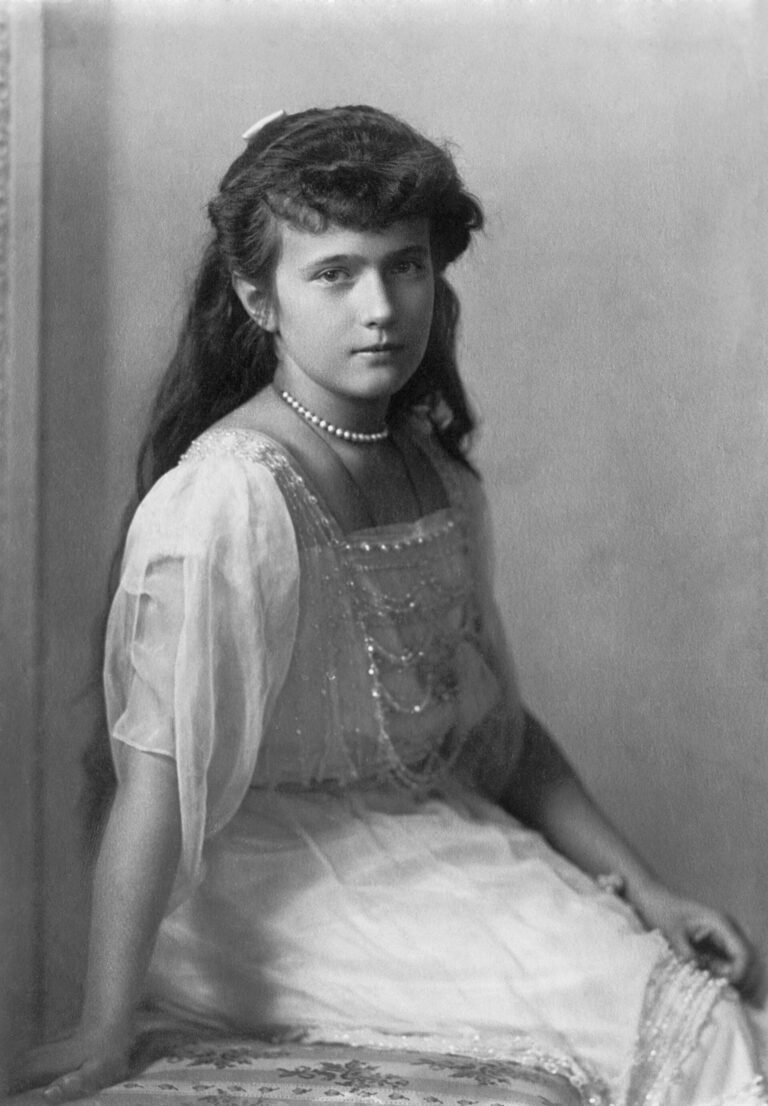 Did Anastasia Romanov Survive? The Tsar’s Daughter and the DNAGrand Duchess Anastasia Nikolaevna was shot with her family in Yekaterinburg on 17 July 1918, at the age of 17. DNA studies in 1994 and 2009…7 min read · 8 sources
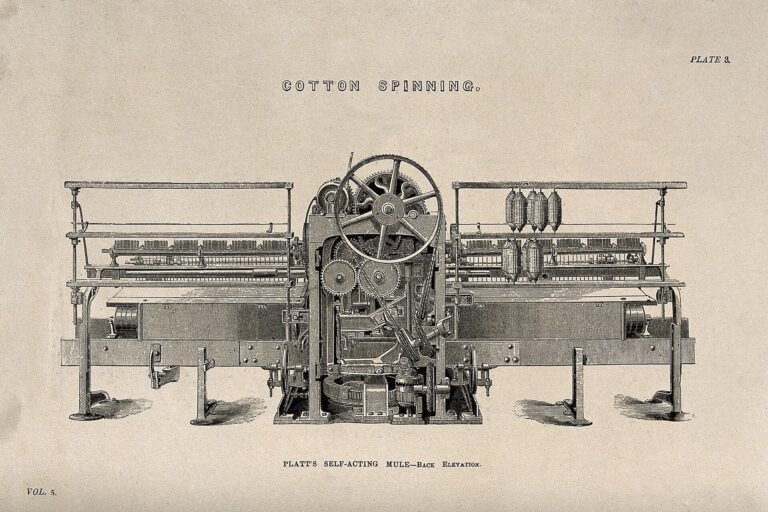 Why Did the Industrial Revolution Begin in Britain? Key FactsThe Industrial Revolution began in Great Britain around 1760 because coal, cheap iron, fast streams, canals, an existing textile trade and skilled ironworkers came together in…9 min read · 18 sources
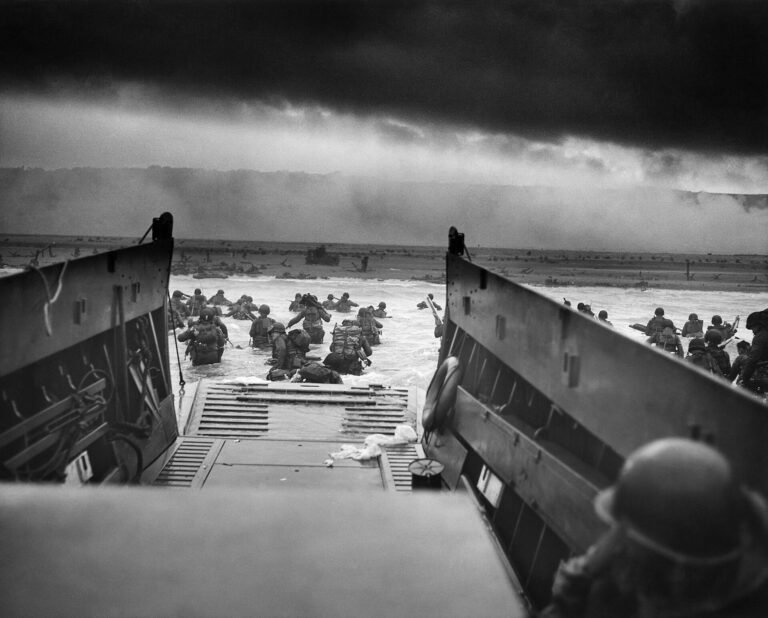 The Normandy Landings: How D-Day, June 6, 1944, UnfoldedOn 6 June 1944 the Allies landed by sea and air on five beaches in German-occupied Normandy after a one-day weather delay. About 156,000 soldiers reached…8 min read · 13 sources
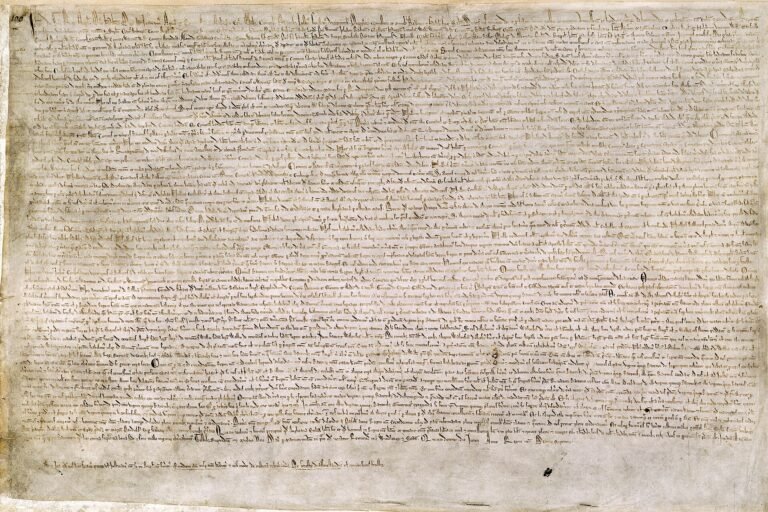 Magna Carta 1215: The First Document to Limit a King’s PowerMagna Carta is the charter of rights that King John of England accepted from rebel barons at Runnymede on 15 June 1215. This guide explains what…8 min read · 17 sources
 Machu Picchu: The Lost City of the Incas, ExplainedMachu Picchu is an Inca settlement at 2,430 metres in Peru's Cusco region, linked by a 2023 study to the estate of the ruler Pachacuti. This…8 min read · 19 sources
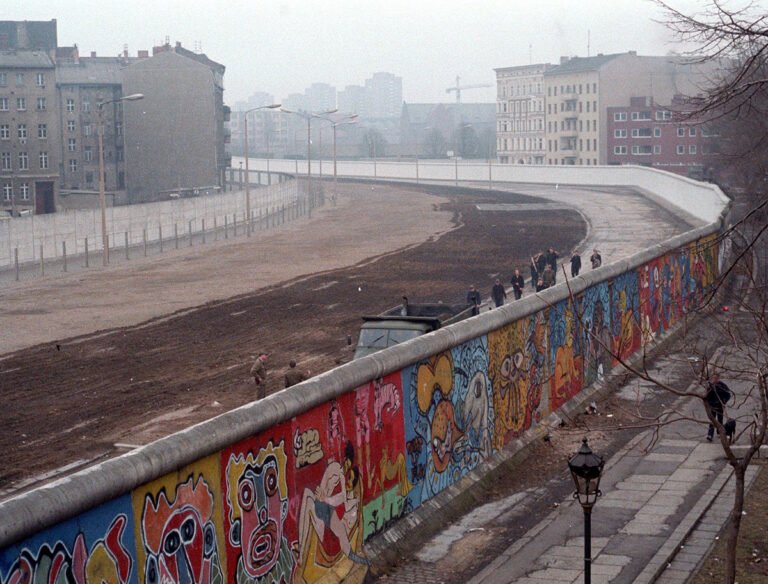 The Berlin Wall: Why It Was Built and How It Fell (1961–1989)East Germany began sealing off West Berlin on 13 August 1961 to stop the mass flight of its citizens, and the border grew into a 155-kilometre…7 min read · 14 sources
 The Bermuda Triangle: Are the Disappearances Really Unexplained?The Bermuda Triangle is a popular name for the sea between Miami, Bermuda and San Juan, with no official borders and no official map. Some losses…8 min read · 8 sources
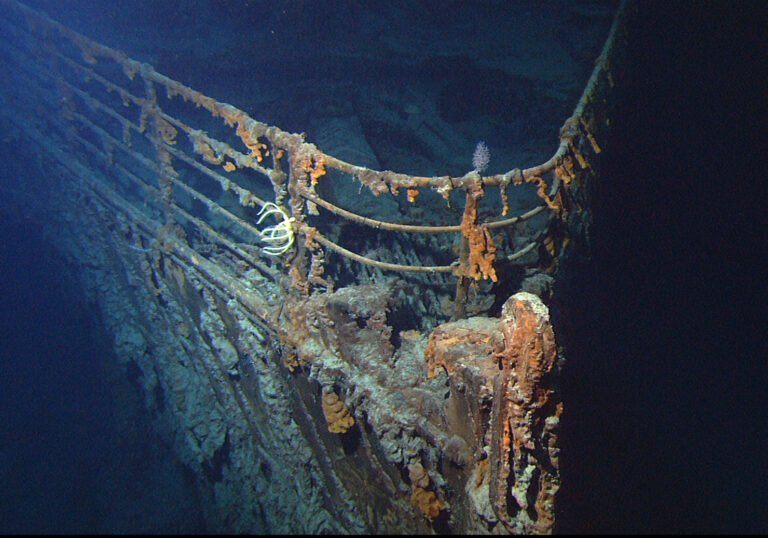 The Titanic Disaster: Why the ‘Unsinkable’ Ship SankTitanic sank on 15 April 1912 because the iceberg opened more watertight compartments than the hull was designed to survive, and water then spilled over the…7 min read · 14 sources
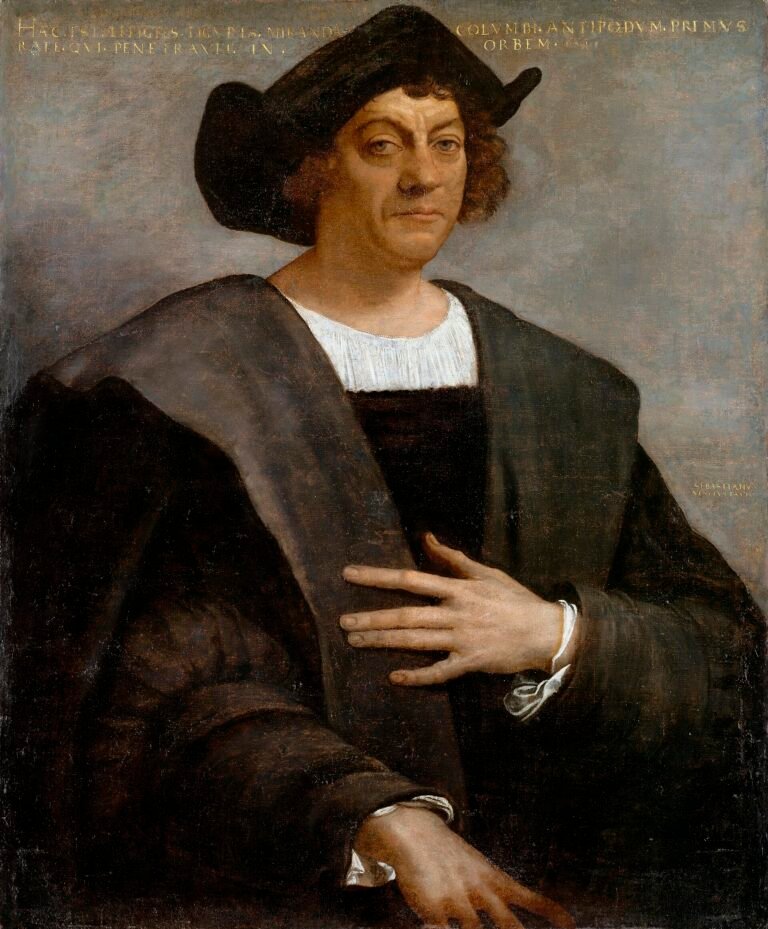 Did Columbus Really Discover America? What the Evidence SaysColumbus was neither the first person nor the first European to reach the Americas: human footprints at White Sands are about 21,000 to 23,000 years old,…9 min read · 13 sourcesThe Black Death: The Plague That Killed a Third of EuropeThe Black Death was a Yersinia pestis pandemic that struck Eurasia and North Africa between 1346 and 1353, and the famous one-third death toll is an…8 min read · 17 sources
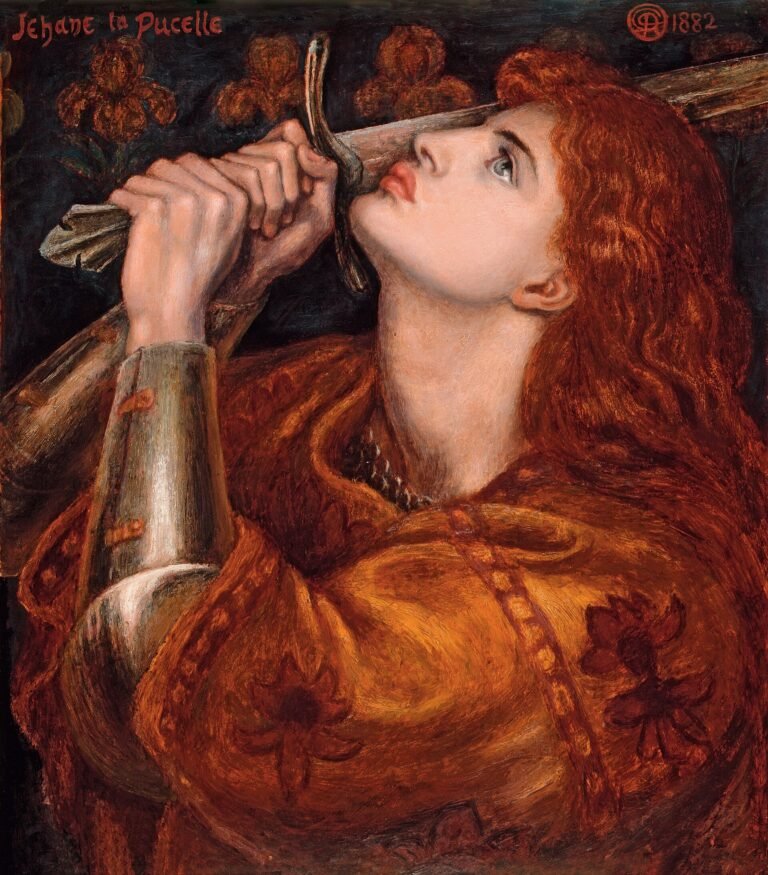 Joan of Arc: The Peasant Girl Burned at 19 in RouenJeanne d'Arc was born around 1412 to a farming family in Domrémy, took part in the campaign that lifted the siege of Orléans in 1429 and…6 min read · 14 sources
 Hiroshima and Nagasaki: Why Was the Atomic Bomb Dropped?The US government's stated reason for the atomic bombings of August 1945 was to force Japan's surrender, shorten the war and avoid the losses of an…9 min read · 15 sources
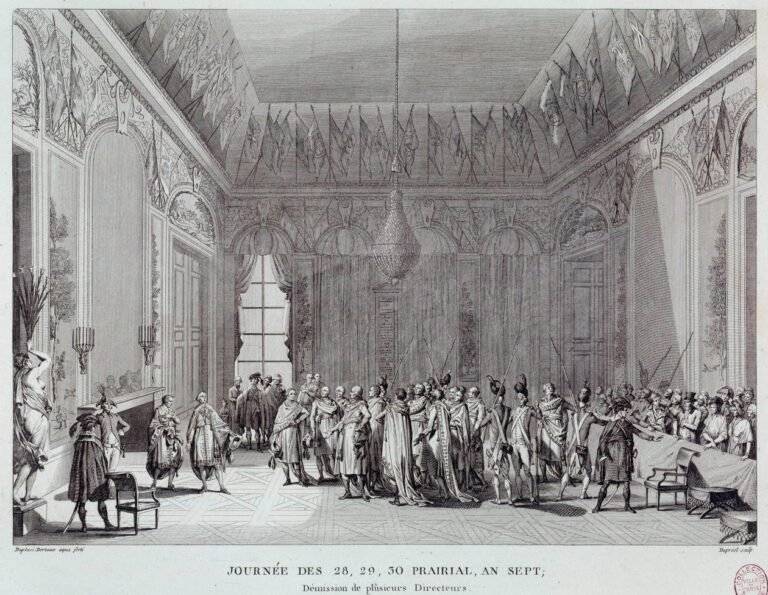 The French Revolution: From the Bastille to the GuillotineThe French Revolution ran from the opening of the Estates-General on 5 May 1789 to Napoleon's coup of 9 November 1799, and it turned an absolute…8 min read · 12 sources
 The Apollo 11 Moon Landing: Why the Conspiracy Theories Are WrongApollo 11 put Armstrong and Aldrin on the Moon on 20 July 1969 while Collins waited in orbit, and all three returned on 24 July. Independent…7 min read · 18 sources
 Napoleon: The Corsican Who Ruled France and Fell at WaterlooBorn in Ajaccio one year after Corsica became French, Napoleon rose from artillery officer at Toulon to emperor at Notre-Dame in 1804, and was first seriously…10 min read · 22 sources
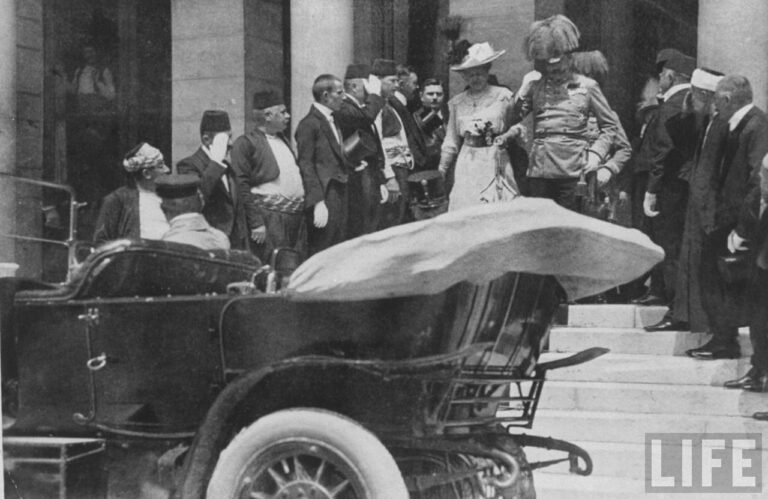 How Did World War I Begin? The Shot in Sarajevo ExplainedWorld War I began with a wrong turn beside the Latin Bridge in Sarajevo on 28 June 1914, when 19-year-old Gavrilo Princip shot Archduke Franz Ferdinand…12 min read · 18 sources