Saladin is remembered for two things: the crushing victory at Hattin and the recapture of Jerusalem in 1187. Both are true. The popular claim that he took the city without any bloodshed is only partly true. This article separates what the sources support from what the legend adds.
Who was Saladin?
Saladin (Selahaddin Eyyubi in Turkish) founded the Ayyubid dynasty. He was its first sultan, and he ruled Egypt and Syria. Sources describe him as a Sunni Muslim of Kurdish origin.
His personal name was Yusuf. “Salah ad-Din” is an honorific title. It means roughly “righteousness of the faith.” So when you say “Saladin,” you are using a title, not a given name. It works the way “Doctor” or “Captain” does in everyday life.
Where was Saladin born, and where is he from?
People search for both questions, and the answer is the same place. Saladin was born in Tikrit around 1137–1138. Tikrit lies within the borders of today’s Iraq. His father, Najm ad-Din Ayyub, was the governor of Tikrit when he was born.
So “where is he from” has two layers. His birthplace was Tikrit. His ethnic background was Kurdish. His later power base was Egypt and Syria.
From Egypt to Damascus: how he rose
Saladin did not begin as a sultan. He joined his uncle Shirkuh on the Egyptian campaigns of 1164, 1167 and 1169. Then things moved fast.
On 26 March 1169, the Fatimid caliph al-Adid appointed him vizier. He received the title al-Malik al-Nasir. In 1171, Saladin ended the Fatimid caliphate in Egypt.
On 12 October 1174, he left Cairo for Damascus with 700 horsemen. That ride began his expansion of power in Syria. Egypt and Syria were now in one hand. That combination is what later made the campaign against the Crusaders possible.
Saladin vs Baldwin: the defeat at Montgisard
Saladin did not win every fight. On 25 November 1177, the forces of King Baldwin IV of Jerusalem defeated him at Montgisard. The battle shows that the Crusader kingdom was a real military power in those years.
So the matchup “Saladin vs Baldwin” has a clear result in that single battle: Baldwin’s side won. Ten years later, the king of Jerusalem was Guy de Lusignan, and the result was very different.
The Battle of Hattin, 4 July 1187
Hattin is the battle that made Saladin’s name. On 4 July 1187, his army defeated the army of Guy de Lusignan, King of Jerusalem. The defeat was heavy.
The Fordham University collection of medieval sources gives the lead-up. On 2 July 1187, Saladin attacked Tiberias. The Crusader army then marched out to relieve the town.
That march ended badly for the Crusaders. According to the same account, they ran short of water. During the night they came under arrow fire, and the scrub around them was set on fire. Thirst, smoke and arrows did much of the work before the main fighting even started.
Among the prisoners were King Guy de Lusignan and Raynald of Châtillon (Renaud de Châtillon). Losing the king alongside his army left the kingdom badly exposed.
How Saladin took Jerusalem
Saladin began the siege of Jerusalem on 20 September 1187. After about 12 days, Balian of Ibelin surrendered the city to him on 2 October 1187. This ended 88 years of Crusader rule, which had begun in 1099.
The surrender was negotiated. The agreement gave the Frankish residents 40 days to pay their ransoms and leave. If you have ever had to leave a country before a visa deadline, you know the logic: pay what is owed, and leave within the window.
Here is the correction that matters. The idea that Jerusalem fell without any blood is too neat. A siege with fighting came first. And some residents who could not pay their ransom were enslaved. “No massacre” is a fair description of the surrender itself. “No violence” is not a fair description of the whole episode.
Saladin also allowed Jews to resettle in the city after he took it in 1187.
Saladin vs Richard: the Third Crusade
The loss of Jerusalem pushed European rulers to organize the Third Crusade, which ran from 1189 to 1192. Saladin did not win every battle in it. On 7 September 1191, his army was defeated at Arsuf by the forces of King Richard I of England.
Still, the war ended with Jerusalem in Saladin’s hands. The Treaty of Jaffa in 1192 recognized Crusader control of the coast between Tyre and Jaffa. It also allowed Christian pilgrims to visit Jerusalem. The fighting of the Third Crusade ended there.
Saladin and the Cairo Citadel
If you are heading to Egypt, you can see his building project. Saladin began construction of the Cairo Citadel in 1176, on the Mokattam hills. The Egyptian Ministry of Tourism and Antiquities lists it as one of the country’s archaeological sites.
He did not live to see it finished. The fortress was completed later, under Sultan al-Kamil. The Cairo Governorate makes the same point on its page about the Citadel of Salah el-Din.
Timeline
- About 1137–1138: Born in Tikrit.
- 1164–1169: Joins his uncle Shirkuh’s Egyptian campaigns.
- 26 March 1169: Becomes vizier of the Fatimid caliph.
- 1171: Ends the Fatimid caliphate in Egypt.
- 1174: Begins establishing power in Damascus and the surrounding region.
- 1176: Starts building the Cairo Citadel.
- 25 November 1177: Loses to Baldwin IV at Montgisard.
- 4 July 1187: Defeats the Crusader army at Hattin.
- 20 September 1187: Begins the siege of Jerusalem.
- 2 October 1187: Takes Jerusalem by negotiated surrender.
- 7 September 1191: Loses to Richard I at Arsuf.
- 1192: The Treaty of Jaffa ends the fighting of the Third Crusade.
- 4 March 1193: Dies in Damascus.
Details you won’t find in guidebooks
- His name was Yusuf. “Salah ad-Din” is a title of honor, not a birth name.
- Hattin was decided at night. The Fordham account says the thirsty Crusaders faced arrow fire through the night, and the scrub around them was burned.
- He never met Richard. Saladin and Richard the Lionheart dealt with each other through envoys and gifts. They never met face to face.
- He did not see his citadel finished. The Cairo Citadel was completed under al-Kamil.
- Jews were allowed back. After 1187, Saladin let Jews settle in Jerusalem again.
Saladin’s death and tomb
Saladin died in Damascus on 4 March 1193. Damascus is today’s Şam, in Syria. His tomb is near the northwestern corner of the Umayyad Mosque in that city.
He died only months after the Treaty of Jaffa. The city he had taken in 1187 was still under his dynasty’s control.
FAQ
Where was Saladin born?
Saladin was born in Tikrit around 1137–1138. The town lies within the borders of today’s Iraq. His father, Najm ad-Din Ayyub, was the governor of Tikrit at the time.
Where is Saladin from, and what was his ethnic background?
He was born in Tikrit, but sources describe him as a Sunni Muslim of Kurdish origin. He ruled Egypt and Syria and founded the Ayyubid dynasty.
Did Saladin take Jerusalem without any bloodshed?
Not entirely. A siege with fighting came before the surrender, and some people who could not pay their ransom were enslaved. The surrender agreement gave the Frankish residents 40 days to pay and leave.
Who won between Saladin and Baldwin IV?
Both had their day. Baldwin IV, King of Jerusalem, defeated Saladin at Montgisard on 25 November 1177. Saladin’s army won the far larger battle at Hattin on 4 July 1187, against King Guy de Lusignan.
Where is Saladin buried?
His tomb is in Damascus, Syria, near the northwestern corner of the Umayyad Mosque. He died in the city on 4 March 1193.
Sources
- Wikipedia — Saladin en.wikipedia.org
- TDV İslâm Ansiklopedisi — Selâhaddîn-i Eyyûbî islamansiklopedisi.org.tr
- Vikipedi — Selahaddin Eyyûbî tr.wikipedia.org
- Fordham University — The Battle of Hattin, 1187 sourcebooks.web.fordham.edu
- Egyptian Ministry of Tourism and Antiquities — Cairo Citadel egymonuments.gov.eg
- Cairo Governorate — Saladin Citadel cairo.gov.eg
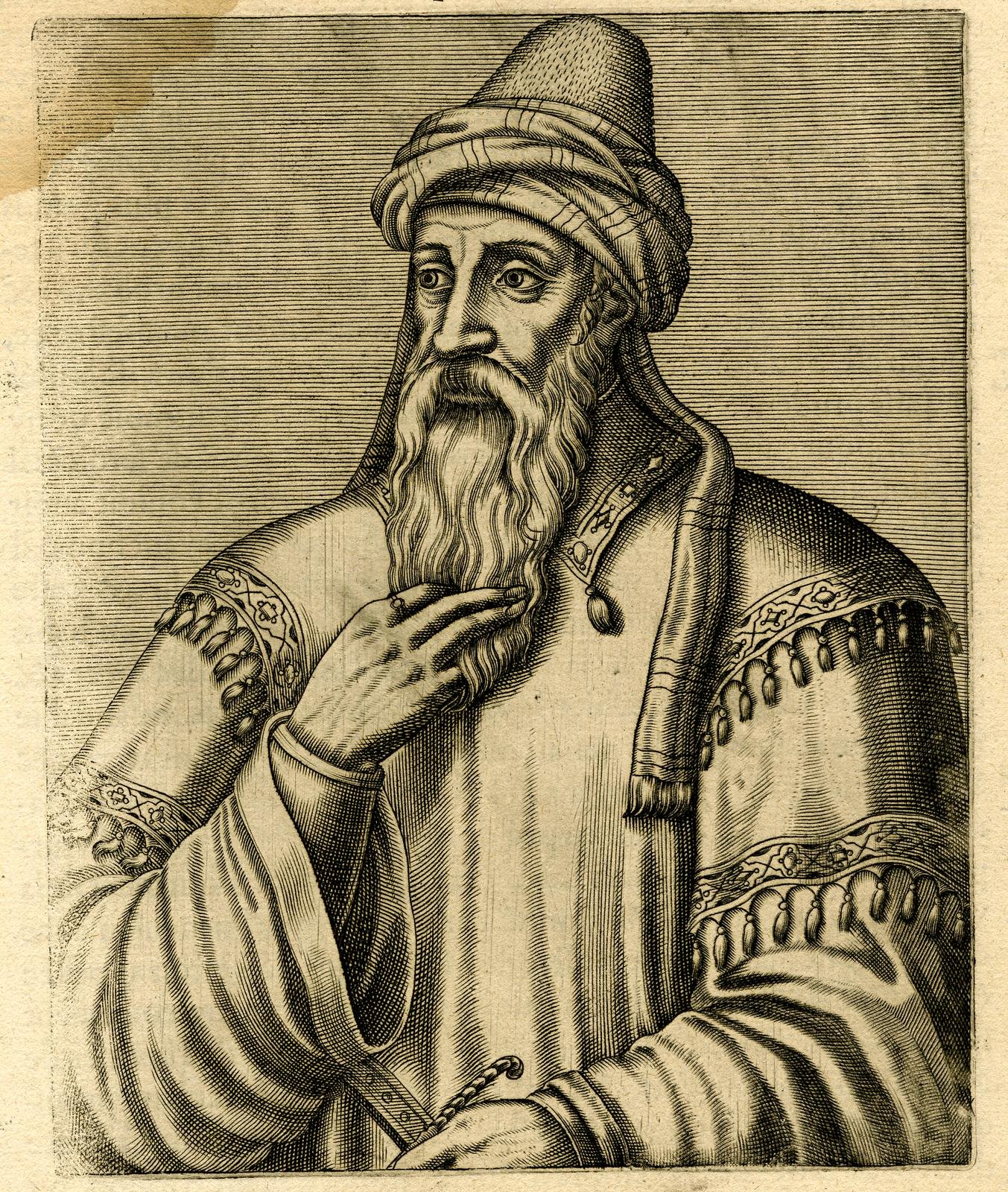
Image: Saladin Soldan d’Egypte (BM 1879,1213.302).jpg — Wikimedia Commons, Public domain