LAYER 7 · −7 m
Anatolian Civilizations
MÖ 9600 – MÖ 546
The deepest layer: the stones of Göbekli Tepe, the houses of Çatalhöyük, the rock sanctuaries of the Hittites.
39articles
437sources
5languages
39 articles · sort:
 Yazılıkaya: The Hittite Rock Sanctuary and Its GodsYazılıkaya is a Hittite open-air sanctuary in Çorum's Boğazkale district, close to the capital Hattusha. Its rock chambers carry processions of gods, and scholars still debate…6 min read · 11 sources
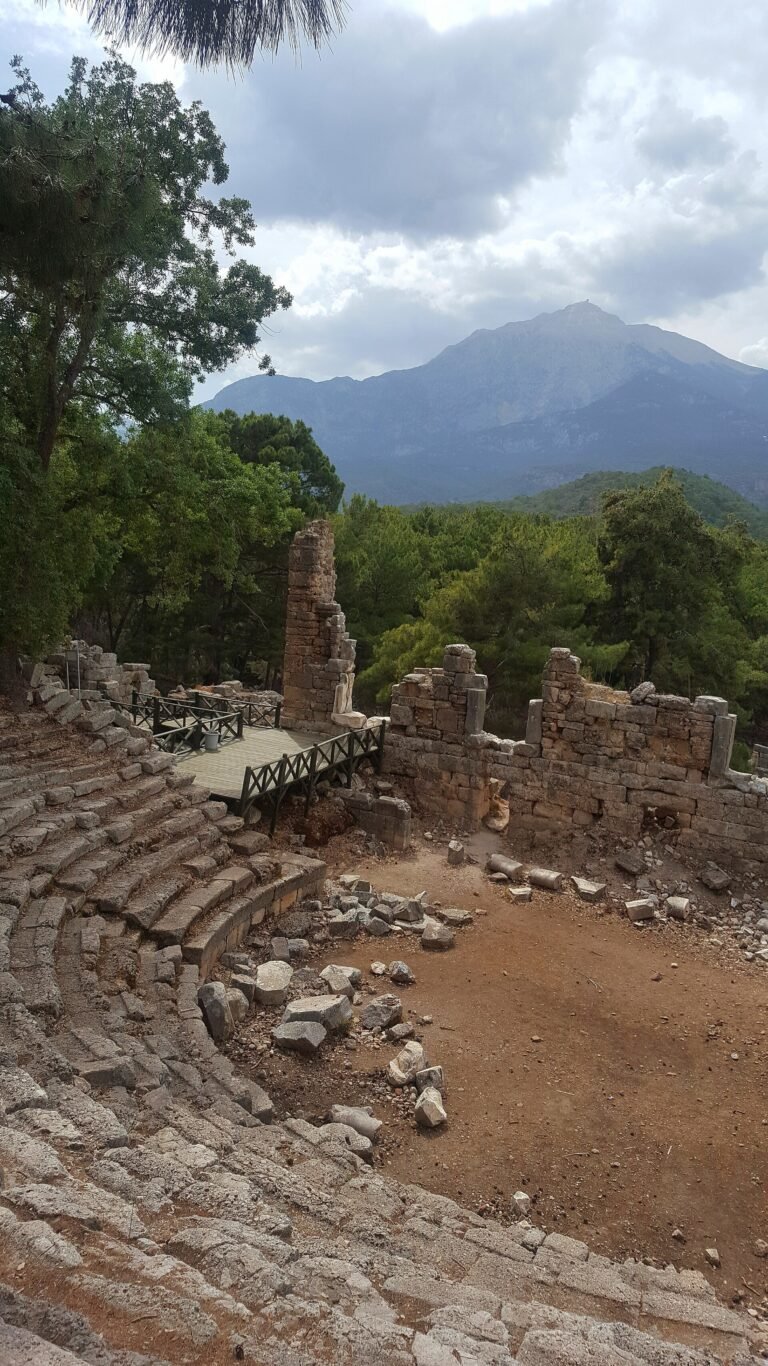 Where Is Phaselis? The Ancient City with Three HarborsPhaselis stands near Tekirova in Antalya’s Kemer district, between the Beydağları mountains and the Mediterranean. Its three harbors, Roman monuments and water systems reveal the workings…7 min read · 10 sources
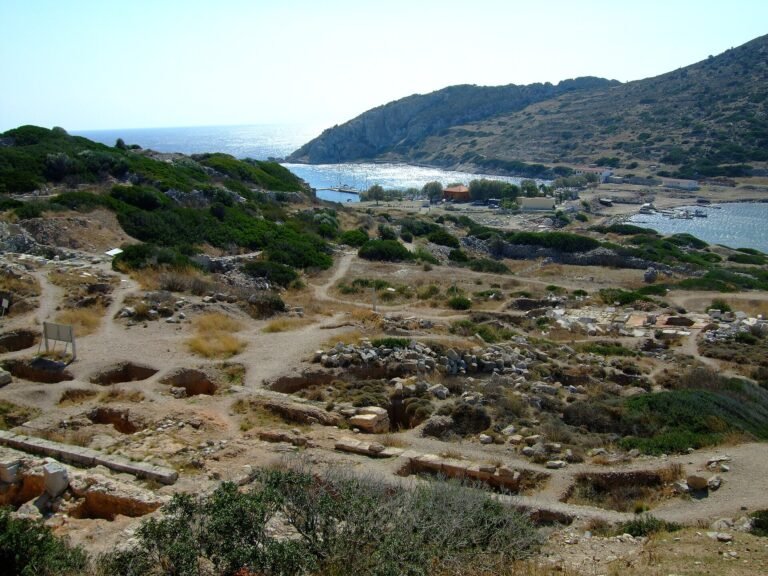 Where Is Knidos? Ancient Harbors and Ruins Near DatçaKnidos stands at Tekir Burnu on the western tip of the Datça Peninsula, with two ancient harbors and ruins arranged across terraces. Explore its theaters and…7 min read · 11 sources
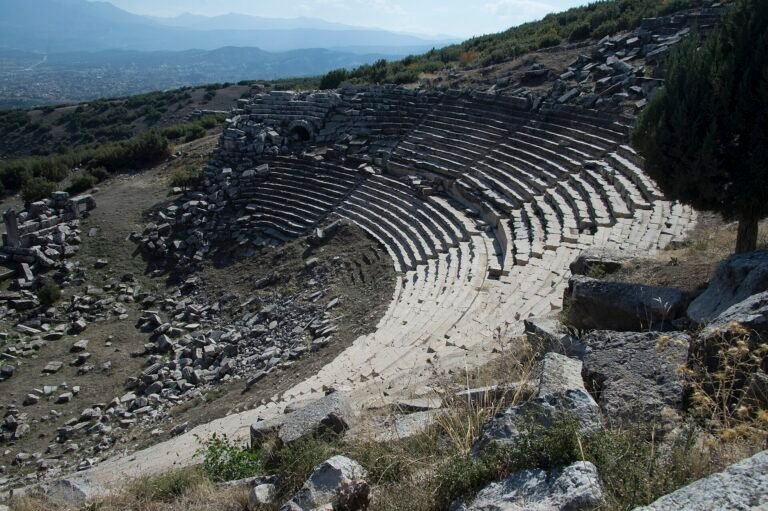 Where Is Kibyra? Medusa Mosaic and the Ancient City’s SightsKibyra spreads across three hills near Gölhisar in Turkey's Burdur province and was a Roman judicial centre. Its main sights include the multipurpose Odeion, a Medusa…8 min read · 6 sources
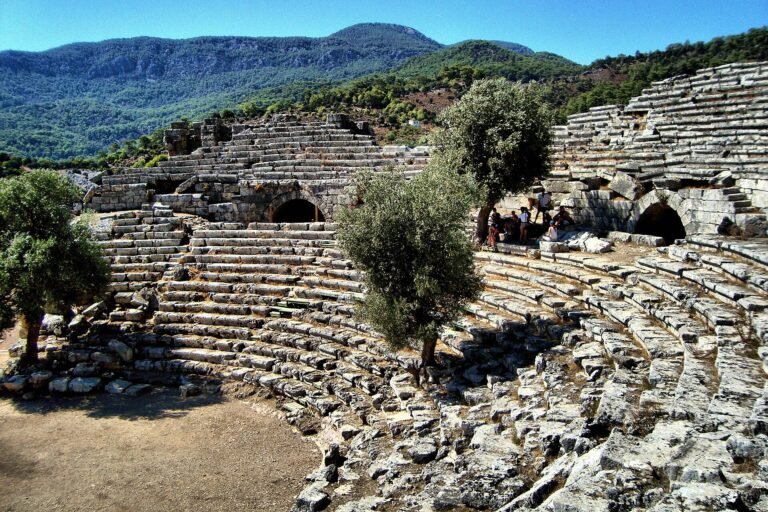 Where Is Kaunos? Dalyan’s Rock Tombs and Ancient HarborKaunos stands opposite Dalyan, within Çandır in Muğla’s Köyceğiz district, about eight kilometers inland from the sea. Its fourth-century BC rock tombs and two former harbors…7 min read · 4 sources
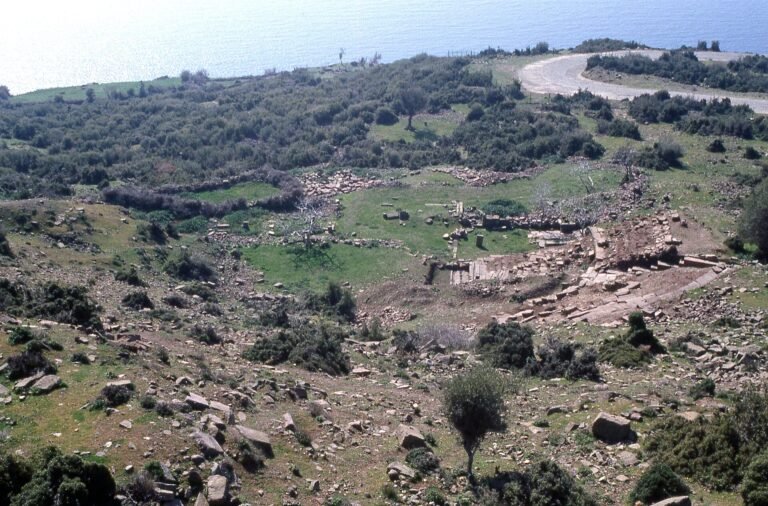 Where Is Assos? The Temple of Athena and the History of BehramkaleAssos stands in Behramkale, opposite Lesbos, with a settlement history reaching back to the Early Bronze Age. Its Temple of Athena, connections with Aristotle, and Ottoman…8 min read · 5 sources
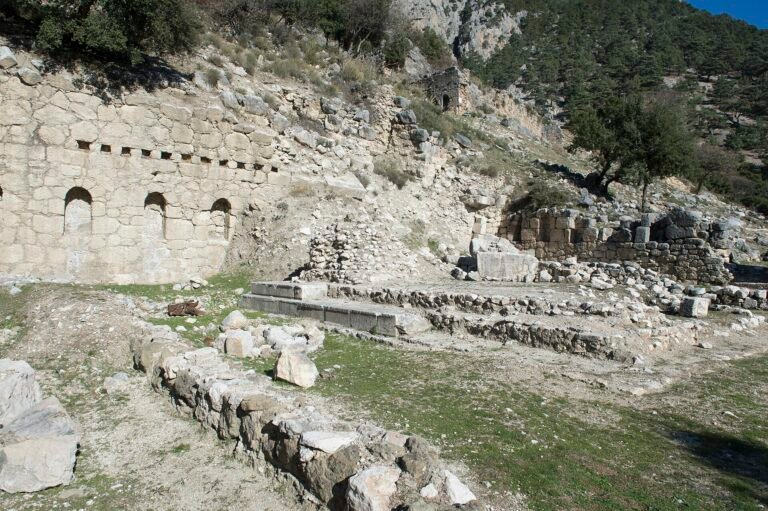 Where Is Arycanda? Exploring Its Terraces Near FinikeArycanda is a terraced Lycian city in Arif, within Antalya’s Finike district, beneath the steep rock of Şahinkaya. Its stadium, theatre, baths, temples and tombs reveal…8 min read · 7 sources
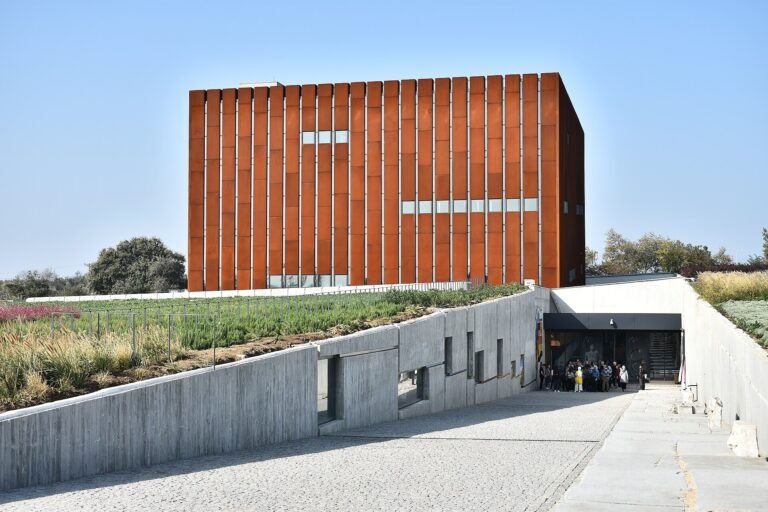 Museum of Troy: artifacts and award-winning architectureThe Museum of Troy brings together archaeological finds from Troy and the surrounding Troas region in Tevfikiye, Çanakkale. Its collection includes gold jewelry and the Polyksena…8 min read · 10 sources
 Puduhepa: The Hittite Queen Who Sealed the Treaty of KadeshPuduhepa rose from the priesthood in Kizzuwatna to become the Hittite great queen whose seal accompanied the Treaty of Kadesh. Her correspondence, religious work and surviving…7 min read · 12 sources
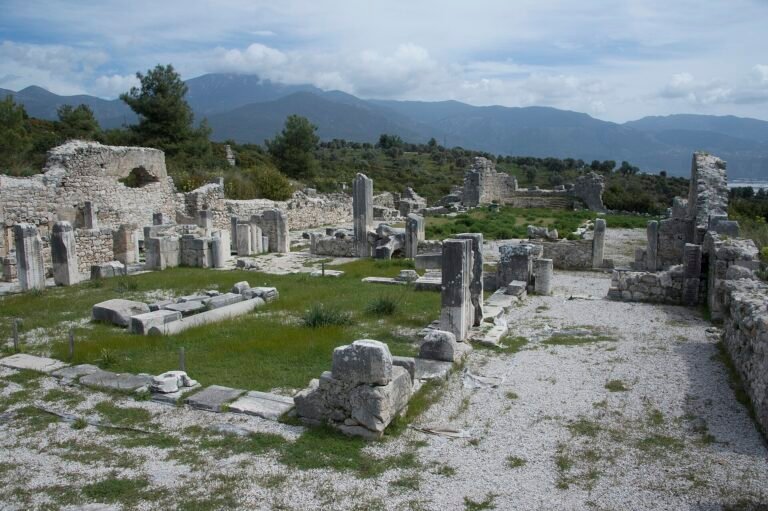 Xanthos and the Lycian League: The First Federation?Xanthos held a leading place in the Lycian League, whose cities shared a weighted voting system later discussed by Alexander Hamilton. Yet its disputed beginnings, earlier…8 min read · 15 sources
 Hittite Gods and Religion: Worship of a Thousand GodsHittite religion brought together gods from Anatolia and neighboring regions while preserving many local traditions. Food offerings, royal festivals, temple duties, and divination sustained relations with…7 min read · 11 sources
 The Hittite Laws: More Humane Than Hammurabi’s Code?The Hittite Laws placed considerable weight on compensation, including medical care, replacement labor, and rebuilding damaged property. Yet slavery, unequal penalties, mutilation, and execution limit claims…8 min read · 6 sources
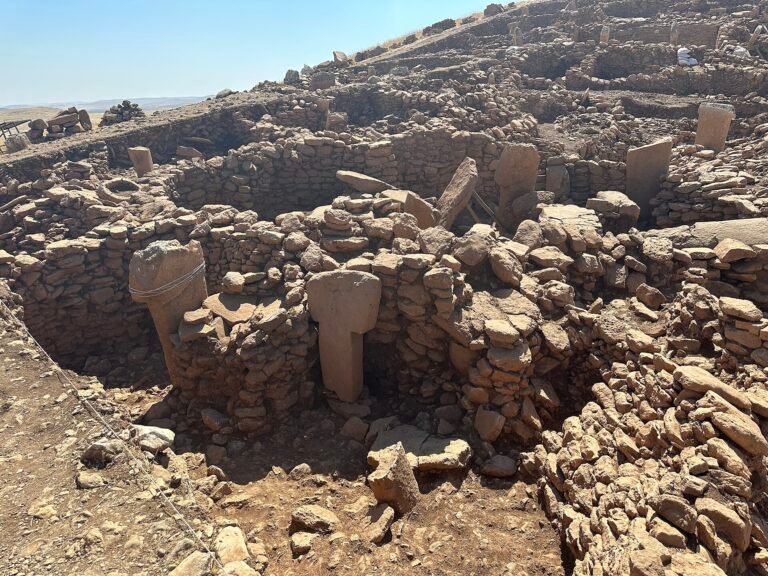 Karahan Tepe and Taş Tepeler: Göbekli Tepe’s Sister SiteKarahan Tepe (Karahantepe) is a Pre-Pottery Neolithic settlement in Şanlıurfa, dated by its excavator to 9400–8200 BCE, the same era as Göbekli Tepe. Its houses, carved…6 min read · 14 sources
 The Temple of Apollo at Didyma: Unfinished Giant and OracleThe Temple of Apollo at Didyma stands in Didim, Aydın, and was one of the main oracle centres of the Greek world. Work on the huge…6 min read · 10 sources
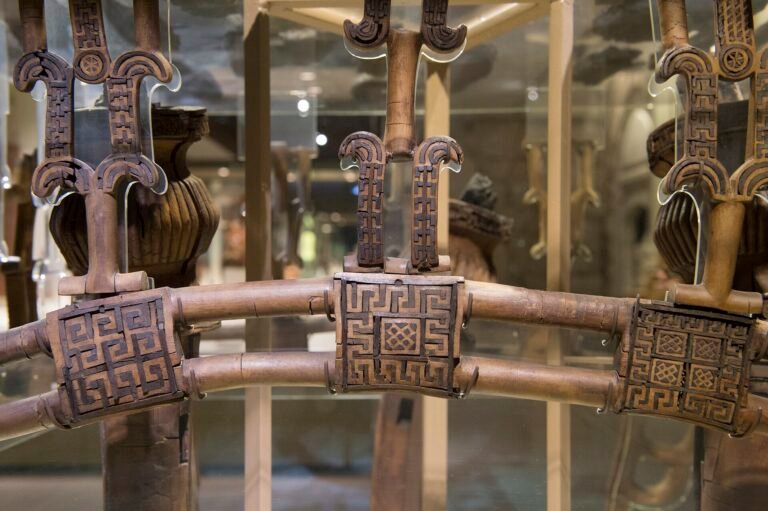 Museum of Anatolian Civilizations in Ankara: key artifactsAnkara’s Museum of Anatolian Civilizations brings together Çatalhöyük paintings, Alacahöyük grave finds, Hittite documents and Gordion furniture in two Ottoman buildings. Explore the key artifacts, the…8 min read · 11 sources
 Artemisia I of Caria: The Woman Admiral of Persia’s NavyArtemisia I was queen of Halicarnassus, today's Bodrum. In 480 BC she joined Xerxes' invasion of Greece with five ships, and according to Herodotus she advised…6 min read · 9 sources
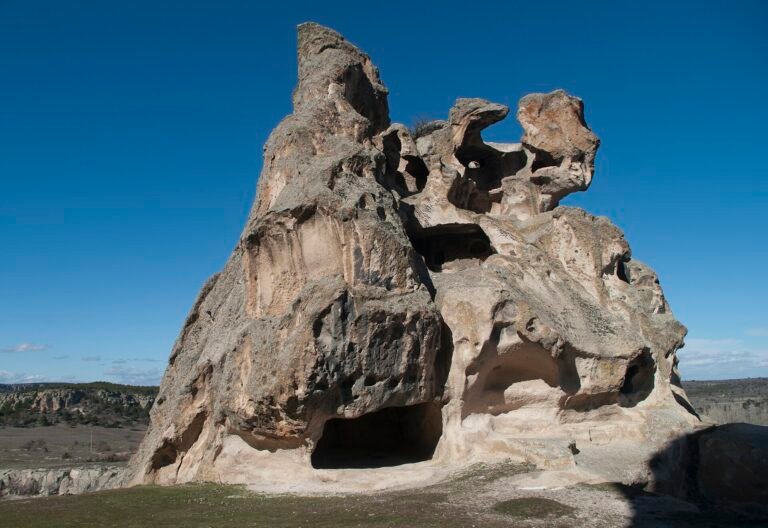 Phrygian Valley Turkey: Midas City and Rock MonumentsThe Phrygian Valley is a region of volcanic tuff cliffs spread across Eskişehir, Afyonkarahisar and Kütahya, carved with temples, tombs and shelters. This guide covers Midas…7 min read · 15 sources
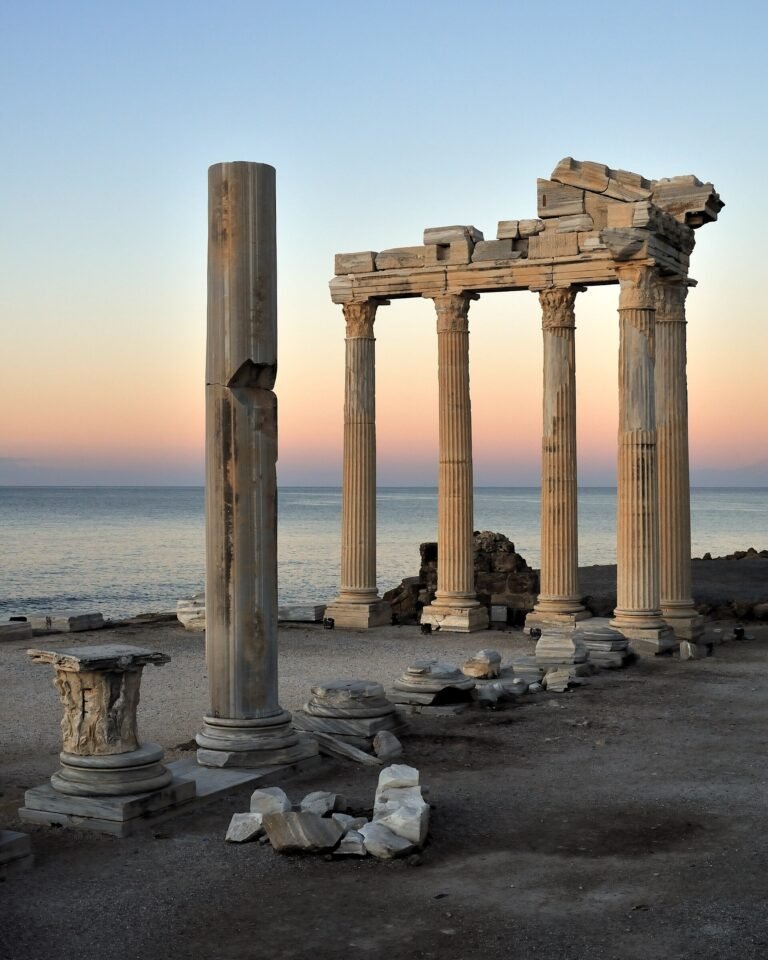 Ancient Side: Temple of Apollo, Theatre and Cleopatra LegendSide is a harbor city on the Mediterranean coast of Antalya Province, famous for its Temple of Apollo and a theatre that held about 16,000 to…8 min read · 11 sources
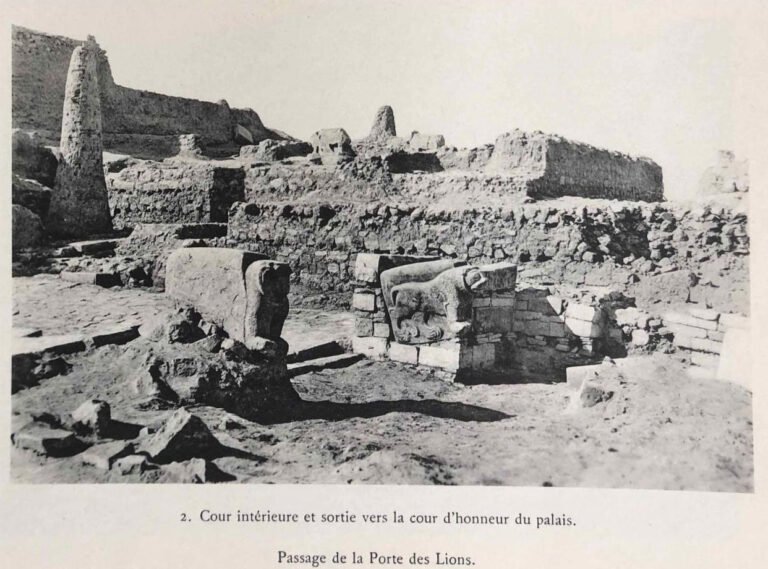 Arslantepe Mound in Malatya: A 5,500-Year-Old PalaceArslantepe is a mound in Malatya whose 3400–3100 BCE palace shows how an early state organised food, storage and power. UNESCO listed it in 2021, and…8 min read · 13 sources
 Croesus of Lydia: The Richest King and How He Lost It AllCroesus was the last king of Lydia, ruling from Sardis in what is now Manisa province, Türkiye. His wealth came from gold-bearing rivers and a coin…8 min read · 12 sources
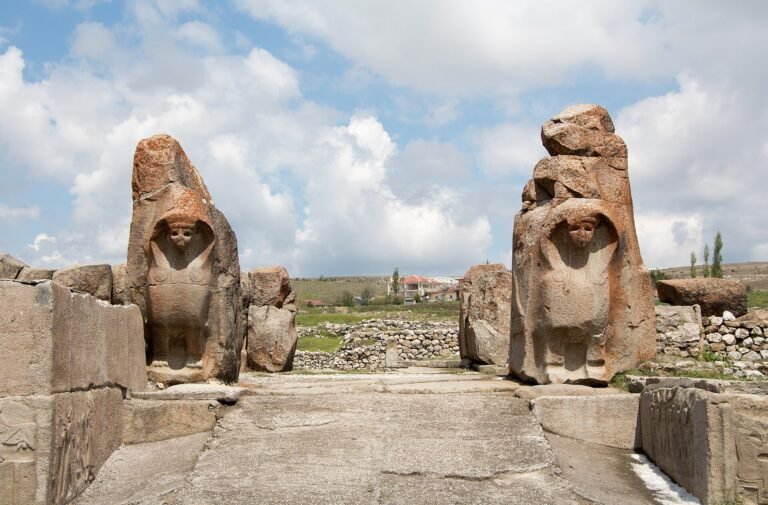 Alacahöyük and the Hittite Sun Disc: Origin of Ankara’s SymbolThe sun disc seen across Ankara comes from the Bronze Age tombs of Alacahöyük in Çorum, which are older than the Hittites. This article covers the…7 min read · 12 sources
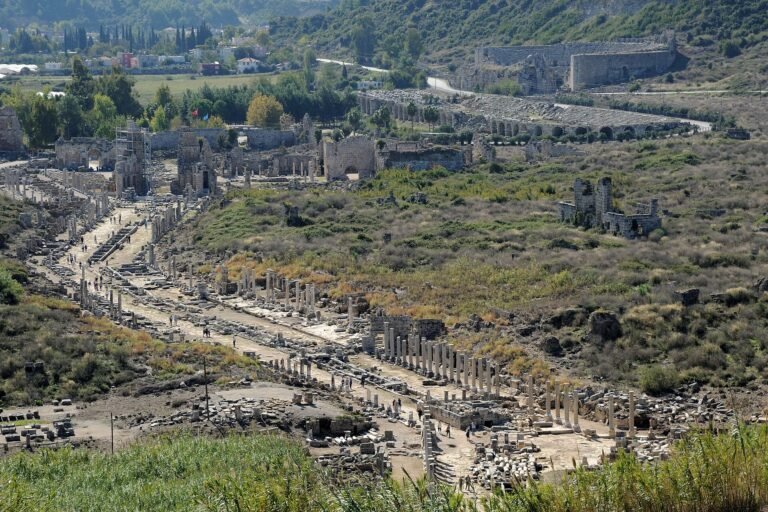 Perge: Roman City Near Antalya and Its Great StatuesPerge is an ancient Pamphylian city in Antalya's Aksu district. Its Roman-era ruins and the statues from its excavations, now in the Antalya Museum, make it…6 min read · 7 sources
 Patara: Capital of Lycia, Oldest Lighthouse, St. NicholasPatara, in Kaş district of Antalya, was the capital of the Lycian League and a harbor city with a Roman lighthouse built under Nero. This article…7 min read · 13 sources
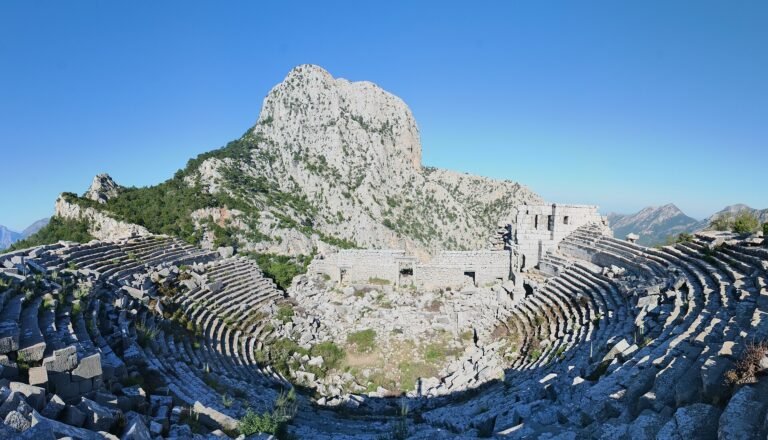 Termessos: The Eagle’s Nest City Alexander Could Not TakeTermessos is a Pisidian city built in a valley between the peaks of Güllük Mountain, about 1,050 metres above sea level near Antalya. Alexander the Great…7 min read · 10 sources
 The Gordian Knot: The Real Place Behind Alexander’s LegendThe Gordian Knot legend belongs to a real place: Gordion, the Phrygian capital at Yassıhöyük in Polatlı, Ankara. This article explains where it is, what Alexander…6 min read · 7 sources
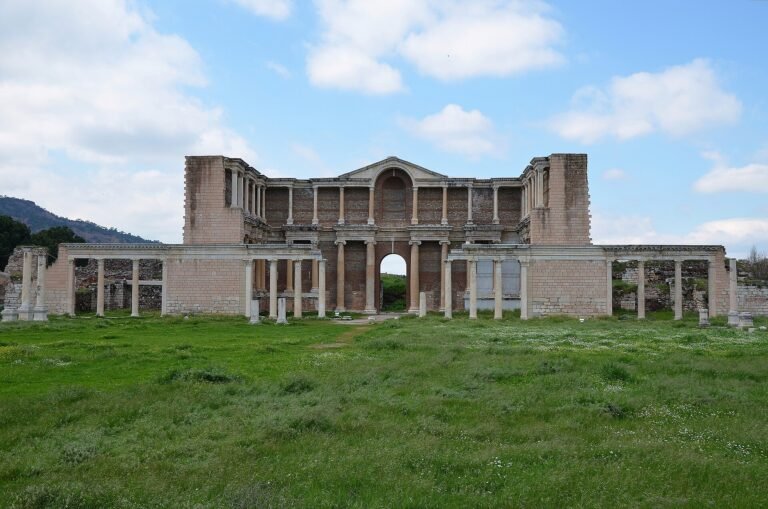 Sardis: Capital of Lydia and Birthplace of Gold CoinageSardis, near Salihli in Manisa Province, was the capital of Lydia and a centre of early coin production and gold refining. Its Temple of Artemis, Roman-era…6 min read · 11 sources
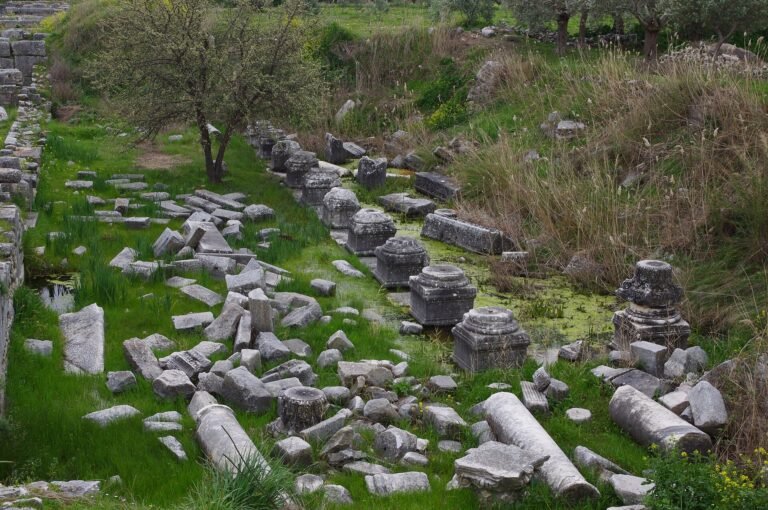 Ionia and Miletus: The Anatolian Coast Where Philosophy Was BornIonia was the ancient name for the coastal strip of western Anatolia, and its leading city, Miletus, produced Thales, Anaximander and Anaximenes. This guide covers the…7 min read · 12 sources
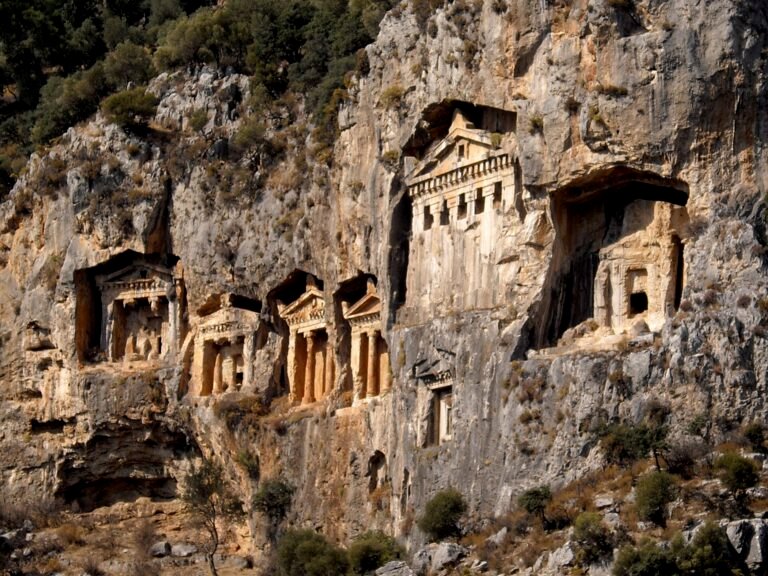 Lycian Rock Tombs: Why Were They Carved into Cliffs?Lycian rock tombs at Fethiye and Kaunos turned workable natural rock into house-shaped and temple-shaped burial chambers for high-status people. Researchers explain their high position through…8 min read · 14 sources
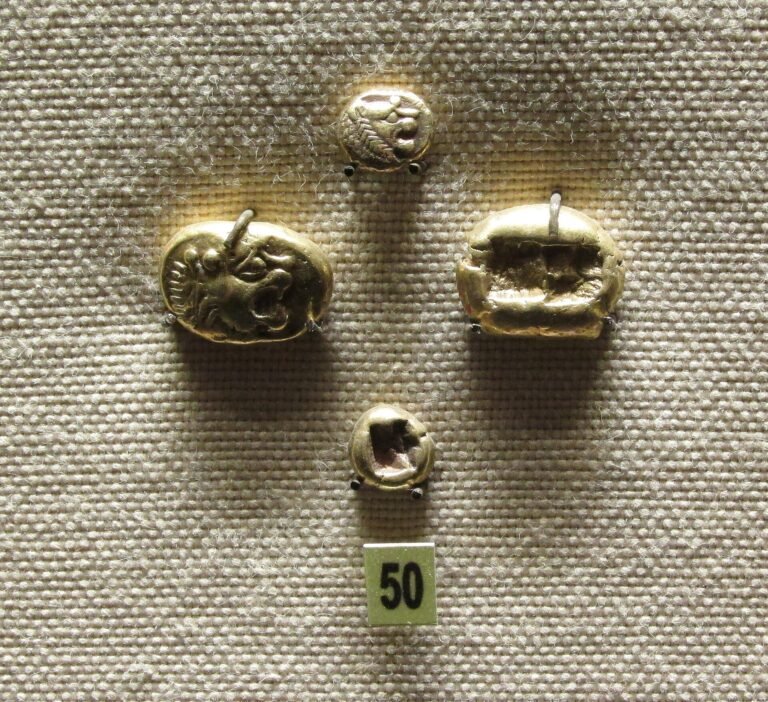 The Lydians: The Anatolian People Who Invented CoinageThe Lydians were an Iron Age people of western Anatolia, centred on Sardis, who are credited with the first standardised, stamped metal coins in the 7th…6 min read · 12 sources
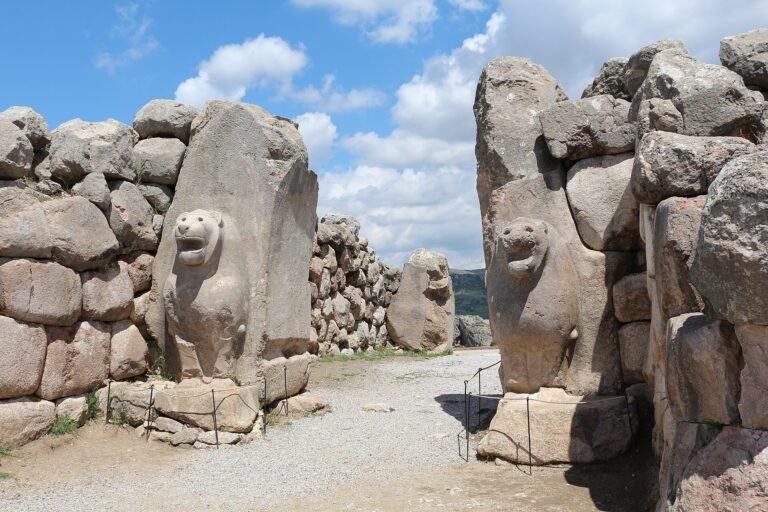 Hattusa: The Hittite Capital and What to See ThereHattusa was the Hittite capital, in the Boğazkale district of Çorum, Turkey, and has been a UNESCO World Heritage site since 1986. This guide covers where…8 min read · 11 sources
 Çatalhöyük: Was the World’s First City Built in Konya?Çatalhöyük is a Neolithic settlement in Konya Province, Türkiye, with houses entered from the roof, painted walls and burials under the floors. It documents the shift…7 min read · 13 sources
 Urartu and Van Castle: The Kingdom of Eastern AnatoliaUrartu was an Iron Age kingdom that took shape around Lake Van in the mid-9th century BC, with its capital Tushpa where Van Castle stands today.…7 min read · 14 sources
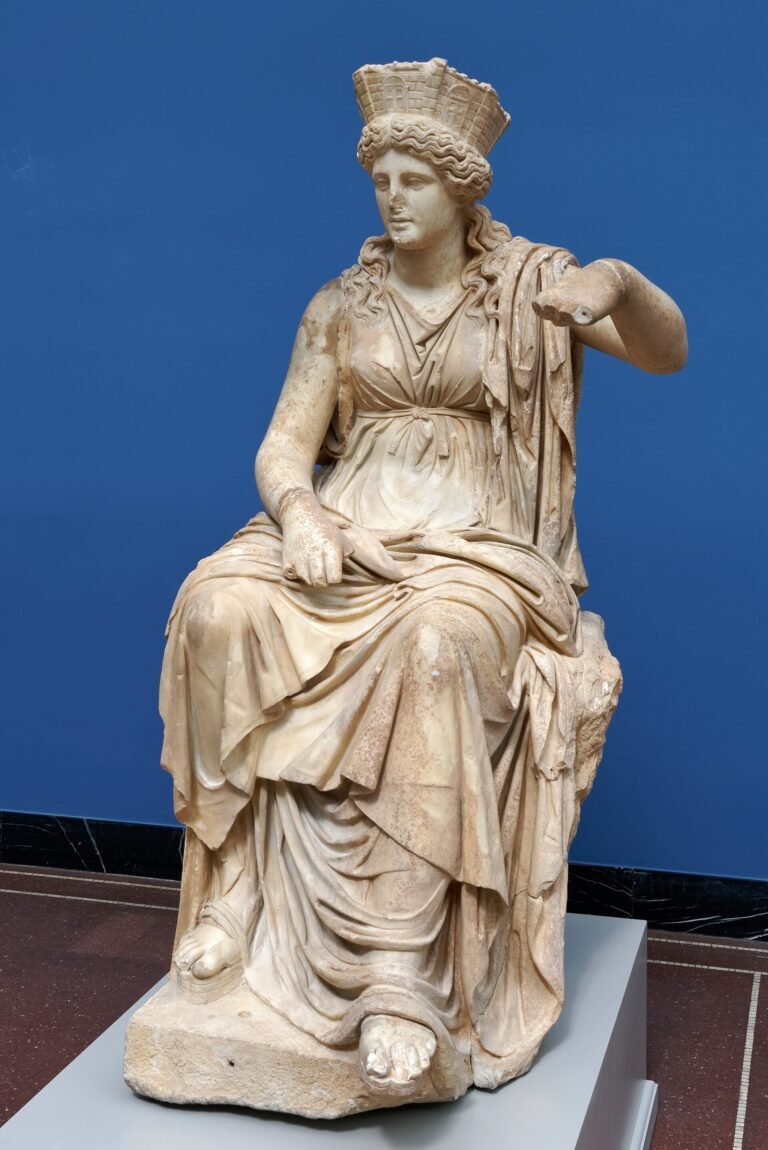 Cybele: How Anatolia’s Mother Goddess Was Carried to RomeCybele, a mother goddess tied to Phrygia in Anatolia, was adopted by Rome in 204 BC during the Second Punic War, represented by a sacred stone.…8 min read · 13 sources
 The Phrygians and King Midas: The Truth Behind the LegendKing Midas ruled the Phrygian kingdom from Gordion and appears in contemporary Assyrian records as Mita of the Mushki. His golden touch and donkey ears belong…7 min read · 11 sources
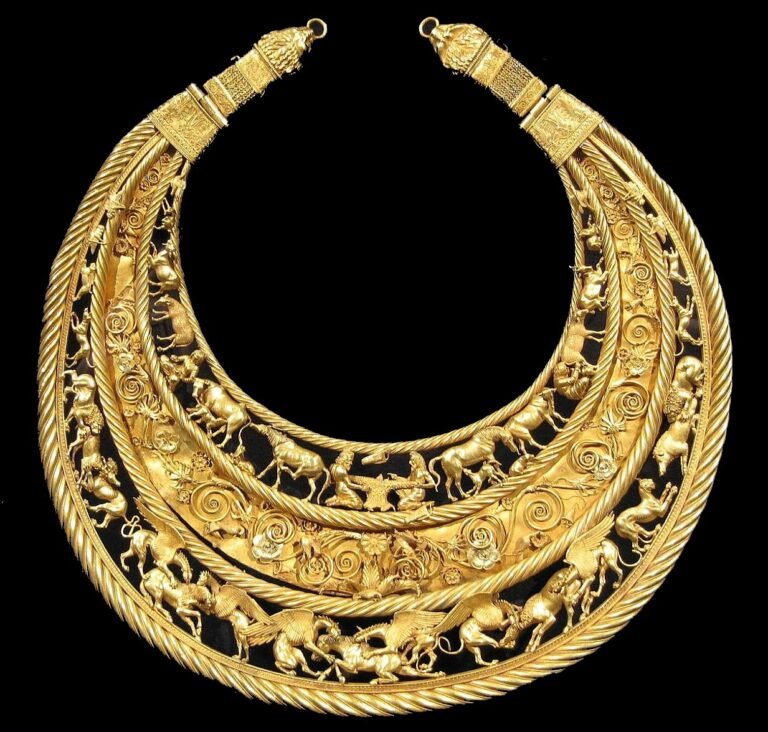 The Scythians: Golden-Craft Masters, Were They Turkic?The Scythians were horse-riding nomads of the Eurasian steppe who left behind animal-style gold and richly furnished burial mounds. Linguists place their language among the Iranian…7 min read · 12 sources
 Who Were the Hittites? Anatolia’s First Great EmpireThe Hittites rose in Central Anatolia around 1650 BC and ruled a network of vassal kingdoms from Hattusa until their central government collapsed around 1200 BC.…9 min read · 23 sources
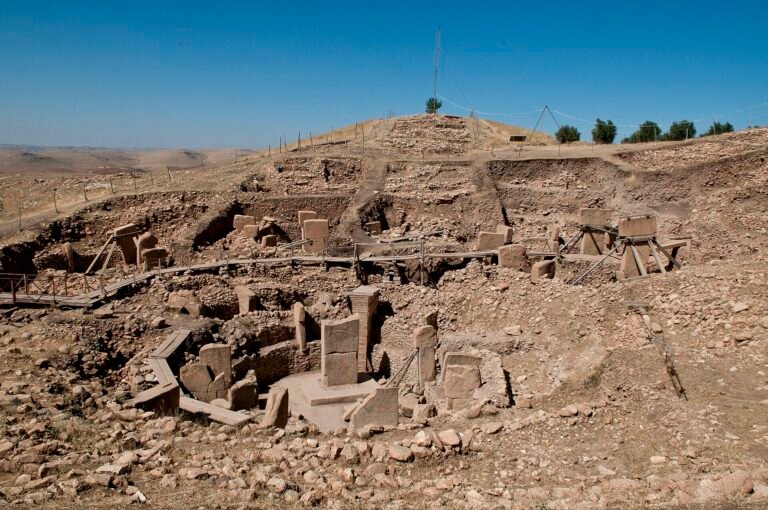 Göbekli Tepe: The 12,000-Year-Old Temple That Rewrote HistoryGöbekli Tepe in Şanlıurfa, Turkey, holds circular enclosures of T-shaped limestone pillars built by hunter-gatherers between about 9600 and 8000 BC. This guide covers its location,…6 min read · 14 sources
 Was the Trojan Horse Real? Myth Meets Archaeology at TroyTroy is a real, excavated city on the mound of Hisarlık in Çanakkale, but archaeology has never confirmed the hollow wooden horse of the legend. This…7 min read · 12 sources
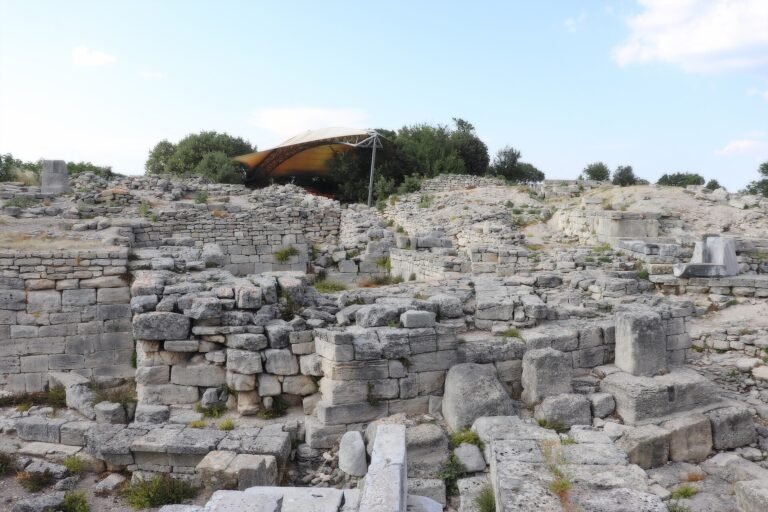 Ancient Troy: Where It Is and Its Nine Cities in ÇanakkaleTroy is the Hisarlık mound next to Tevfikiye village in Çanakkale, where at least nine cities were built on top of each other between 3000 BC…10 min read · 13 sources