LAYER 6 · −6 m
Ancient World
MÖ 3200 – MS 476
From the invention of writing to the fall of Western Rome: Egypt, Mesopotamia and the Greek world.
58articles
673sources
5languages
58 articles · sort:
 Taq Kasra: The World’s Largest Brick Arch Near BaghdadTaq Kasra preserves the monumental brick vault of a Sasanian palace complex near Baghdad. Its disputed construction date, surviving architecture, and conservation history reveal how much…7 min read · 6 sources
 The Behistun Inscription: How It Unlocked CuneiformCarved into a cliff in Iran, the Behistun Inscription presents Darius I’s account of his accession and victories in three ancient languages. Its contribution to deciphering…7 min read · 7 sources
 Tikal: The Maya Capital in the Guatemalan JungleTikal was the capital of one of the most powerful Maya kingdoms of the Classic Period, set in the Petén rainforest of northern Guatemala. This article…7 min read · 9 sources
 Tigranes the Great: Armenia at Its Greatest ExtentTigranes the Great ruled Armenia from 95 to 55 BCE and brought it to its greatest territorial extent. His coins, new capital, and wars with Rome…7 min read · 9 sources
 The Olmec Colossal Heads: Why Carve 20-Ton Portraits?The Olmec carved enormous basalt heads that are widely interpreted as portraits of individual rulers, making political authority visible through stone. Their locations, facial details, and…8 min read · 14 sources
 Egyptian Museum in Cairo and the Grand Egyptian MuseumCairo’s Egyptian Museum in Tahrir Square holds the Narmer Palette, the Tanis treasures and finds from the tomb of Psusennes I. The Grand Egyptian Museum near…8 min read · 17 sources
 Sun Tzu and The Art of War: Who Wrote It and What It SaysThe Art of War is a 13-chapter Chinese strategy text traditionally credited to Sun Wu, known as Sun Tzu. Scholars still debate who he was and…7 min read · 8 sources
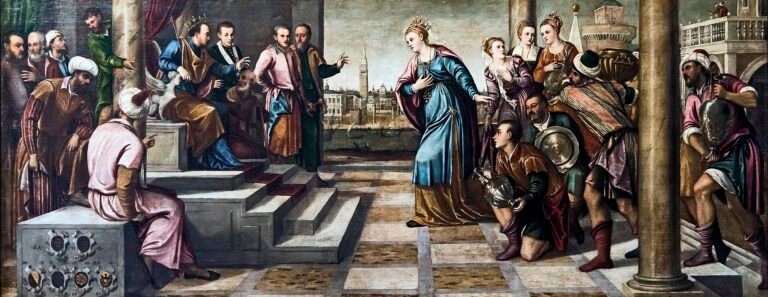 Queen of Sheba: Solomon, Ethiopia and the Legend ExplainedThe Queen of Sheba appears in the Bible, the Quran and Ethiopia's Kebra Nagast, each time with a different story. This article separates what the texts…7 min read · 10 sources
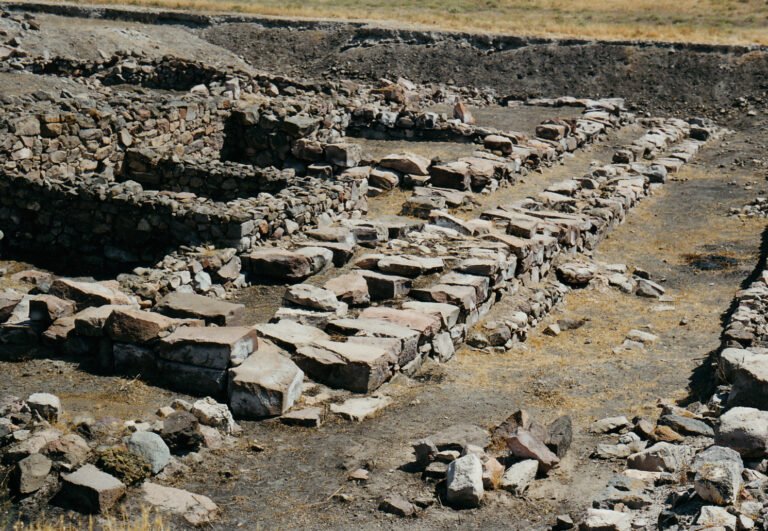 Kültepe (Kanesh): Home of Anatolia’s Oldest Written RecordsKültepe, ancient Kanesh, lies about 20 kilometres northeast of Kayseri. Its clay tablets, written by Assyrian and Anatolian merchants in the early 2nd millennium BC, are…7 min read · 8 sources
 Olympos and the Chimaera Flames: The Science Behind the FireYanartaş, the "Chimaera" flames near Çıralı, burns natural gas that seeps through cracked rock. Researchers measured the gas and still debate how part of its methane…7 min read · 11 sources
 Siddhartha Gautama (the Buddha): Lumbini to EnlightenmentSiddhartha Gautama, the founder of Buddhism, is traditionally said to have been born at Lumbini in southern Nepal and to have reached enlightenment at Bodh Gaya…8 min read · 11 sources
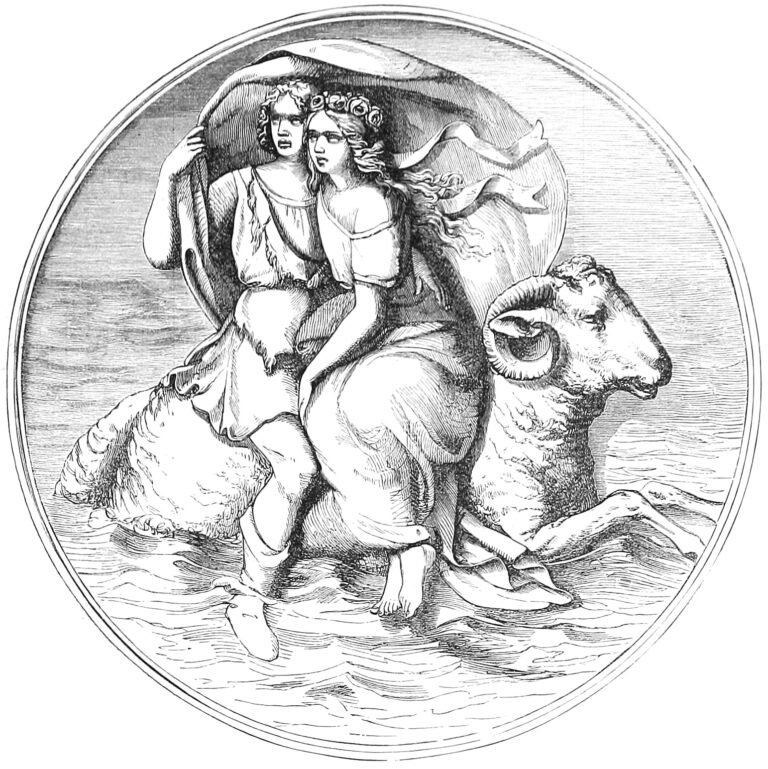 Golden Fleece: Were the Argonauts’ Colchis in Georgia?Colchis, the land Jason sailed to in the Golden Fleece myth, was a real region centred on today's western Georgia. The voyage itself is not a…8 min read · 14 sources
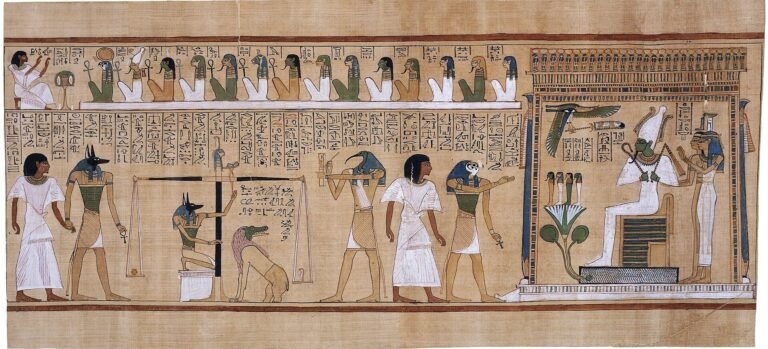 The Egyptian Gods: Who Were Ra, Osiris, Anubis and Horus?Ra, Osiris, Anubis and Horus each covered a part of life in ancient Egypt: the sun, death and rebirth, embalming and judgment, and kingship. This guide…8 min read · 14 sources
 The Great Wall of China: When It Was Built and WhyThe Great Wall of China is not one wall but a chain of defensive lines built from the 7th century BCE to the Ming era. This…8 min read · 9 sources
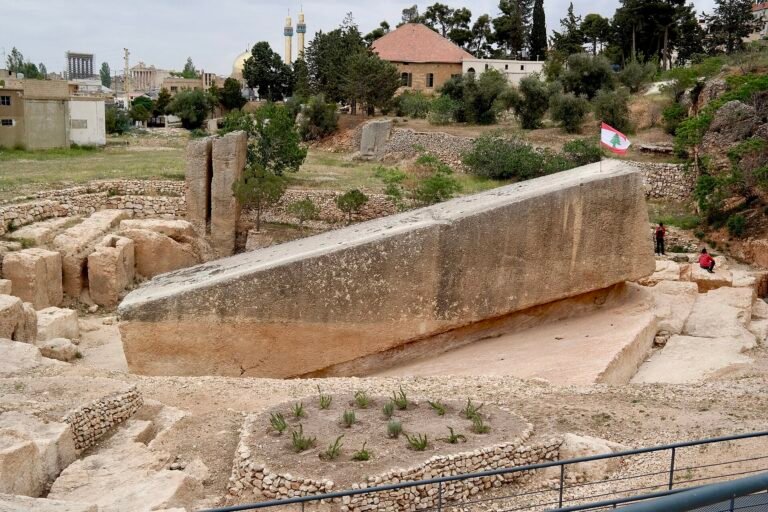 The Giant Stones of Baalbek: How Romans Moved 1,000-Ton BlocksThree blocks of about 750–800 tons each sit in the podium wall of the Temple of Jupiter at Baalbek in Lebanon. Larger blocks of roughly 1,000,…7 min read · 8 sources
 Mount Nemrut Statues: Secret of the Commagene KingdomMount Nemrut in Kâhta, Adıyaman, carries the sacred tomb of King Antiochos I of Commagene, built in the 1st century BC and guarded by statues 8–10…5 min read · 11 sources
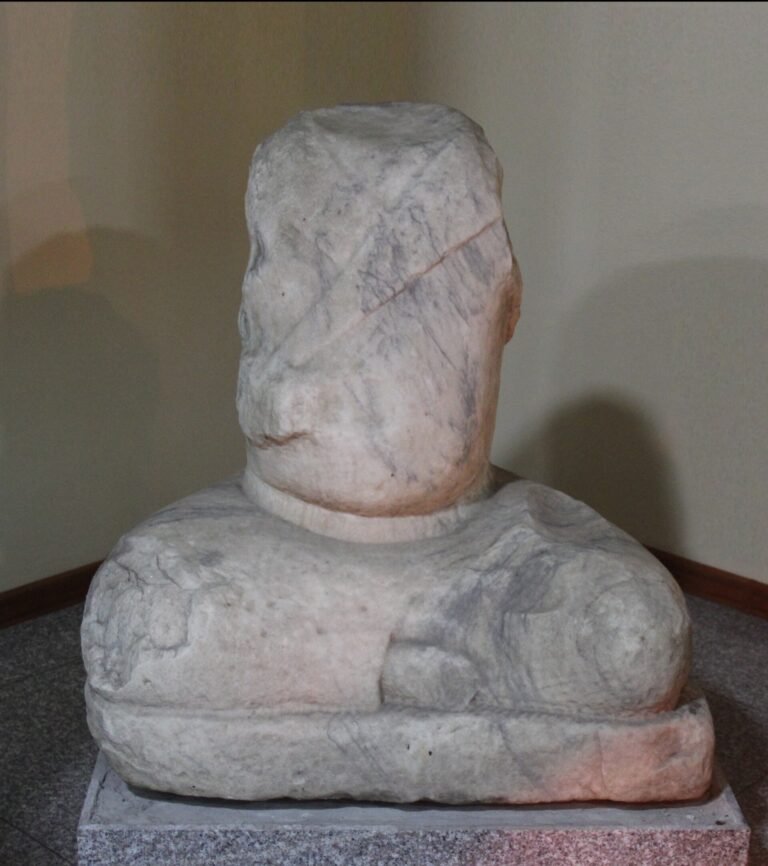 Bilge Qaghan: The Ruler Who Warned the Turkish NationBilge Qaghan was the fourth ruler of the Second Turkic Khaganate and the older brother of Kül Tigin. His inscription and tomb complex stand in Mongolia's…6 min read · 10 sources
 The Treaty of Kadesh: History’s First Written Peace TreatyThe Treaty of Kadesh was a peace and alliance agreement between Pharaoh Ramesses II of Egypt and the Hittite Great King Hattusili III. Its clay copies…7 min read · 8 sources
 The Neolithic Revolution: Why Humans Chose FarmingThe Neolithic Revolution was the shift from hunting and gathering to farming, which began in the Near East around 10,000 BCE and developed independently in several…8 min read · 13 sources
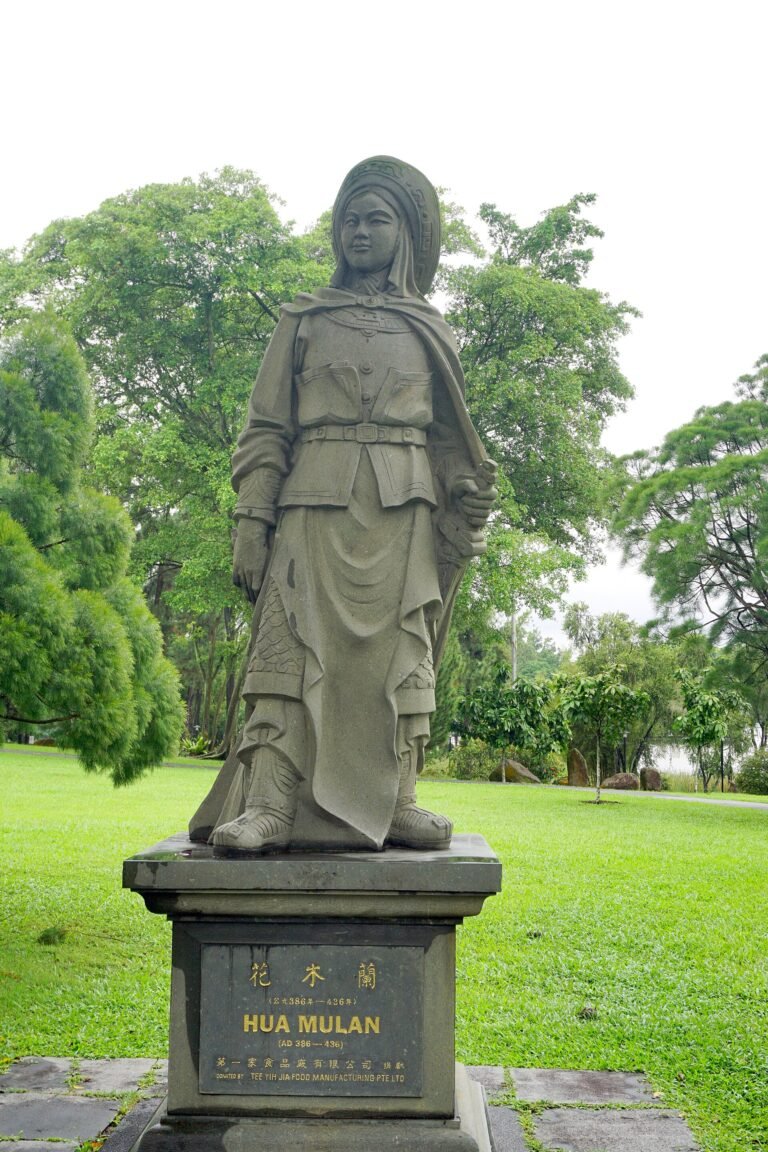 Was Hua Mulan Real? The Historical Trail of a LegendNo historical record proves that Hua Mulan lived. The earliest evidence is the Ballad of Mulan, dated to the 5th or 6th century, and later writers…6 min read · 8 sources
 The Valley of the Kings: Why Pharaohs Abandoned PyramidsThe Valley of the Kings lies across the Nile from Luxor. New Kingdom pharaohs chose its hidden, rock-cut tombs over pyramids, but the exact reason is…8 min read · 10 sources
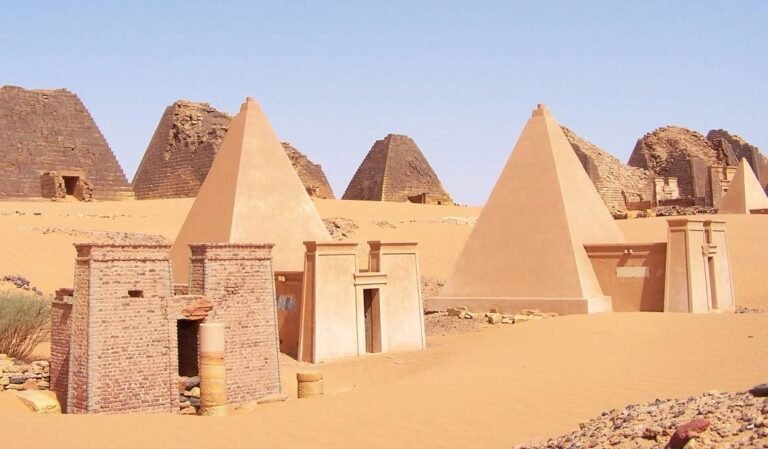 Sudan Has More Pyramids Than Egypt: Kingdom of Kush GuideSudan holds about 255 pyramids, more than neighboring Egypt, and most belong to the Kingdom of Kush. This article covers Kush's location, kings, gods, writing and…9 min read · 21 sources
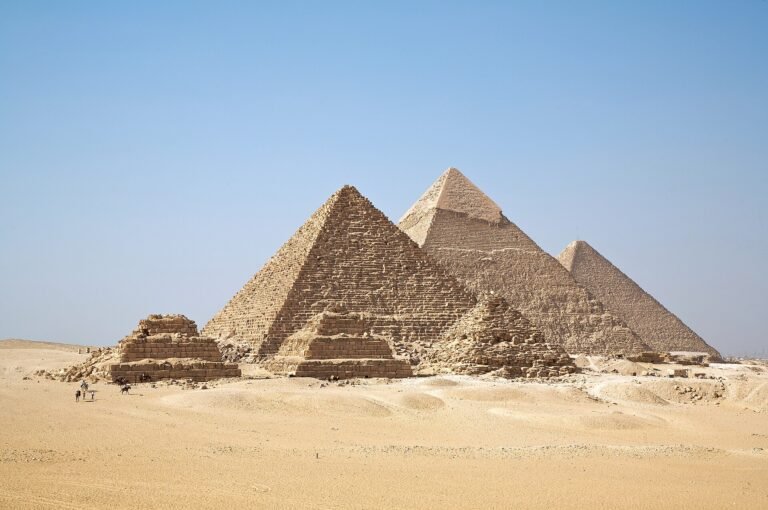 How Were the Pyramids of Giza Built? Stone, Ships and WorkersThe three main pyramids of Giza were built for the Fourth Dynasty kings Khufu, Khafre and Menkaure about 4,500 to 4,600 years ago. Local quarries, limestone…8 min read · 18 sources
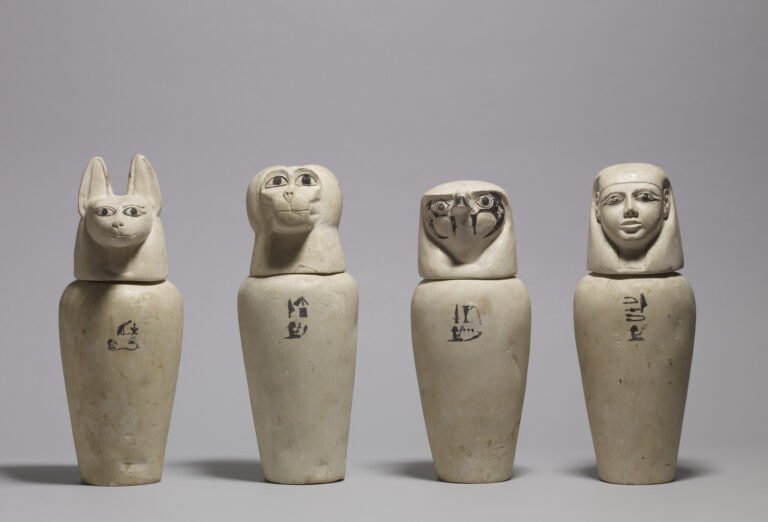 How Did Ancient Egyptians Mummify the Dead? 70-Day ProcessAncient Egyptians preserved bodies so the ba and ka had a physical home after death. The advanced method removed organs, dried the body with natron and…7 min read · 9 sources
 Mausoleum at Halicarnassus: Location, Fate and RemainsThe Mausoleum at Halicarnassus was a monumental tomb built in today's Bodrum for the Carian satrap Mausolos, and it ranks among the Seven Wonders of the…7 min read · 14 sources
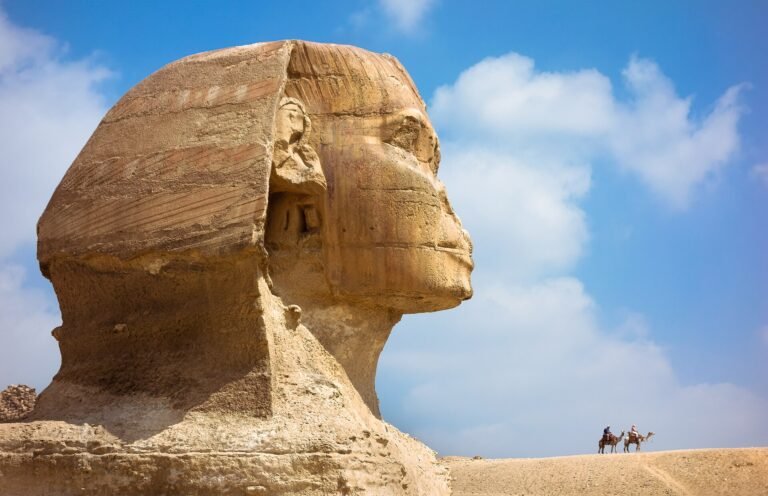 The Great Sphinx of Giza: Nose, Builder and What Lies BeneathThe Great Sphinx of Giza was carved from bedrock, and strong archaeological evidence ties it to the reign of Khafre. Its nose was missing before Napoleon…9 min read · 9 sources
 Kingdom of Aksum: Obelisks and Africa’s First Christian StateThe Kingdom of Aksum grew in the highlands of northern Ethiopia and Eritrea, traded through the Red Sea port of Adulis, and adopted Christianity under King…8 min read · 14 sources
 Tomyris: The Scythian Queen Who Defeated Cyrus the GreatTomyris was a 6th-century BC queen of the Massagetae, a people counted among the Scythian or Saka communities. According to Herodotus, she beat the Persian army…8 min read · 8 sources
 The Nazca Lines: Who Made the Giant Desert Drawings?The Nazca Lines are geoglyphs in southern Peru, made by removing dark stones from the desert floor. Paracas and Nasca societies created them roughly 1,500 to…7 min read · 10 sources
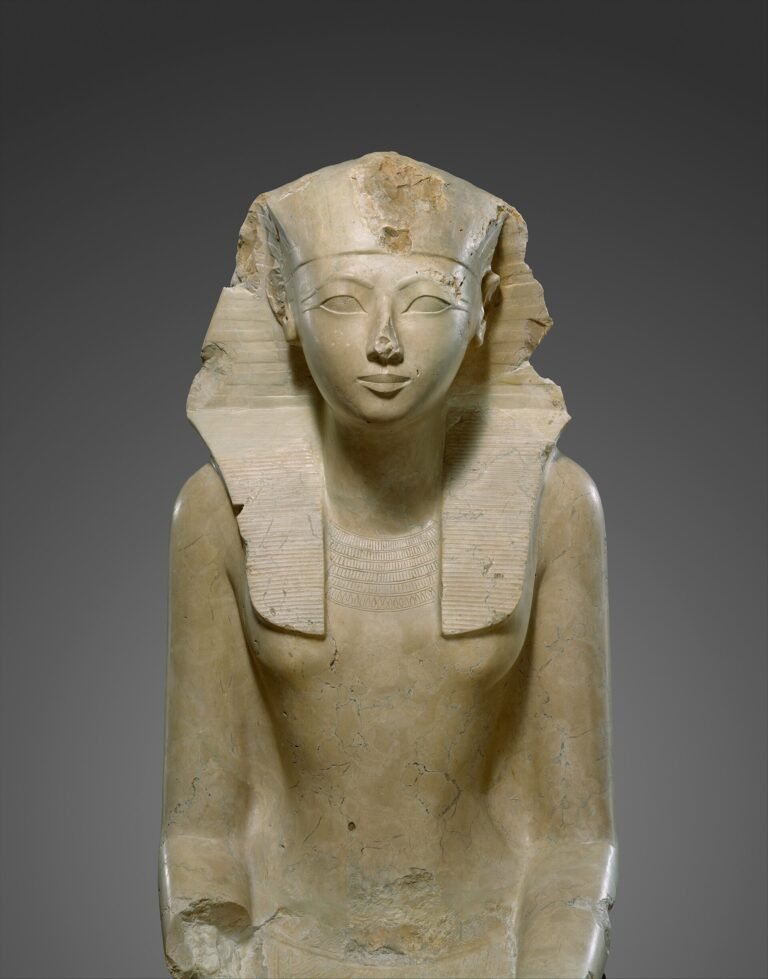 Hatshepsut: The Woman Who Became Pharaoh of EgyptHatshepsut was an 18th Dynasty ruler who turned a regency for the young Thutmose III into a reign as pharaoh. She is remembered for her Punt…8 min read · 13 sources
 The Terracotta Army: The Emperor’s 8,000 Clay SoldiersThe Terracotta Army is a set of life-size clay soldiers and horses buried to guard Qin Shi Huang, China's first emperor, in the afterlife. Farmers digging…7 min read · 8 sources
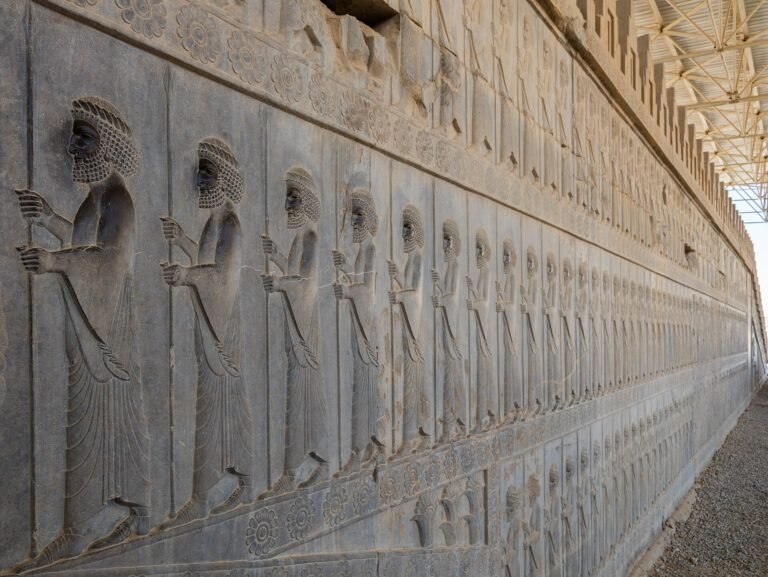 Persepolis: Why Did Alexander the Great Burn It?The palaces of Persepolis burned in spring 330 BC, after Alexander the Great took the city. Ancient writers blame revenge for Athens or a drunken feast,…7 min read · 8 sources
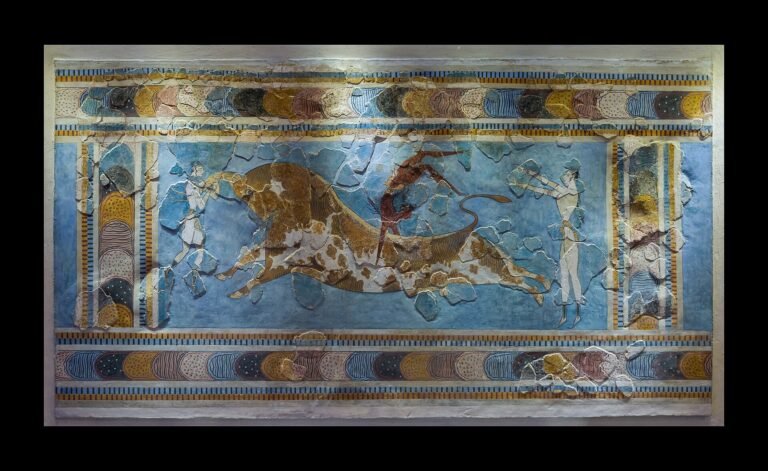 The Minoans and Knossos: The Real Palace Behind the LabyrinthThe Minoans were a Bronze Age culture centered on Crete, and Knossos was their palace, a real center of administration, economy and religion. The Labyrinth and…9 min read · 16 sources
 Code of Hammurabi: Laws, Stele and Louvre LocationThe Code of Hammurabi is a Babylonian collection of 282 legal provisions, carved on a basalt stele around 1750 BC. It was not the first written…8 min read · 7 sources
 Ashoka the Great: Kalinga, Buddhism and India’s Flag WheelAshoka, the third Maurya emperor, wrote in his own edict that 100,000 people were killed in the conquest of Kalinga and that he felt remorse. The…7 min read · 12 sources
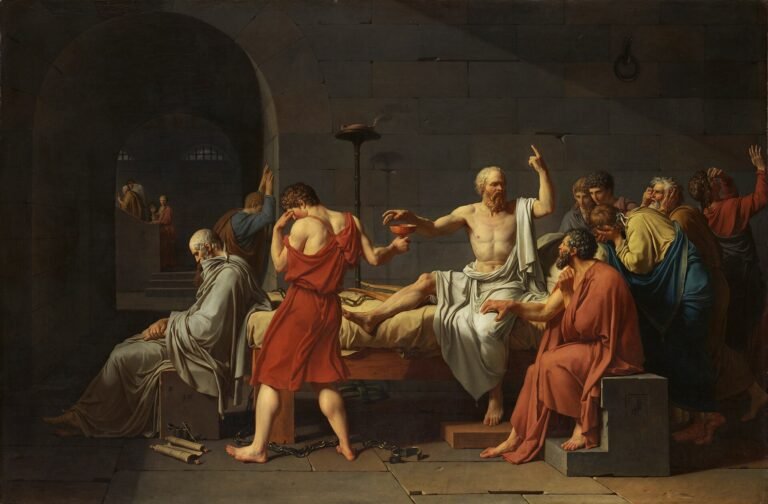 The Death of Socrates: Why Athens Sentenced Him to Drink HemlockIn 399 BC an Athenian jury found Socrates guilty of not recognizing the city's gods, introducing new divine beings and corrupting the young. After a one-day…7 min read · 8 sources
 The Parthenon: How It Was Built and Why It Lies in RuinsThe Parthenon was built on the Acropolis of Athens between 447 and 432 BC for the goddess Athena, using precisely cut marble blocks laid without mortar.…8 min read · 11 sources
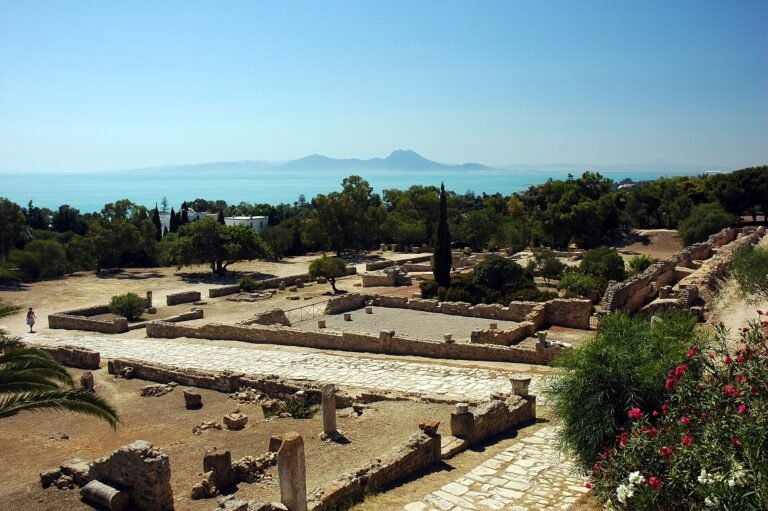 How Carthage Fell: ‘Carthage Must Be Destroyed’ and SaltCarthage, a Phoenician city in today's Tunisia, fell to Rome in 146 BC at the end of the Third Punic War. Cato's famous slogan is real,…7 min read · 12 sources
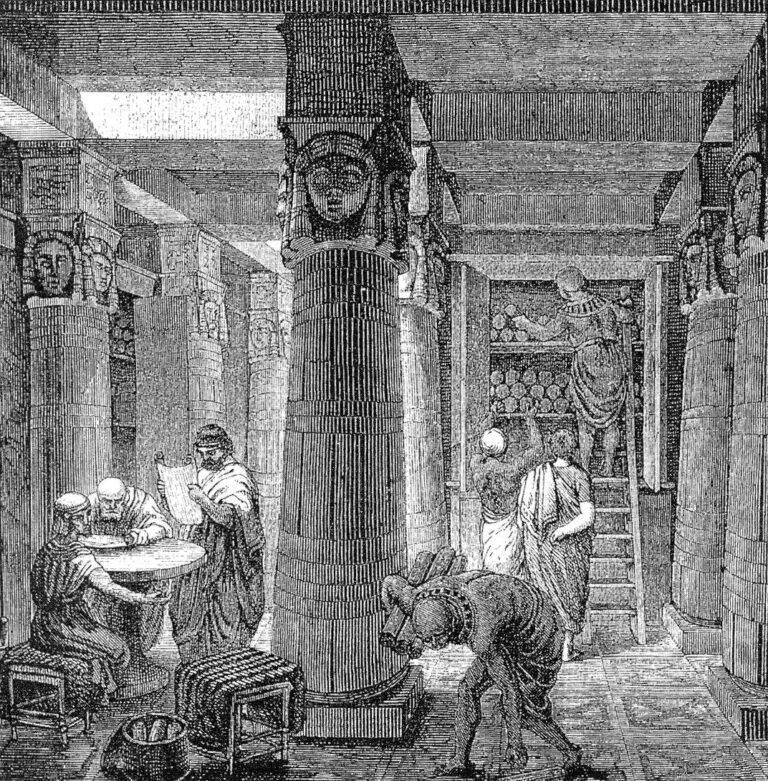 How Was the Library of Alexandria Destroyed? The EvidenceNo single fire is proven to have destroyed the Library of Alexandria. Caesar's blaze, war, the fall of the Serapeum and long neglect are all debated,…8 min read · 7 sources
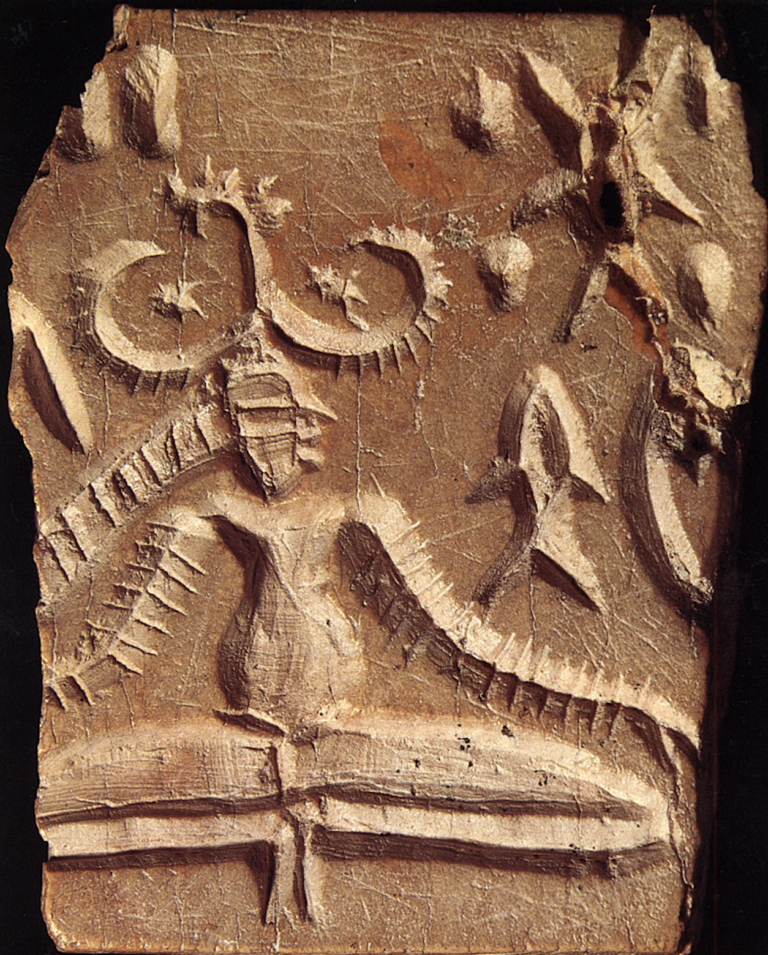 The Indus Valley Civilisation: Why Mohenjo-daro VanishedMohenjo-daro was an Indus city with brick buildings, wells, bathing areas and drainage channels. Its decline after about 1900 BCE is linked to weaker monsoons, shrinking…7 min read · 14 sources
 Ramesses II: Mummy, Tomb, Wives and a 90-Year LifeRamesses II ruled Egypt from 1279 to 1213 BC and reached about 90 years of age. This guide covers his family, his mummy and tomb, the…8 min read · 15 sources
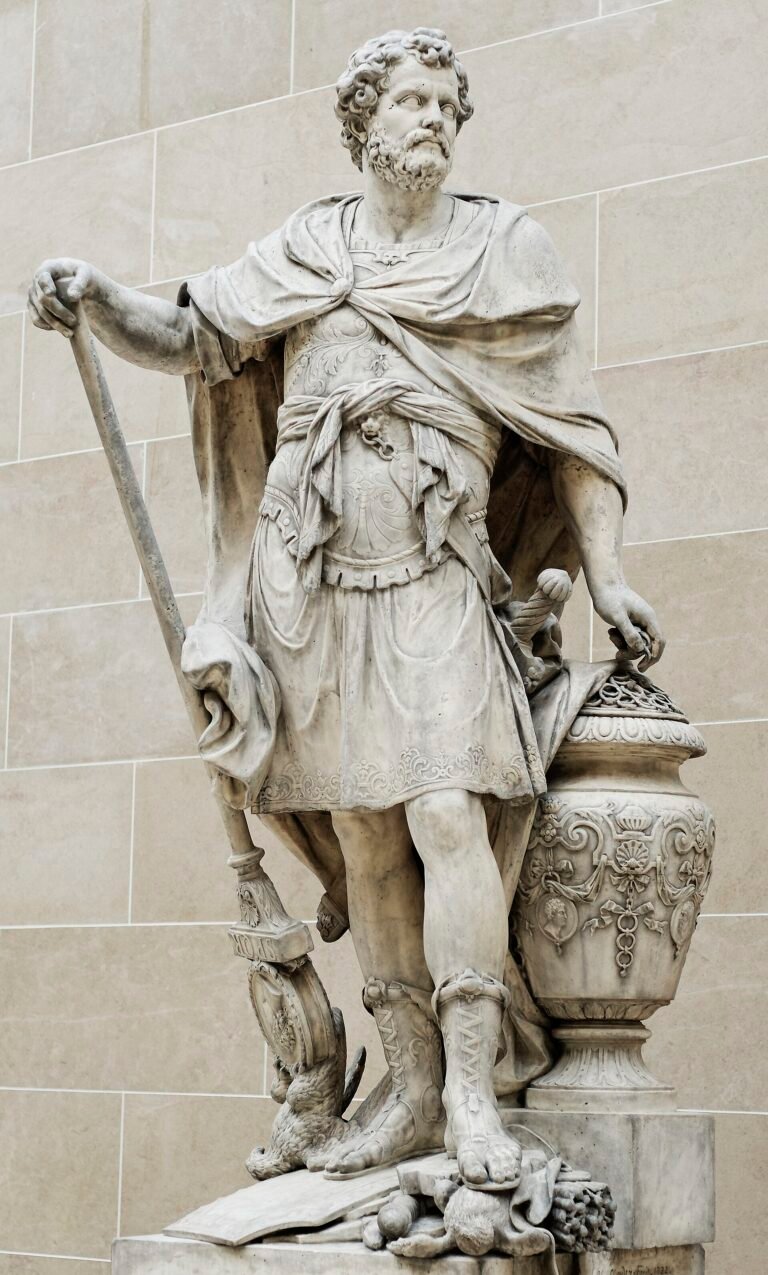 Hannibal Barca: The Carthaginian Who Crossed the AlpsHannibal, the Carthaginian commander, led an army with war elephants over the Alps in 218 BC and crushed Roman forces at Trebia, Trasimene and Cannae. He…7 min read · 11 sources
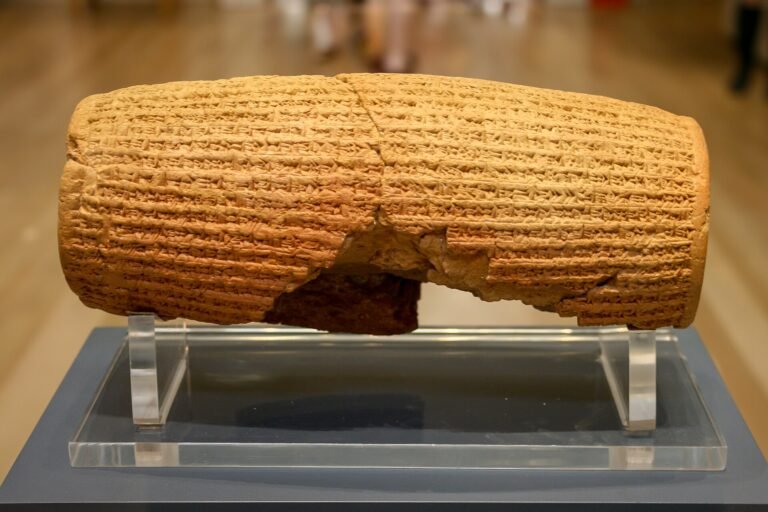 Cyrus the Great and the Cyrus Cylinder: Rights Charter?Cyrus the Great ruled Persia from 559 to 530 BC and brought the Median, Lydian and Babylonian lands under one crown. The Cyrus Cylinder, written after…9 min read · 12 sources
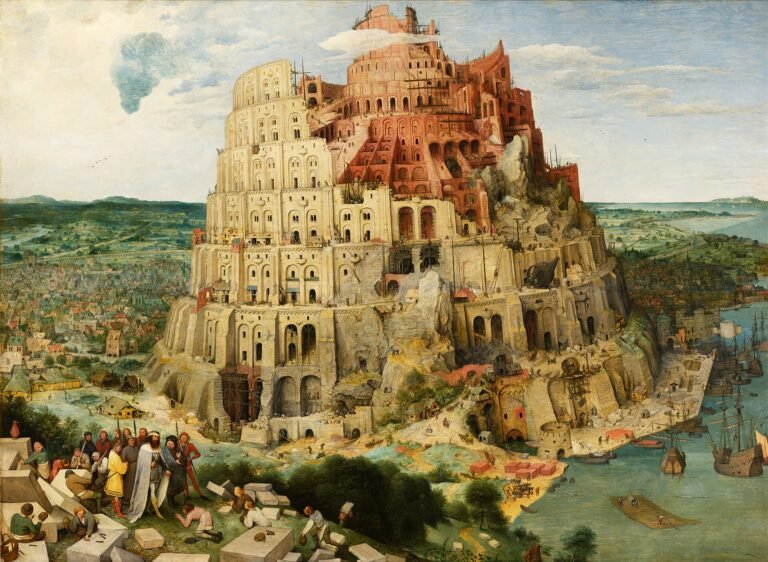 Did the Tower of Babel Really Exist? The Etemenanki ZigguratEtemenanki was a real ziggurat in ancient Babylon, confirmed by ruins and cuneiform texts. Whether it inspired the Tower of Babel in Genesis 11 is a…7 min read · 12 sources
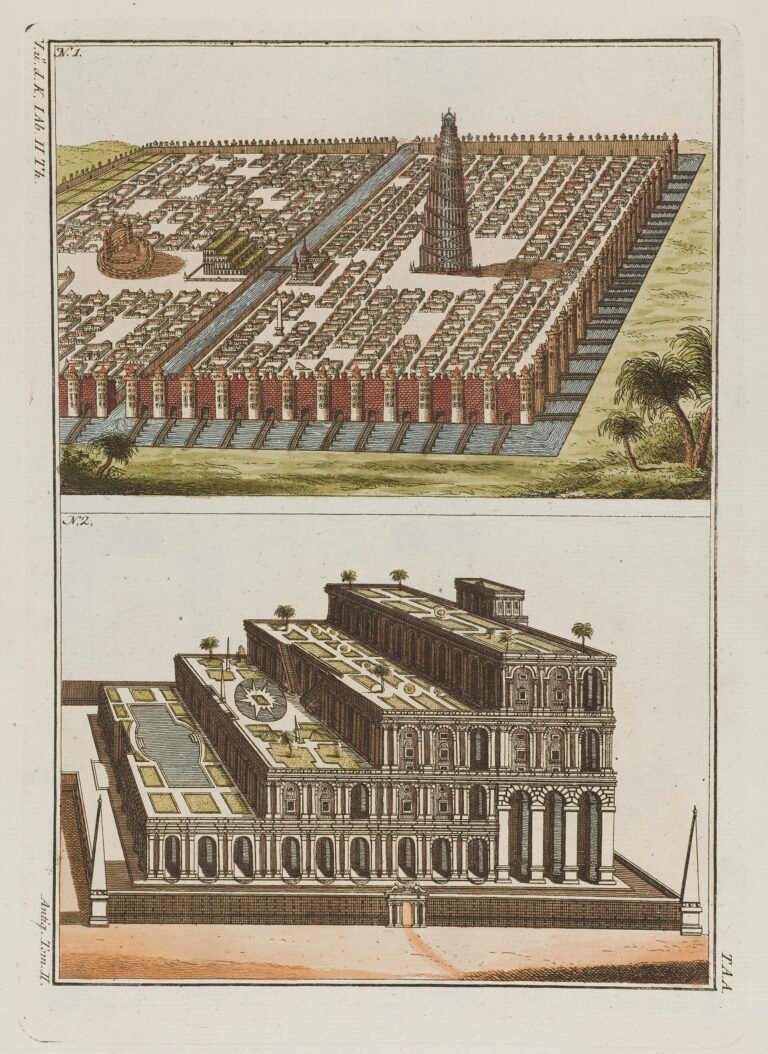 Did the Hanging Gardens of Babylon Really Exist? The EvidenceNo one has proved that the Hanging Gardens existed as the classical writers described them, and no one has fixed their location. The traditional story points…9 min read · 11 sources
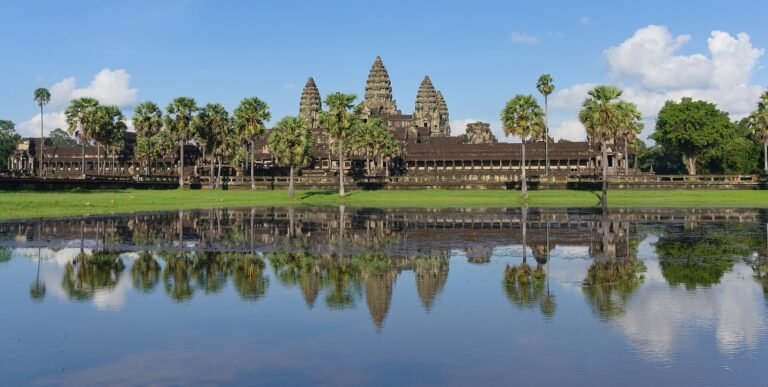 Angkor Wat: Was the Largest Temple Really Lost in the Jungle?Angkor Wat is the world's largest religious complex. It was built for Vishnu in the early 12th century, later became a Buddhist site, and local people…7 min read · 11 sources
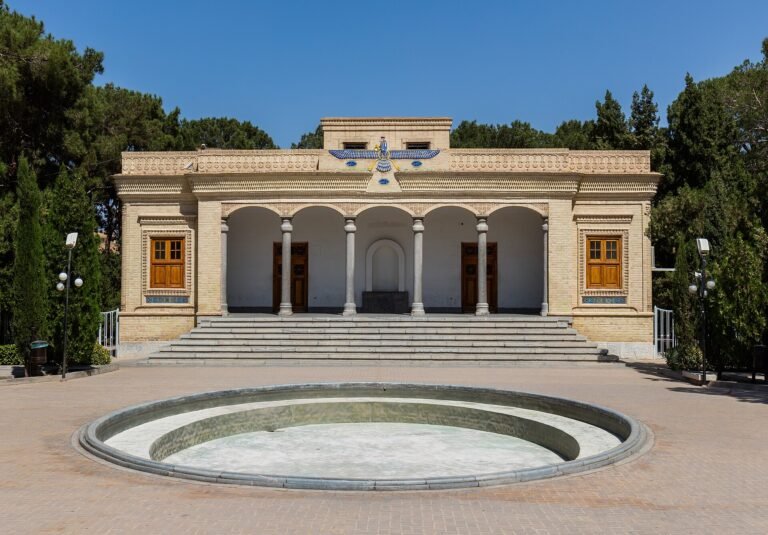 What Is Zoroastrianism? Fire Temples and Freddie MercuryZoroastrianism is an ancient Iranian religion built on the teachings of Zarathustra and the Avesta, and its followers worship Ahura Mazda, not fire. Today its two…6 min read · 12 sources
 Who Were the Sea Peoples? Invaders Who Toppled the HittitesThe Sea Peoples are a modern label for several groups named in Egyptian records from the 13th–12th centuries BC. Egypt's attacks are documented, but the claim…8 min read · 10 sources
 The Antikythera Mechanism: A 2,000-Year-Old Computer ExplainedThe Antikythera Mechanism is a hand-driven bronze gear device from the Hellenistic world that tracked calendar cycles and predicted eclipses, now kept in 82 fragments in…7 min read · 17 sources
 The Truth About the 300 Spartans: What Happened at ThermopylaeIn 480 BC the pass at Thermopylae was defended by a Greek alliance of about 6,000 to 7,000 men, of whom the 300 Spartans were only…6 min read · 10 sources
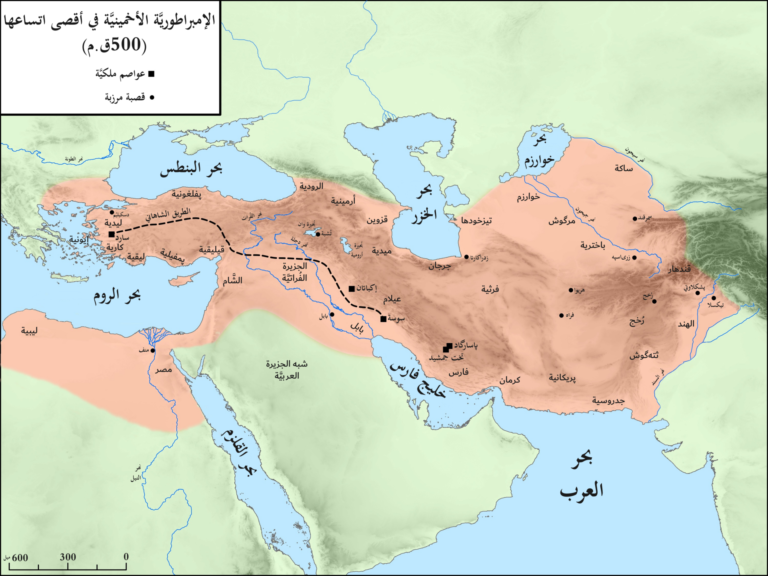 The Persian Empire: From Cyrus to Darius, ExplainedThe Achaemenid Persian Empire began with Cyrus the Great in 550 BC and ended with Darius III in 330 BC, ruling Anatolia from Sardis and Daskyleion.…8 min read · 20 sources
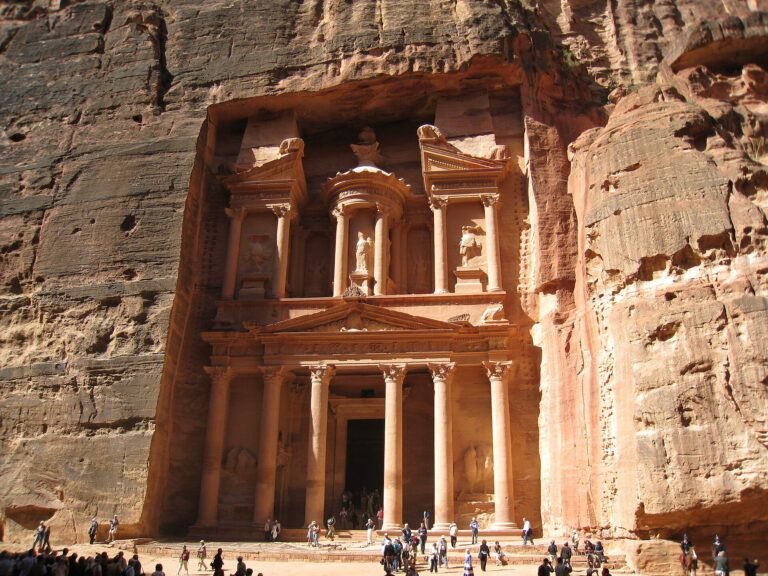 Petra: The Lost Rock-Cut City of the NabataeansPetra, in southern Jordan, was the Nabataean capital that grew on caravan trade and desert water engineering, then lived on under Rome and as a Christian…7 min read · 15 sources
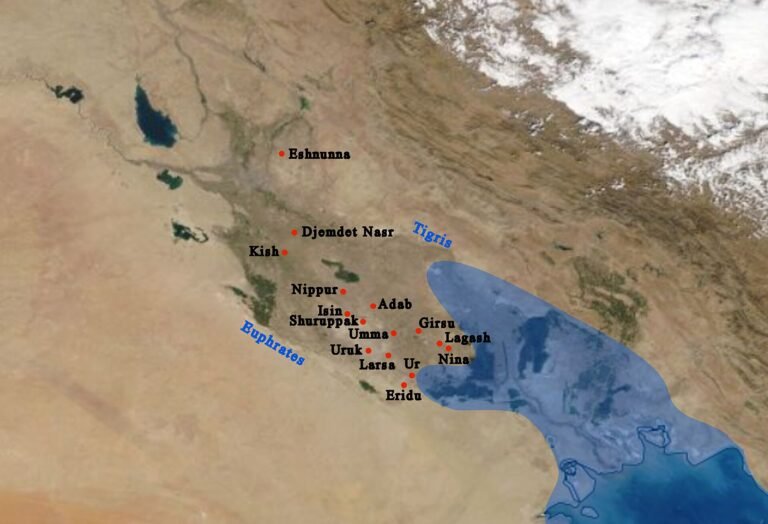 The Sumerians: The Civilization That Invented WritingThe Sumerians built the earliest known cities and writing system in southern Iraq, around Uruk, Ur and Eridu, from the fourth millennium BC until the Third…6 min read · 14 sources
 Stonehenge: Who Raised the Giant Stones and Why?Stonehenge on Salisbury Plain began as an earth monument around 3000 BC, and Neolithic farmers and herders raised its great sarsen and bluestone settings around 2500…8 min read · 17 sources
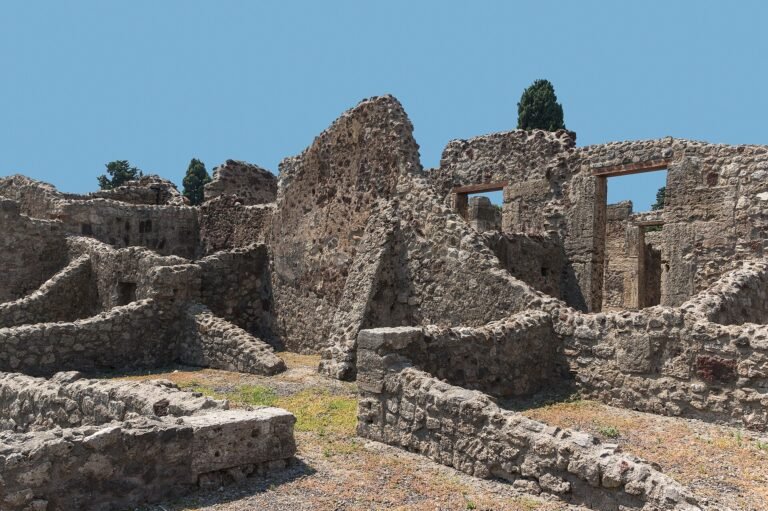 Pompeii: The Roman City Frozen in Vesuvius’s Ash (Visitor Guide)Pompeii is a Roman city in Italy's Campania region that Vesuvius buried under volcanic material in AD 79. This guide covers the eruption, the date debate,…6 min read · 13 sources
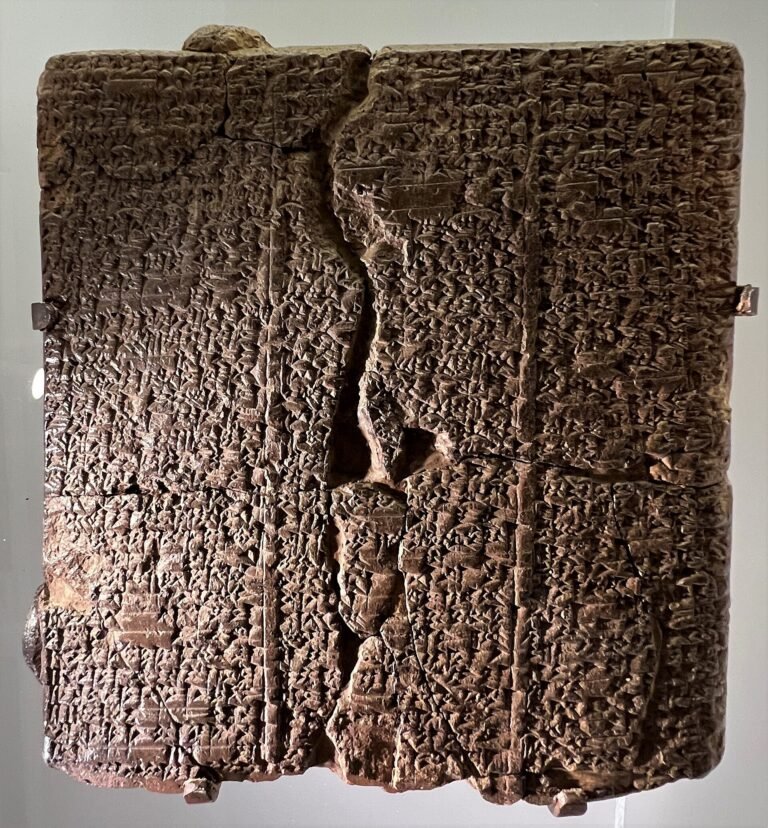 The Epic of Gilgamesh: The Oldest Source of the Flood Story?The Epic of Gilgamesh grew from Sumerian tales into a 12-tablet Akkadian poem about friendship, death and the search for immortality, with the famous flood account…8 min read · 16 sources
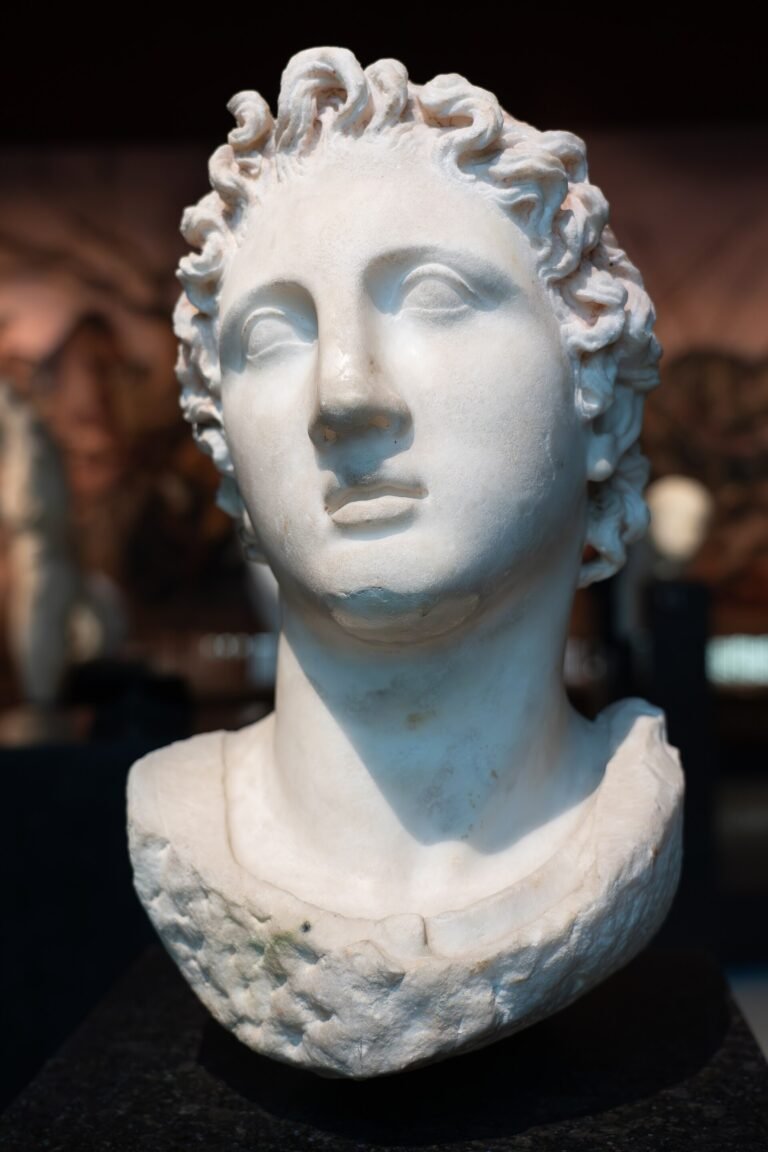 Alexander the Great: The Man Who Conquered the World by 32Alexander III of Macedon took the throne at 20 in 336 BC and built an empire that reached from Macedonia to the border of India before…7 min read · 13 sources
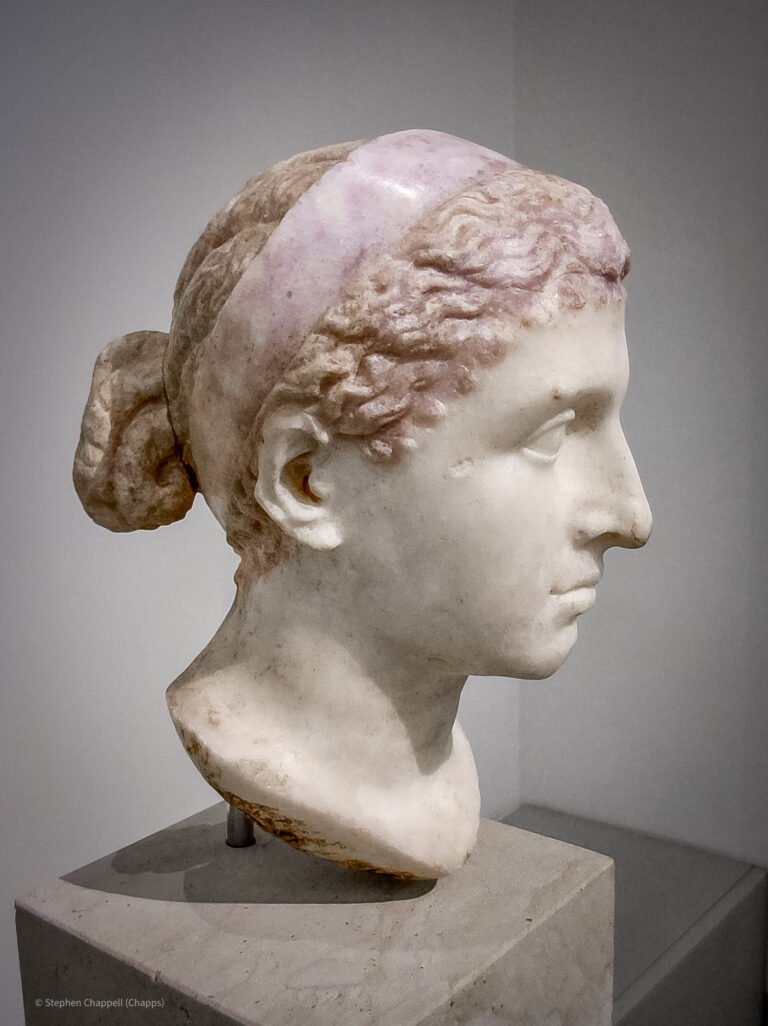 Cleopatra: The True Story of Egypt’s Last Queen (69-30 BC)Cleopatra VII, born in Alexandria in 69 BC, was the last active ruler of the Macedonian Greek Ptolemaic dynasty and the only Ptolemy known to have…8 min read · 10 sources