An approximately 1,600-year-old infant burial at Jauranga in southern Peru reveals skeletal signs of cyclopia and ancient DNA evidence of trisomy 13. Two infants shared a ceramic burial vessel, but genetic analysis showed that they did not have the same mother. The grave also supports a cautious interpretation that the infant with cyclopia was not excluded in death.
How do a single central eye socket, an extra chromosome copy, and the arrangement of two bodies fit together? If you follow the evidence from the skeletons to the DNA and then to the cemetery, the Jauranga burial becomes more than an account of a congenital condition. Each part answers a different question about the infants and their burial.
Where was the Nazca infant burial found?
The burial comes from Jauranga, an archaeological site in the Palpa Valley of southern Peru. Nearby Palpa is the capital of Palpa Province in Peru’s Ica region. This places the discovery within a specific valley and archaeological site, rather than somewhere broadly associated with the Nazca name.
Nazca, also written Nasca, culture developed along Peru’s arid southern coast. Its main geographical setting included the Río Grande de Nazca basin and the Ica Valley. Its approximate chronology runs from 100 BC to AD 800. The relevant graves at Jauranga were dated to AD 325–440, so the familiar description “1,600-year-old” expresses an approximate age.
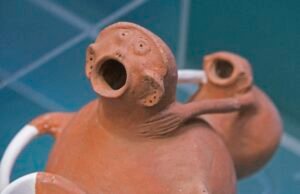
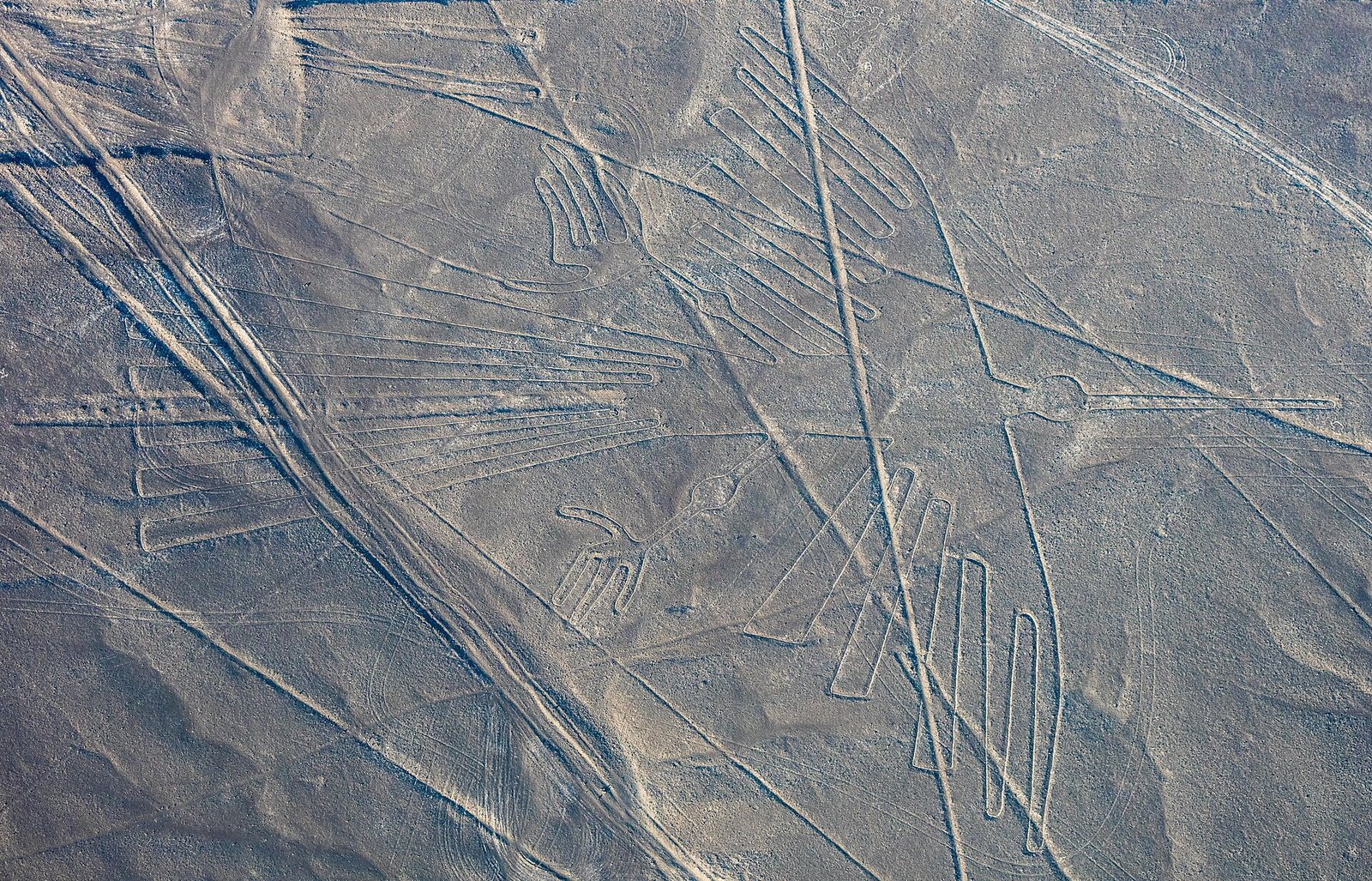
Nazca culture drew strong influences from the earlier Paracas culture in the same region. Its recognized productions include multicolored ceramics, textiles, and geoglyphs made on the desert surface. At Jauranga, ceramic material also forms part of a more intimate archaeological record: the burial of children in vessels.
What did the skeletons and ancient DNA reveal?
Researchers examined two infants identified as JA13A and JA13B. Both had been placed inside the same ceramic vessel. Elsa Tomasto-Cagigao and colleagues presented the combined skeletal and ancient DNA findings in a PNAS study published online on November 9, 2026.
JA13A had a single eye socket in the center of the face. Researchers assessed this feature, together with other skeletal characteristics, as diagnostic evidence of cyclopia, a congenital developmental condition. JA13B showed no skeletal changes comparable to those identified in JA13A.
The ancient DNA supplied another finding. JA13A had an extra copy of chromosome 13, establishing trisomy 13. The study abstract identifies trisomy 13 as the likely cause of the infant’s cyclopia. The wording matters: the chromosome finding was detected, while its relationship to cyclopia was expressed as a likely explanation.
Genetic analysis also identified two X chromosomes in JA13A, consistent with female chromosomal sex. You can therefore separate several findings within the same investigation: the skeleton supported the diagnosis of cyclopia, while DNA identified trisomy 13 and provided evidence about chromosomal sex.
The research team included Elsa Tomasto-Cagigao, Markus Reindel, Johny Isla Cuadrado, Mellisa Lund Valle, Kalina Kassadjikova, Kelly Harkins, and Lars Fehren-Schmitz. Their study brought the skeletal observations and genetic results into a single account of the shared burial.
Why were two infants buried in the same vessel?
The two infants shared a grave, but they did not share the same mother. That genetic result changes how you can interpret their physical closeness. Their placement together establishes a burial association. It does not establish that they were children of the same woman.
There is an everyday parallel here: sharing an address does not, by itself, establish a family relationship. At Jauranga, sharing a ceramic vessel likewise could not answer the question of maternal connection. Genetic analysis supplied that answer and showed that the infants had different mothers.
The arrangement inside the vessel adds another detail. The infant with cyclopia lay at the bottom, with the other girl placed above her. Despite their different positions, Tomasto-Cagigao said that the infants appeared to have been buried in a single burial event.
The study abstract describes ceramic vessel burials for Nazca children as a well-documented funerary practice. Placing two infants in one vessel was unusual in the Nazca context. Researchers nevertheless did not treat that arrangement as evidence that the infant with cyclopia received special treatment.
What does the grave suggest about treatment in death?
The shared burial stood within an ordinary cemetery and contained no special grave goods. These details give the interpretation a concrete setting. The infant with cyclopia was buried alongside another child in a cemetery, within the broader Nazca practice of placing children in ceramic vessels.
Fehren-Schmitz interpreted the grave as suggesting that the infant was not excluded in death. He also stressed that a single case cannot establish the attitudes of Nazca society as a whole. The evidence supports a statement about this burial more securely than a general statement about an entire culture.
For you as a reader, the distinction rests on the grave itself. Its ordinary cemetery location and lack of special offerings support the interpretation of inclusion in death. The unusual shared vessel, meanwhile, was not considered proof of special treatment linked to cyclopia.
Details you won’t find in guidebooks
Jauranga preserves more than the infant burial. Reindel and Isla’s 2013 publication described successive Paracas settlement remains with adobe walls. These lay within stratified deposits more than three meters deep. The site therefore contains evidence of settlement as well as burial.
That excavation assessment recorded 49 Paracas burial contexts and 31 Nazca burials cut into older layers. The figures place the shared infant grave within a site containing multiple burial contexts and a sequence of earlier occupation. The Nazca burials formed part of this layered archaeological setting.
Researchers studying Jauranga combined ceramic classification, stratigraphy, and numerous carbon-14 samples to assess the chronological sequence of Paracas phases. Their approach connected objects with their positions in the deposits and with dating evidence. This earlier work supplies archaeological context for understanding the site where the infants were found.
The shared vessel holds two especially revealing details: the infants had different mothers, and the infant with cyclopia lay beneath the other girl. Together with the apparent single burial event, these observations make the grave more specific than the phrase “an infant burial” suggests.
Timeline
- Around 100 BC: Approximate beginning of Nazca culture.
- AD 325–440: Date range reported for the relevant Nazca graves at Jauranga.
- Around AD 800: Approximate end of Nazca culture in its general chronology.
- 2013: Publication of Reindel and Isla’s assessment of the Paracas settlement and Nazca burials at Jauranga.
- November 9, 2026: Online publication of the PNAS study combining skeletal examination and ancient DNA analysis of the two infants.
FAQ
What does the 1,600-year-old infant burial reveal?
The burial reveals skeletal signs of cyclopia and ancient DNA evidence of trisomy 13 in infant JA13A. Another infant shared the ceramic burial vessel, but genetic analysis showed that they did not have the same mother.
Where was the Nazca infant burial found?
The burial was found at Jauranga in the Palpa Valley of southern Peru. The relevant Nazca graves were dated to AD 325–440.
Did the infant receive special burial treatment?
The shared vessel was unusual, but researchers did not consider it evidence of special treatment for the infant with cyclopia. The grave stood in an ordinary cemetery and contained no special grave goods.
How long did the infant live?
Siân Halcrow suggested that the age estimate could indicate survival for weeks or months. Lars Fehren-Schmitz said that the infant’s lifespan could not be determined.
Sources
- Life Science Network — PNAS study abstract and publication details, Elsa Tomasto-Cagigao and colleagues lifescience.net
- Live Science — Kristina Killgrove, report on the Nazca infant burial livescience.com
- Ancient Herald — Report on the Nasca infant from Peru ancientherald.com
- Pontificia Universidad Católica del Perú, Boletín de Arqueología PUCP — Reindel and Isla’s Jauranga study revistas.pucp.edu.pe
- Wikipedia — Nazca culture en.wikipedia.org
- Wikipedia — Palpa, Peru en.wikipedia.org
Image: Líneas de Nazca, Nazca, Perú, 2015-07-29, DD 55.JPG — Diego Delso, CC BY-SA 4.0