Who was Omar al-Mukhtar?
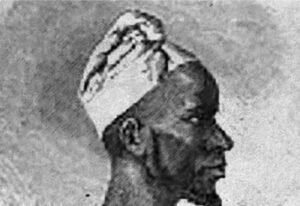
Omar al-Mukhtar was a Quran teacher and Senussi leader who directed resistance to Italian colonial rule in Berka, eastern Libya. His main fighting ground was the mountainous Jebel Akhdar region. He became known as the Lion of the Desert and the Sheikh of the Martyrs. His resistance ended with his capture and execution in September 1931.
If you know him by the name Ömer Muhtar, you are encountering the Turkish form of Omar al-Mukhtar. The Arabic nickname Asad al-Sahra means Lion of the Desert. Behind that name stands a life that connected religious education, teaching, and armed resistance. His work as a Quran teacher belongs in his biography alongside his military leadership.
Where was Omar al-Mukhtar born?
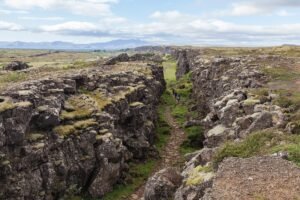
The TDV İslâm Ansiklopedisi places his birth in Butnan, in the Defne district of Berka. He belonged to the Gays family of the Menife tribe. These details locate his beginnings within the region where he would later lead resistance.
His birth year is disputed. English Wikipedia gives 1858, Museum With No Frontiers gives 1861, and the TDV İslâm Ansiklopedisi gives 1862. If you encounter different ages in accounts of his life, these competing dates explain the discrepancy. A precise age at his death depends on which birth year an account follows.
After his father died, Mukhtar grew up under the protection of Hüseyin el-Garyani, the sheikh of the Zenzur lodge. He later spent eight years receiving religious education at the Senussi center in Jaghbub. His upbringing and education therefore connected him to Senussi institutions before his leadership against Italian rule.
Was Omar al-Mukhtar Shia?
Mukhtar belonged to the Senussi movement within the Sunni Islamic tradition. His religious background included eight years of study at Jaghbub, and his profession was teaching the Quran. The answer to the question about his affiliation is Sunni.
For an everyday connection, think of the teacher you associate with lessons and study. Mukhtar’s profession was also teaching, specifically the Quran. That concrete detail helps you picture the person behind the military nickname. The man remembered for directing raids had a working life rooted in religious instruction.
His Senussi connections also mattered during the resistance. Museum With No Frontiers states that popular support and financial assistance from the Senussi organization sustained his struggle. Religious affiliation, organizational support, and leadership thus appear together in the account of his resistance.
How did Omar al-Mukhtar fight Italian colonial rule?
In 1911, Mukhtar formed a force of about 1,000 men from the Ubeyd tribe and joined the fighting against the Italian invasion. This places his participation before his later appointment to lead the resistance. His involvement continued across the withdrawal of Ottoman forces and changes in the resistance’s leadership.
Ottoman forces withdrew following the 1912 Treaty of Uşi. Mukhtar continued resisting in Berka. For readers following the connection with Ottoman history, this is an essential distinction: the departure of Ottoman troops did not end his armed struggle in eastern Libya.
Jebel Akhdar was his principal area of operations. His forces raided Italian outposts, ambushed troops, and cut supply and communication lines. These actions describe the practical work of the resistance. Its operations targeted military positions, the movement of troops, and the connections that supplied them.
In 1923, the Senussi leader Muhammad Idris appointed Mukhtar to direct the anti-colonial resistance in Libya. Museum With No Frontiers records the support that helped him continue. His leadership depended on both popular backing and financial help from the Senussi organization.
Italian authorities sought to sever his ties with the population. They deported part of Jebel Akhdar’s population to concentration camps on the coast. This policy directly targeted the relationship between the resistance and the people supporting it. The camps belong to the history of his struggle as much as the raids and ambushes.
Negotiations also formed part of that history. At the end of October 1929, Mukhtar rejected the accommodation reached with Pietro Badoglio and resumed armed resistance. His final years therefore included an attempted settlement as well as renewed fighting.
What connects his story with Turkey?
The withdrawal after the Treaty of Uşi gives Mukhtar’s biography a direct connection to Ottoman history. His resistance continued after Ottoman forces left in 1912. Following that sequence helps you distinguish the Ottoman military presence from the continuing struggle he led in Berka.
TRT Haber also distinguishes Mukhtar from another Senussi figure, Ahmed Şerif. Ahmed Şerif joined the National Struggle in Anatolia with Mustafa Kemal. Mukhtar remained engaged in fighting the Italians in Libya. These were different people whose activities belonged to different fronts.
What was Omar al-Mukhtar’s cause of death?
Omar al-Mukhtar died by hanging on 16 September 1931 at Suluk concentration camp, south of Benghazi. Earlier that September, he had been wounded and captured by Italian forces during fighting near Slonta. His battlefield capture and his execution were separate events.
His trial took place on 15 September 1931 in the Cyrenaica parliament building in Benghazi. According to the court account presented by Libyan Heritage House, Mukhtar said that attacks he had not personally attended had also been carried out on his orders. The account records his acknowledgment of responsibility as commander.
The execution followed the next day. Libyan Heritage House reports that about 20,000 detained Libyans were forced to watch. Suluk was therefore both the site of his hanging and the place where thousands of prisoners were compelled to witness his death.
Where is Omar al-Mukhtar buried?
Mukhtar’s burial history includes several locations. According to mausoleum director Faraj Najem, he was initially buried in an unmarked grave in Benghazi on Graziani’s orders. This account concerns the burial immediately after his execution.
His remains were moved to a mausoleum in Benghazi in 1960. On 16 September 1981, they were transferred to Suluk. If you are tracing his burial, keep those moves separate from the execution itself: he was hanged at Suluk, initially buried in Benghazi, and later transferred to Suluk.
Details you won’t find in guidebooks
In 1895, Mukhtar traveled with Mahdi al-Senussi from Jaghbub to the village of Taj in Kufra. This journey belongs to his Senussi life before the Italian invasion of 1911. It adds a specific route and date to a biography often centered on his final campaigns.
His fighting experience also preceded the Italian occupation of Libya. He participated in campaigns against French expansion in Chad. His military biography therefore extended beyond the confrontation with Italian forces in Jebel Akhdar.
After his capture, he traveled from Bardia to Benghazi aboard the Italian destroyer Vincenzo Giordano Orsini. This transfer took place before his trial. The ship connects the account of his captivity with the court proceedings held in Benghazi.
Timeline
- 1858 / 1861 / 1862: Competing dates for his birth in eastern Libya.
- 1895: Traveled with Mahdi al-Senussi to Taj in Kufra.
- 1911: Joined resistance to the Italian invasion with about 1,000 men from the Ubeyd tribe.
- 1912: Continued resisting after Ottoman forces withdrew following the Treaty of Uşi.
- 1923: Muhammad Idris appointed him to lead the resistance.
- Late October 1929: Rejected the accommodation with Badoglio and resumed armed struggle.
- September 1931: Wounded and captured near Slonta.
- 15 September 1931: Tried in Benghazi.
- 16 September 1931: Executed by hanging at Suluk concentration camp.
- 1960: His remains were transferred to a Benghazi mausoleum.
- 16 September 1981: His remains were transferred to Suluk.
Omar al-Mukhtar movie: Lion of the Desert
In the 1981 film Lion of the Desert, Anthony Quinn portrayed Omar al-Mukhtar during the final years of his struggle against Rodolfo Graziani’s forces.
FAQ
Where was Omar al-Mukhtar born?
The TDV İslâm Ansiklopedisi identifies his birthplace as Butnan, in the Defne district of Berka in eastern Libya. Sources give different birth years: 1858, 1861, and 1862.
What was Omar al-Mukhtar’s cause of death?
He was executed by hanging at Suluk concentration camp, south of Benghazi, on 16 September 1931.
Was Omar al-Mukhtar Shia?
He belonged to the Senussi movement within the Sunni Islamic tradition.
Where is Omar al-Mukhtar buried?
His remains were transferred to Suluk on 16 September 1981, following an earlier transfer to a mausoleum in Benghazi in 1960.
Sources
- Museum With No Frontiers — Omar al-Mukhtar sharinghistory.museumwnf.org
- TDV İslâm Ansiklopedisi — ÖMER el-MUHTÂR islamansiklopedisi.org.tr
- English Wikipedia — Omar al-Mukhtar en.wikipedia.org
- Libyan Heritage House — The Trial of Omar Al Mukhtar libyanheritagehouse.org
- Libyan Heritage House — The Execution of Omar Al Mukhtar libyanheritagehouse.org
- Libyan Heritage House — The Burial of Omar Al Mukhtar libyanheritagehouse.org
- TRT Haber — Çöl Aslanı’nın idamının üzerinden 90 yıl geçti trthaber.com
Image: Birthplace of Omar Mukhtar – panoramio.jpg — Mujaddara, CC BY-SA 3.0