What did Turkey’s 1982 constitutional referendum decide?
On Sunday, 7 November 1982, Turkey held its second referendum. Voters approved a new constitution with 91.37% of valid votes. Its acceptance also gave Kenan Evren a seven-year presidency. The ballot therefore settled both a constitutional question and who would occupy the presidency under the new arrangements.
If you are studying Turkey’s passage from military rule to a new political order, this vote is a central event. The armed forces had seized power on 12 September 1980 and dissolved parliament. The constitution approved in 1982 established the framework for the parliamentary elections that followed in 1983.
The transition extended beyond referendum day. Parliament met on 24 November 1983, and its Presidency Board was formed on 6 December. Transitional constitutional provisions kept the National Security Council in place until that board existed. They also provided a further institutional role for the council afterward.
Who prepared the constitution after the military takeover?
The Turkish Armed Forces took control under Kenan Evren on 12 September 1980. Parliament was dissolved. The body later responsible for preparing the constitution therefore emerged after the removal of the existing parliament.
Law No. 2485, dated 29 June 1981, established the Constituent Assembly’s structure. It consisted of the National Security Council and the Consultative Assembly. All 160 members of the Consultative Assembly were appointed by the National Security Council.
A 15-member Constitutional Commission chaired by Orhan Aldıkaçtı prepared the draft. It submitted its text to the Consultative Assembly on 30 July 1982. On 23 September, that assembly accepted a version containing 193 articles and 11 provisional articles.
The National Security Council then accepted the text to be submitted to voters on 18 October. That version contained 177 articles and 15 provisional articles. The two stages produced different texts, including a larger number of provisions governing the transition.
The referendum text appeared in the Official Gazette on 20 October 1982, in issue No. 17844. When you follow the drafting process, distinguish this publication from the constitution’s publication after approval. The latter took place on 9 November and marked its entry into force.
How was the referendum organized?
Law No. 2707, adopted on 24 September 1982, placed the referendum under the administration and supervision of the Supreme Election Council. The same law defined practical voting arrangements and the rules governing the presentation of the constitution to the public.
Article 5 stated that the provisions of Election Law No. 298 concerning freedom of campaigning would not apply to this referendum. From 25 October, the National Security Council had authority to determine how the constitution would be introduced to the public. These rules form part of the context for reading the result.
The law also prescribed the ballot colors: white meant acceptance, and blue meant rejection. Here is an everyday-life connection you can picture: choosing a piece of paper and putting it into an envelope carried a precise legal meaning. In this vote, that meaning depended on the paper’s color, as set out in the referendum law.
Participation carried legal consequences too. Registered voters who failed to take part without an accepted excuse faced a five-year prohibition on voting in elections and referendums. They also faced a prohibition on standing as candidates in elections during that period.
What were the results?
There were 20,690,914 registered voters, and 18,885,488 people voted. Turnout reached 91.27%. This participation figure measures how many registered voters cast ballots; it is separate from the percentage supporting the constitution.
The constitution received 17,215,559 yes votes, or 91.37% of valid votes. Rejection received 1,626,431 votes, or 8.63%. Keeping turnout and approval separate helps you read the figures accurately: 91.37% refers to valid votes, rather than to all registered voters.
The constitution entered into force through publication on 9 November 1982. It appeared in the supplementary Official Gazette issue No. 17863. The referendum on 7 November and the publication on 9 November were distinct steps in its adoption.
How did approval make Kenan Evren president?
Provisional Article 1 linked constitutional approval directly to the presidency. Once acceptance was officially announced, Kenan Evren acquired the title of president for seven years. The constitutional ballot thus also determined his presidential term through a provision within the approved text.
The same article carried forward an earlier oath. Evren had sworn it as head of state on 18 September 1980. Under Provisional Article 1, that oath remained valid during his presidency. The provision connected his position under military rule with his office under the constitution.
Provisional Article 2 established another bridge between the two periods. The National Security Council would continue its duties until parliament’s Presidency Board was formed after the first general election. Its continuation therefore depended on a specified parliamentary milestone.
After parliament began work, the constitutional arrangement provided for the National Security Council to become the Presidential Council for six years. The transition gave the military governing body’s members a continuing institutional position within the new order.
What political restrictions continued into the new order?
Provisional Article 4 imposed different restrictions on categories of former politicians covered by its terms. Former party officials faced ten-year political bans. Deputies and senators faced five-year bans. The constitution therefore set different periods for different groups.
Provisional Article 9 also shaped constitutional change during the transition. For six years after the first parliamentary Presidency Board was established, an amendment returned by the president required a three-quarters majority to pass again unchanged. This created a specific threshold for overcoming a presidential return.
The first parliamentary general election under the new constitution took place on 6 November 1983. Parliament assembled on 24 November. Its Presidency Board was formed on 6 December, reaching the milestone specified for ending the National Security Council’s continuing duties.
The restrictions in Provisional Article 4 did not remain for their full original periods. A separate referendum on 6 September 1987 removed those political bans. That later vote addressed restrictions embedded in the constitutional settlement approved in 1982.
Timeline
- 12 September 1980: The Turkish Armed Forces seized power and dissolved parliament.
- 29 June 1981: Law No. 2485, bearing this date, defined the Constituent Assembly’s structure.
- 30 July 1982: The Constitutional Commission submitted its draft to the Consultative Assembly.
- 23 September 1982: The Consultative Assembly accepted the constitutional draft.
- 24 September 1982: Law No. 2707 governing the referendum was adopted.
- 18 October 1982: The National Security Council accepted the referendum text.
- 20 October 1982: The text appeared in the Official Gazette.
- 7 November 1982: Voters approved the constitution with 91.37% of valid votes.
- 9 November 1982: The constitution entered into force.
- 6 November 1983: The first parliamentary general election under the new constitution took place.
- 24 November 1983: Parliament assembled after the election.
- 6 December 1983: Parliament’s Presidency Board was formed.
- 6 September 1987: A separate referendum removed the political bans in Provisional Article 4.
Details you won’t find in guidebooks
The referendum law addressed an unusual counting situation. If an envelope contained several ballots of the same type, they counted as one valid vote. Multiple identical papers inside one envelope therefore did not automatically invalidate that vote or create additional votes.
Weather also entered the official account of the result. The Supreme Election Council’s decision of 9 November 1982 discussed 730 ballot boxes whose results had not arrived because of weather conditions. These boxes represented a maximum of 219,000 votes.
The council stated that the outcome would remain unchanged even if every one of those votes rejected the constitution. This detail explains why the outstanding returns could not overturn acceptance. It also distinguishes the result’s decisive margin from the practical problem of receiving every return.
FAQ
When did Turkey hold its 1982 constitutional referendum?
The referendum took place on Sunday, 7 November 1982. It was the second referendum in Turkey’s history.
What was the result of the referendum?
The constitution passed with 17,215,559 yes votes, representing 91.37% of valid votes. No votes totalled 1,626,431, or 8.63%.
How did the referendum make Kenan Evren president?
Provisional Article 1 provided that the official announcement of the constitution’s approval would give Kenan Evren the presidency for seven years.
When were the constitution’s political bans lifted?
The political bans under Provisional Article 4 were lifted through a separate referendum on 6 September 1987.
Sources
- Vikipedi — 1982 Türkiye anayasa referandumu tr.wikipedia.org
- Wikipedia — 1982 Turkish constitutional referendum en.wikipedia.org
- TBMM — 1982 Anayasası Genel Bilgiler tbmm.gov.tr
- TBMM — 2707 sayılı Anayasanın Halkoyuna Sunulması Hakkında Kanun www5.tbmm.gov.tr
- TBMM — Halk Oylamasına Doğru tbmm.gov.tr
- TBMM — 1982 Anayasası İlk Metin tbmm.gov.tr
- YSK — 6 Kasım 1983 Milletvekili Genel Seçimi Sonuçları ysk.gov.tr
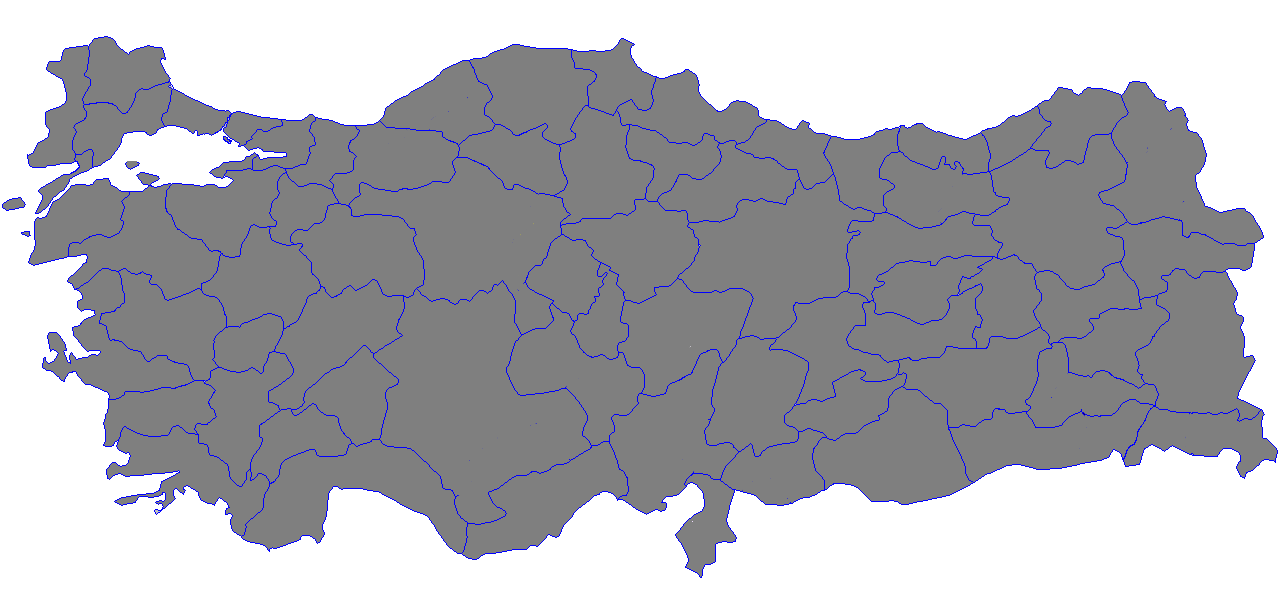
Image: 1982 Türkiye referandum haritası.png — Atcan, CC BY-SA 4.0