The Second Boer War began because Britain’s ambition to unite South Africa under its flag collided with the independence of Transvaal and the Orange Free State, with gold mining and Uitlander rights increasing tensions. Between 11 October 1899 and 31 May 1902, Britain defeated the republics through imperial reinforcements, captured capitals, fortified barriers, rural destruction and civilian internment.
Capturing Pretoria in June 1900 did not end the fighting: Boer forces continued through guerrilla warfare. If you follow the conflict from gold mines to rural camps and the peace treaty, you can see why taking territory and securing surrender were different military tasks.
Why did tensions between Britain and the Boer republics become a war?
British involvement at the Cape began well before the gold discoveries. Britain occupied it in 1795 to control the sea route east and took it again in 1806. Control of the Cape therefore belonged to a longer struggle over territory and imperial power.
From 1835, about 14,000 settlers of Dutch descent moved inland over roughly a decade. British rule, shortages of land and the abolition of slavery helped drive this Great Trek. These movements form part of the background to the later confrontation over Boer independence.
In the First Boer War of 1880–1881, Transvaal Boers resisted British annexation and inflicted several defeats on British forces. By 1899, Britain sought to bring all South Africa under its flag. Transvaal and the Orange Free State sought to preserve their independence. Those aims directly conflicted.
Negotiations between Paul Kruger and British High Commissioner Alfred Milner began at Bloemfontein on 30 May 1899 but produced no agreement. On 9 October, Transvaal issued an ultimatum demanding the withdrawal of British troops. Its rejection brought war on 11 October. Boer forces attacked Cape and Natal on 12 October.
How did gold mining and the Uitlander question increase tensions?
The discovery of gold in Transvaal in 1886 drew many English-speaking Uitlanders. Their arrival increased the Boer government’s concern for its independence. The political question concerned who could participate in governing a republic whose gold industry was attracting newcomers.
Voting rules gave that dispute a precise form. Transvaal’s 1890 legislation required 14 years of residence for participation in presidential and first Volksraad elections. For the second Volksraad, two years of citizenship were sufficient. These were different routes to political participation, rather than one uniform restriction.
Mining costs also divided Kruger’s government and the Chamber of Mines. Government concessions in railway transport and dynamite production raised costs. You can connect this to an everyday budget: transport charges affect the final bill. Here, railway charges formed part of a dispute between a major industry and the government.
The failed Jameson Raid of 1896 aimed to provoke an Uitlander uprising. It further damaged relations between Britain and the Boer governments. Gold, political rights and the raid sharpened a conflict already rooted in opposing ambitions for South Africa.
How did Britain overcome the Boer republics militarily?
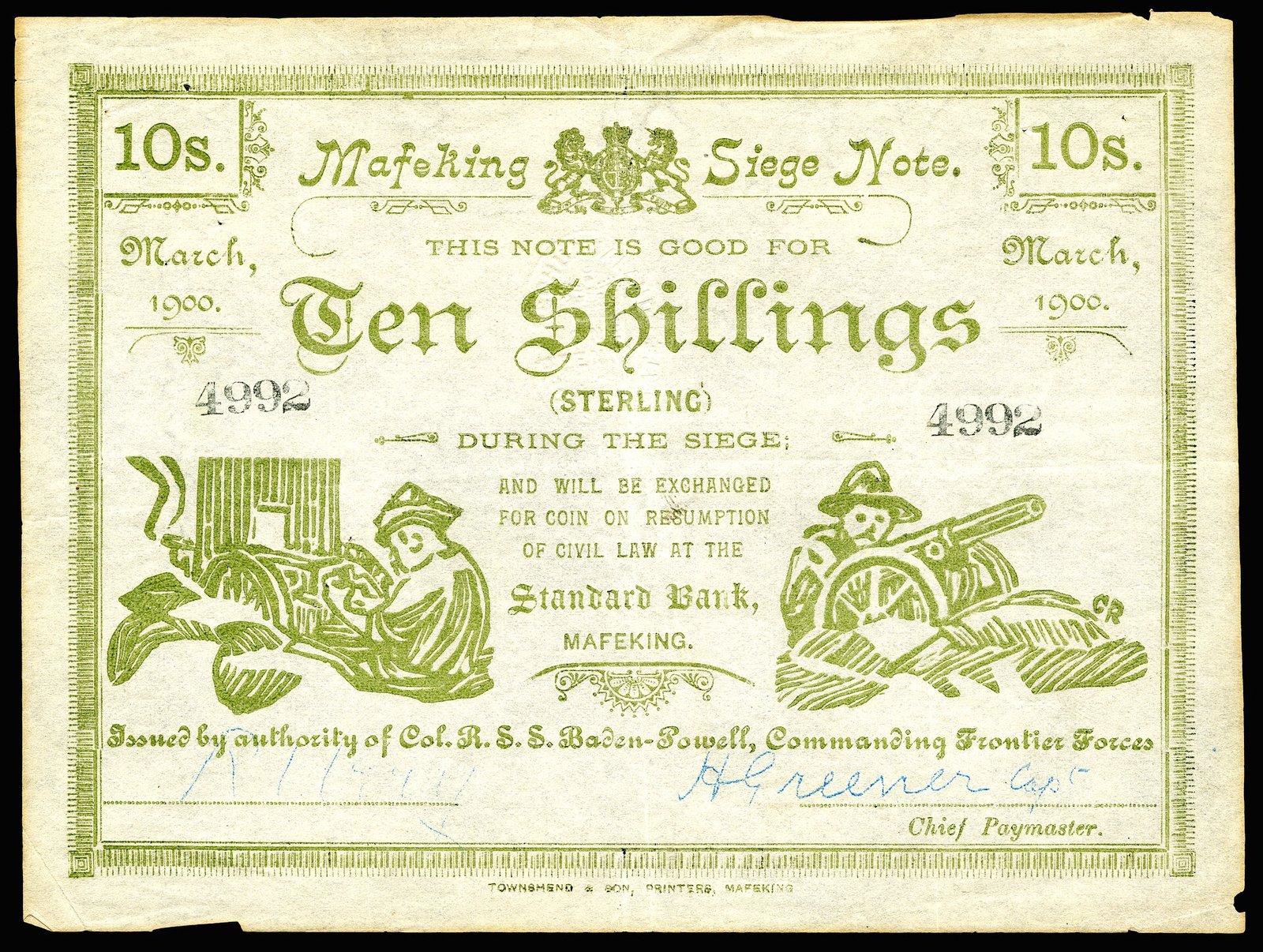
Britain suffered important early defeats. During Black Week, from 10 to 15 December 1899, Boer forces defeated British troops in major battles. They were also besieging Ladysmith, Mafeking and Kimberley. The opening campaigns gave Britain no quick victory.
Britain expanded its forces with reinforcements from imperial territories, including Canada and Australia. Across the war, it mobilised more than 400,000 troops. Lord Roberts’s forces captured Bloemfontein on 13 March 1900 and Pretoria, Transvaal’s capital, on 5 June.
The Boer response was already changing before Pretoria fell. At Kroonstad on 17 March 1900, a Boer war council adopted a guerrilla strategy. Small, mobile units would attack British transport and communications. The loss of capitals therefore did not end organised resistance.
Britain answered guerrilla mobility with small, permanently garrisoned fortifications. Telephone connections and barbed wire linked these posts. Their purpose was to restrict Boer movement. This system accompanied the destruction of rural settlements and the removal of civilians into camps.
How did guerrilla warfare, scorched-earth tactics and camps affect civilians?
British scorched-earth operations wholly or partly destroyed approximately 30,000 Boer farmhouses and more than 40 towns. Women and children were forcibly taken to camps. Rural destruction and civilian confinement became central features of the struggle against the guerrillas.
The National Army Museum records approximately 28,000 Boer deaths in concentration camps, mostly women and children. Food, water, shelter and health conditions were inadequate. You cannot assess the British victory solely through the capture of Bloemfontein and Pretoria: civilian deaths also belong to its explanation.
Emily Hobhouse publicised camp conditions in 1901. The Fawcett Commission investigated between August and December that year and substantially confirmed her findings. The conditions exposed by Hobhouse were therefore also examined through an official commission.
The figure of approximately 28,000 concerns Boer camp deaths. Black civilians were confined separately, under arrangements that included labour demands. Their experiences require their own examination, including a separate discussion of the death toll.
Why must Black African experiences be examined separately?
Black Africans participated in the war in several roles. At least 15,000 served the British in armed duties. Both sides also employed Black Africans in work such as driving wagons. An account limited to British soldiers and Boer commandos leaves out these forms of participation.
Britain placed Black and white civilians in separate camps. In Black camps, people considered able to work were expected to provide labour in exchange for food. Labour obligations therefore formed part of the camp system alongside confinement.
The death figures need careful wording. The official minimum for Black camps is 14,154. Drawing on cemetery investigations and incomplete records, Garth Benneyworth estimates at least 20,000 deaths. The official minimum and the higher estimate are distinct measures; neither should be presented as a complete, settled count.
Political exclusion continued into the peace settlement. Article 8 of the Treaty of Vereeniging postponed the decision on Black African voting rights until after self-government. Black participation in the war did not produce an immediate commitment to voting rights in the treaty.
Details you won’t find in guidebooks
Boer loyalties could divide families. Piet de Wet, brother of Boer commander Christiaan de Wet, joined the British side. He belonged to the Boers known as “joiners.” The brothers’ opposing positions show why Boer identity cannot be treated as a guarantee of wartime allegiance.
At Boschhoek camp, approximately 1,700 people, mostly Basotho, held a protest meeting on 22 January 1901. They protested over food and the failure to compensate them for confiscated property. This was a specific act of protest by people living within the camp system.
Camp labour also connected with mining. When a gold mine reopened on the Rand on 4 May 1901, the Witwatersrand Native Labour Association received permission to recruit workers from concentration camps. Gold mining thus appears in the history of both the prewar dispute and wartime labour.
The Treaty of Vereeniging was signed somewhere other than the town whose name it carries. Its signing took place at Melrose House in Pretoria on 31 May 1902. If you follow the treaty through place names, distinguish its name from its signing location.
Timeline
- 1795 and 1806: Britain first occupied the Cape, then took it again.
- 1835–1840s: Boer settlers moved inland during the Great Trek.
- 1880–1881: Transvaal resisted British annexation in the First Boer War.
- 1886: Gold discoveries accelerated Uitlander immigration.
- 1896: The Jameson Raid failed.
- 30 May 1899: The Bloemfontein Conference began without producing agreement.
- 9–11 October 1899: Transvaal issued its ultimatum; war followed its rejection.
- 10–15 December 1899: Britain suffered major defeats during Black Week.
- 13 March–5 June 1900: British forces captured Bloemfontein and Pretoria.
- 1900–1902: Guerrilla warfare, rural destruction and camps shaped the conflict.
- 1901: Hobhouse’s disclosures and the Fawcett Commission exposed camp conditions.
- 31 May 1902: The Treaty of Vereeniging ended the war.
- 1910: Four colonies united in the Union of South Africa.
What changed with the Treaty of Vereeniging?
Article 1 required Boer forces to surrender their weapons and recognise Edward VII as their lawful sovereign. This ended the republics’ independence. Article 2 provided for overseas Boer prisoners to return home once transport and subsistence permitted, if they accepted British subjecthood.
Article 7 promised a transition from military to civilian government in Transvaal and the Orange River Colony. Self-government would follow when conditions allowed. Article 10 provided £3 million to help people unable to support themselves because of wartime losses resettle and resume production.
The settlement combined Boer surrender, promised political change and reconstruction assistance. It also deferred Black African voting rights. In 1910, Cape, Natal, Transvaal and Free State united as the Union of South Africa, creating a political structure that excluded the Black majority from power.
FAQ
Why did the Second Boer War begin?
Britain wanted to unite South Africa under its flag, while Transvaal and the Orange Free State sought to preserve their independence. Gold mining, Uitlander political rights and failed negotiations intensified that conflict.
How did Britain defeat the Boer republics?
Britain mobilised more than 400,000 troops during the war and captured both republican capitals. It then restricted guerrilla movement with fortified posts and barbed wire, destroyed rural settlements and confined civilians in camps.
How many people died in the civilian camps?
The National Army Museum gives approximately 28,000 Boer deaths, mostly women and children. For Black camps, the official minimum is 14,154 deaths, while Garth Benneyworth estimates at least 20,000.
What did the Treaty of Vereeniging change?
It ended Boer independence and required Boer forces to surrender their weapons and recognise Edward VII. It promised a transition towards self-government but postponed the decision on Black African voting rights.
Sources
- Türkçe Vikipedi — İkinci Boer Savaşı tr.wikipedia.org
- South African Government — History gov.za
- Martin Marix Evans — Encyclopedia of the Boer War sahistory.org.za
- English Wikipedia — Second Boer War en.wikipedia.org
- Anglo-Boer War Museum — Introduction to War wmbr.org.za
- National Army Museum — Boer War nam.ac.uk
- Anglo-Boer War Museum — Concentration Camps wmbr.org.za
- South African History Online — Black Concentration Camps during the Second Anglo-Boer War, 1900–1902 sahistory.org.za
- South African History Online — Peace Treaty of Vereeniging: Transcript sahistory.org.za
Image: SA-S654b-Boer War-Mafeking-10 Shillings (1900).jpg — National Museum of American History, Public domain