Oghuz Turks origin: from Yedisu to the Aral Sea
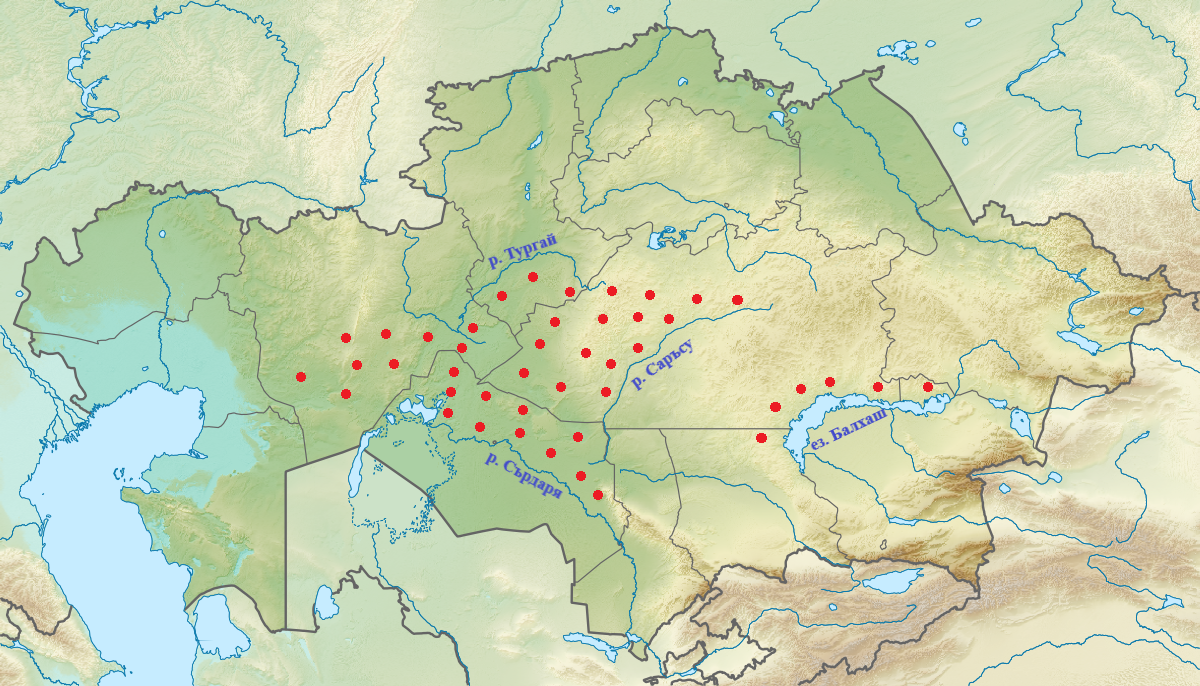
The 24 tribes did not begin in Anatolia. The Oghuz confederation’s westward route ran from the Yedisu region to the lands around the Aral Sea. In the 9th century Oghuz groups pressed on the Pechenegs living around the Emba and Ural rivers and pushed them west.
Arab sources of the 10th to 12th centuries name a capital for this Oghuz political center: Dzhankent, in the lower Syr Darya basin in today’s Kazakhstan. A University of Tübingen excavation project funded by the DFG is working on the site. If you want to stand where the Oghuz story begins, this is the place, not a Turkish province.
Who wrote down the 24 Oghuz tribes
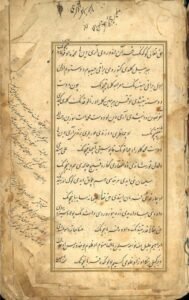
In the 11th century Mahmud al-Kashgari stated that the Oghuz had 24 tribes. He then listed only 22 names. The complete list of 24 appears later, in the early 14th century, in Rashid al-Din’s Jami’ al-tawarikh.
Rashid al-Din’s tradition splits the tribes into two wings of twelve. The Bozok wing holds Kayı, Bayat, Alkaevli, Karaevli, Yazır, Dodurga, Döğer, Yaparlı, Avşar, Beydili, Kızık and Karkın. The Üçok wing holds Bayındır, Peçenek, Çavuldur, Çepni, Salur, Eymir, Alayuntlu, Yüreğir, İğdir, Büğdüz, Yıva and Kınık.
One caution before you memorize the two wings. Epic tradition ties the Bozok–Üçok split to Oghuz Khan. Kashgari never uses these names. The historian Tufan Gündüz suggests the division may have entered the narratives later, as a result of political developments.
Oghuz Turks map: Kayı, Kınık and Bayındır
Each name in the list stands for scattered communities, not one block of territory. The Ottoman tax registers of the 16th century are the best guide to where those communities lived.
Kayı. In the 16th century the large Kayı communities lived in Konya, Denizli and Menteşe. Settlements named Kayı spread further, into the sancaks of Kütahya, Çankırı, Kastamonu, Bolu and Hamîd-ili. The Ottoman dynasty’s claim of Kayı descent is a separate question. Faruk Sümer notes the link may have been constructed by Yazıcıoğlu Ali, a historian of Murad II’s reign. He also considers a real Kayı affiliation possible.
Kınık. The Seljuk dynasty came from the Kınık. The tribe’s Çukurova branch took land between the Ceyhan River and the Nur Mountains after the conquests of the 14th century.
Bayındır. Bayındır groups were spread wide and counted in different units. The Tarsus branch numbered more than 4,000 people in 1519. In 1570 the Aleppo branch counted 250 tents and the Yeni İl branch south of Sivas 235 tents.
The other Bozok tribes and where they settled
- Bayat: settled in and around Yozgat in the early 15th century. The section that wintered in northern Syria was called the Şam Bayatı.
- Yazır: of 24 Yazır villages recorded in 16th-century Anatolia, five lay in Hamîd-ili around Isparta and Burdur. Others stood in Erzurum, Sivas, Kayseri, Aksaray, Ankara and Aydın.
- Dodurga: of about 24 settlements tied to the name in 16th-century registers, seven were in the Bolu sancak and five in Kastamonu.
- Döğer: held a beylik around Ca’ber Castle in northern Syria in the second half of the 14th century. Sâlim Bey led it in 1371.
- Avşar: forced to settle in 1865 by the Fırka-i Islâhiyye. Their main settlement areas became Pınarbaşı, Tomarza and Sarız near Kayseri.
- Beydili: in 1690–1691 the Beydili communities were ordered to settle on the banks of the Belih River, in the zone from Akçakale to Rakka.
- Kızık: between 1640 and 1648 the settled Oturak Kızık were registered in the city of Antep and in nearby villages such as Oğurca, Damlalıca, Çay Kuyu, Kara Dinek, Üç Kilise and Taşlıca.
- Karkın: in the 16th century their main groups lived among the Aleppo Turkmens around Antep, within the Dulkadırlı people, and in the Eğirdir district of Hamîd-ili.
- Karaevli: Faruk Demirtaş’s 1949 study found two Karaevli villages in Sivas and one village of the same name in Kastamonu in the registers.
- Alkaevli and Yaparlı: Faruk Sümer’s table of tribal place names gives no 16th-century count for Yaparlı, or for Alkaevli, which he lists under the name Alkabölük.
The other Üçok tribes and where they settled
- Çepni: under Selim I they were concentrated between Giresun, Kürtün and Vakfıkebir. The western part of this zone was called Vilâyet-i Çepni.
- Salur: settled in Iran between Kendüman and Kuhgîlûye in 1132–1138. Their bey Sungur took Shiraz in 1148 and laid the foundation of the Salghurid dynasty of Fars.
- Yüreğir: settled in Çukurova in the 14th century. Their winter quarters lay south of Adana between the Seyhan and Ceyhan rivers, their summer pastures around Kızıldağ and Üçkapılı.
- Çavuldur: lived in Mangışlak in the 16th century. Some branches later moved to the North Caucasus together with İğdir and Soynacı groups during Kalmyk pressure.
- İğdir: appears in the same migration, leaving Mangışlak for the North Caucasus alongside the Çavuldur.
- Eymir: two villages in Rumeli, in the Hasköy district of the Çirmen sancak. Details below.
- Alayuntlu: Sadettin Gömeç’s study records an Alayuntlu community in the Ravendan sub-district of Aleppo in 1536, and another major group among the Atçeken of the Karaman region.
- Büğdüz: 22 Anatolian place names in the 16th century, plus a Büğdüz clan of 65 taxpayers in the Hama sancak of Syria.
- Yıva: under Bayezid II the Büyük Yıva lived at Aksaz between Eski Gülnar and Anamur. The Küçük Yıva lived in villages north and west of Anamur and in the town itself.
- Peçenek: four 16th-century villages in the Ankara sancak, in the districts of Ayaş, Yabanova, Mürtazâbâd and Kasaba.
This list has a practical use. When you drive through Bolu, Kastamonu or Isparta, the village names on the road signs often repeat these tribal names. A sign reading Kayı, Dodurga or Yazır is a 16th-century register entry you can still pass on the way to lunch.
Oghuz Turks flag: tamgas instead of banners
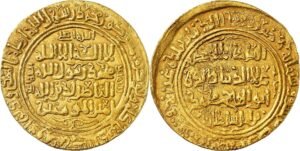
The records used here do not describe a single Oghuz flag. What they describe are tamgas, the marks individual tribes used as their own sign. One tamga did become a state emblem. The Akkoyunlu dynasty used the Bayındır tamga as its official sign on its coins, documents, weapons and flags.
Oghuz Turks today
Three present-day peoples are the main heirs of the historical Oghuz: the Turks of Turkey, the Azerbaijani Turks and the Turkmens of Turkmenistan. The tribal records add a wider map. Salur beys ruled in Fars, Döğer beys held Ca’ber Castle in Syria, and Çavuldur and İğdir groups ended up in the North Caucasus. The same tribe name can point to Anatolia, Syria, Iran or the Caspian shore depending on the century.
Oghuz Turks DNA: what one study can and cannot say
A 2012 genetic study by Hodoğlugil and Mahley placed the Oghuz migrations in their historical context. It examined more than 500,000 SNPs in samples from Aydın, İstanbul and Kayseri to assess admixture in the present Turkish population. It did not sample the 24 historical tribes separately. So this study cannot tell you whether your ancestors were Kayı or Kınık. The tax registers, village by village, remain the finer tool.
Timeline
- 9th century: Oghuz groups around the Aral Sea push the Pechenegs westward.
- 10th–12th centuries: Arab sources name Dzhankent as the Oghuz political center.
- 11th century: Mahmud al-Kashgari records the names of the Oghuz tribes.
- 1148: Salur bey Sungur takes Shiraz and founds the Salghurid dynasty.
- 1277: Çepni around Sinop defeat the naval attack of Giorgi, ruler of Trebizond.
- Early 14th century: Rashid al-Din gives the full list of 24 Oghuz tribes.
- 14th century: Yüreğir and Kınık communities settle in Çukurova.
- 16th century: Ottoman tax registers record villages carrying tribal names and the Turkmen communities.
- 1690–1691: Settlement order for the Beydili on the banks of the Belih River.
- 1865: The Fırka-i Islâhiyye forces the Avşar into settled life.
Details you won’t find in guidebooks
- Kayı villages without the name. Under Süleyman the Magnificent the Denizli Kayı lived in 35 villages. Not one of those villages was called Kayı.
- Rice farmers of the Kınık. The Çukurova Kınık cut canals from the Ceyhan and other rivers and used the water above all to grow rice.
- A tamga on the coinage. The Akkoyunlu did not keep the Bayındır tamga as folklore. They struck it on coins and put it on documents, weapons and flags.
- A naval victory in 1277. The Çepni around Sinop defeated an attack by Giorgi, the Greek Emperor of Trebizond, at sea.
- Oghuz villages in Europe. In the 16th century the Hasköy district of the Çirmen sancak in Rumeli had two Eymir villages: Eymir-i Büzürk with 50 households and Eymir-i Küçük with 44.
FAQ
Where did the Oghuz Turks come from?
The Oghuz confederation moved west from the Yedisu region to the lands around the Aral Sea. In the 9th century they pushed the Pechenegs of the Emba and Ural area westward. Arab sources of the 10th to 12th centuries name Dzhankent, on the lower Syr Darya in Kazakhstan, as the capital of the Oghuz political center.
Which tribe did the Ottomans and the Seljuks belong to?
The Seljuk dynasty came from the Kınık tribe of the Üçok wing. Ottoman tradition claims descent from the Kayı tribe of the Bozok wing. Faruk Sümer notes that this Kayı link may have been constructed by Yazıcıoğlu Ali, a historian of Murad II’s reign, though he considers a real Kayı affiliation possible.
Can a DNA test tell me which Oghuz tribe I descend from?
Not from the published research used here. The 2012 Hodoğlugil–Mahley study examined more than 500,000 SNPs in samples from Aydın, İstanbul and Kayseri to assess admixture in the Turkish population. It did not sample the 24 historical tribes separately.
What did the Oghuz Turks look like?
The sources behind this article are tax registers, chronicles and one genetic survey. They count households, tents and genetic markers. They do not describe faces, so any confident claim about Oghuz appearance goes beyond the record.
Who are the Oghuz Turks today?
The Turks of Turkey, the Azerbaijani Turks and the Turkmens of Turkmenistan are the main present-day peoples linked to the historical Oghuz. Records also trace branches of individual tribes to Syria, Iran and the North Caucasus.
Sources
- Wikipedia — Oghuz Turks en.wikipedia.org
- Vikipedi — Oğuzlar tr.wikipedia.org
- University of Tübingen — DFG Project Dzhankent uni-tuebingen.de
- TDV İslâm Ansiklopedisi — Oğuzlar islamansiklopedisi.org.tr
- TDV İslâm Ansiklopedisi — Bozoklar islamansiklopedisi.org.tr
- TDV İslâm Ansiklopedisi — Kayı islamansiklopedisi.org.tr
- TDV İslâm Ansiklopedisi — Kınık islamansiklopedisi.org.tr
- TDV İslâm Ansiklopedisi — Bayındır islamansiklopedisi.org.tr
- TDV İslâm Ansiklopedisi — Bayat islamansiklopedisi.org.tr
- TDV İslâm Ansiklopedisi — Yazır islamansiklopedisi.org.tr
- TDV İslâm Ansiklopedisi — Dodurga islamansiklopedisi.org.tr
- TDV İslâm Ansiklopedisi — Döğer islamansiklopedisi.org.tr
- TDV İslâm Ansiklopedisi — Avşar islamansiklopedisi.org.tr
- TDV İslâm Ansiklopedisi — Beydili islamansiklopedisi.org.tr
- TDV İslâm Ansiklopedisi — Kızık islamansiklopedisi.org.tr
- TDV İslâm Ansiklopedisi — Karkın islamansiklopedisi.org.tr
- TDV İslâm Ansiklopedisi — Çepni islamansiklopedisi.org.tr
- TDV İslâm Ansiklopedisi — Salur islamansiklopedisi.org.tr
- TDV İslâm Ansiklopedisi — Yüreğir islamansiklopedisi.org.tr
- TDV İslâm Ansiklopedisi — Çavuldur islamansiklopedisi.org.tr
- TDV İslâm Ansiklopedisi — Eymir islamansiklopedisi.org.tr
- Sadettin Gömeç — Alayuntlu Türkmenleri, Türk Dünyası Araştırmaları, 1988 makale.isam.org.tr
- TDV İslâm Ansiklopedisi — Büğdüz islamansiklopedisi.org.tr
- TDV İslâm Ansiklopedisi — Yıva islamansiklopedisi.org.tr
- Çukurova Üniversitesi Türkoloji Araştırmaları Merkezi — Osmanlı Devrinde Anadolu’da Oğuz Boyları turkoloji.cu.edu.tr
- TDV İslâm Ansiklopedisi — Peçenek islamansiklopedisi.org.tr
- Hodoğlugil and Mahley — Turkish Population Structure and Genetic Ancestry Reveal Relatedness among Eurasian Populations pmc.ncbi.nlm.nih.gov
Image: Oghuz Tribes at the first half of the X century A.D.png — Hakuna.Matata, CC BY-SA 4.0