Istanbul Military Museum: start with the restoration closure
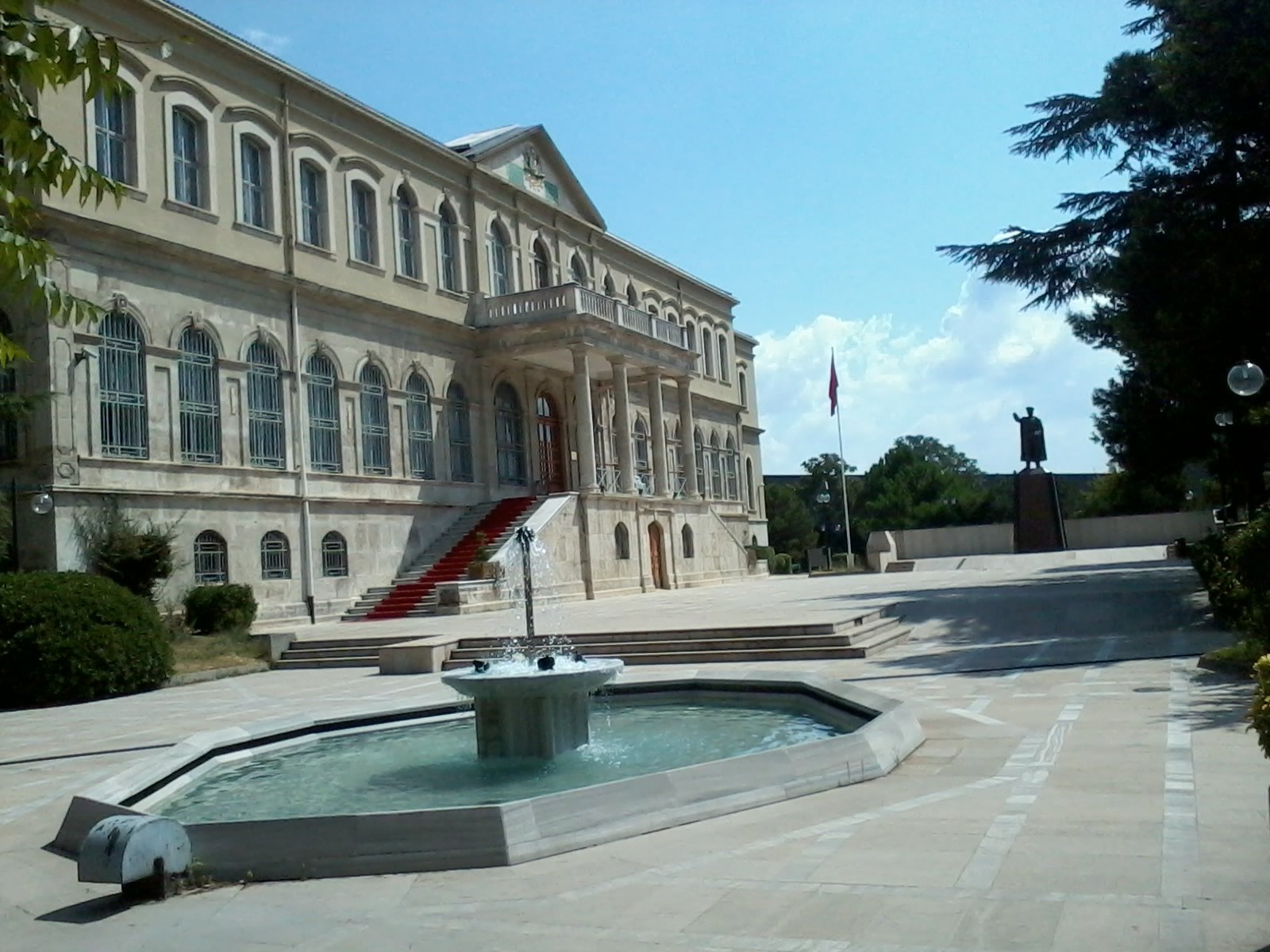
Istanbul Military Museum and the Ottoman Mehter band bring together military objects, music and institutional history. The museum stands in Harbiye, in Istanbul’s Şişli district. Its official name is Askerî Müze ve Kültür Sitesi Komutanlığı. It operates under the Ministry of National Defence.
Before you plan a visit, check the closure status. The official museum portal, checked on 25 October 2026, reports a restoration closure beginning on 1 June 2026. That closure takes priority over the ordinary visiting hours and concert schedule published elsewhere in the museum’s information.
The collection contains approximately 55,000 military cultural objects, according to the museum. Around 5,000 are displayed. Its holdings extend from the thirteenth century to the present. Those figures help explain the difference between the full collection and the objects selected for exhibition.
Istanbul Military Museum hours and opening hours
The museum’s general information page gives ordinary visiting hours as 09:00–16:30. It lists closures on Mondays, 1 January and the first days of religious holidays. These are the regular arrangements published for the museum, subject to the restoration closure.
If you are building an Istanbul itinerary around military history, the key date is therefore 1 June 2026. The museum has been closed since then for restoration. Reading the ordinary opening hours without that date would give you the wrong basis for planning a visit.
Istanbul Military Museum ticket price and tickets
The museum’s published 2026 entrance and service tariff lists a full ticket at 160 TL. It separately lists a foreign visitor ticket at 750 TL. Keep those categories distinct when reading about the Istanbul Military Museum price.
These are published tariff figures for 2026. They should not be read as confirmed prices for reopening after restoration. The closure also matters more immediately than the tariff: a listed ticket category does not override the official notice that visits stopped on 1 June 2026.
From Aya İrini to the Harbiye museum
The collection’s history begins with the aftermath of the conquest of Istanbul in 1453. Aya İrini Church became a cebehane, a store for weapons and military equipment. The roots of the museum therefore lie in the gathering and preservation of military material.
In 1726, the arsenal collection was reorganized under the name Darül Esliha. A further step came in 1846. Ahmet Fethi Paşa, the Tophane Müşiri, created exhibition spaces at Aya İrini. That initiative marks the move toward a modern museum arrangement.
The museum suspended its activities in 1940 because of the possibility that the Second World War might spread to Turkey. Its objects went on display again in 1959. This time, the exhibition occupied the gymnasium building of the Harbiye military school.
The former Harbiye main building opened to museum visitors on 10 February 1993. Turkish Wikipedia credits architect Nezih Eldem with the restoration that enabled its conversion. It dates that work to 1966–1991. The building’s adaptation thus forms another substantial chapter in the museum’s history.
What to look for in this Turkish military museum
The collection’s span, from the thirteenth century to the present, gives you a broad historical frame. The museum also contains the Harbiyeli Atatürk Classroom. Arranged in a period setting, it commemorates Mustafa Kemal Atatürk’s years as a student.
Another exhibit connects directly with the conquest of Istanbul. The museum displays sections of the chain stretched across the entrance to the Golden Horn during the siege of 1453. Its purpose was to prevent Ottoman ships from entering. The surviving sections turn a military obstacle into an object you can study.
The English Wikipedia photo gallery also shows historical cannons, Mahmut Şevket Paşa’s automobile and Abdülhamid II’s desk. These subjects offer different ways into the collection. Weapons sit alongside objects associated with transport and a ruler’s working environment.
Istanbul Military Museum mehter band
The museum’s general information page schedules mehter concerts between 15:00 and 16:00 on days when the museum is open. That is its ordinary published concert arrangement. It does not establish that concerts continue during the restoration closure.
Ottoman mehter instruments include the zurna and boru among the wind instruments. Percussion includes kös, davul, nakkare, zil and çevgân. These names matter because mehter is an ensemble of several instrument groups. It cannot be understood through the drum alone.
There is an everyday connection in that mixture of winds and percussion. If you have ever followed a tune while tapping its rhythm on a table, use those two actions as listening prompts. The mehter instrument list gives you both wind instruments and several kinds of percussion to attend to.
The Ministry of Culture and Tourism states that mehter music inspired European composers including Gluck, Mozart and Beethoven. That connection places Ottoman military music within a wider musical history. It also offers a point of entry for readers who first encountered those composers rather than the mehter tradition.
Was mehter the world’s first military band?
The museum describes its Mehteran Unit as the world’s oldest military band. That description needs attribution. The TDV İslâm Ansiklopedisi also discusses drums and horns in Alexander the Great’s army. Its account therefore does not establish that mehter was the first military musical ensemble.
The same reference work treats another familiar origin story cautiously. This story links Ottoman mehter to a Seljuk sultan sending a drum and standard to Osman Gazi. According to the encyclopedia, documentary evidence has not verified that account. It belongs in the history of the tradition’s origin stories.
The institution also experienced clear interruptions. In 1826, the tabl and alem mehter organizations were abolished alongside the Janissary corps. The Muzıka-i Hümâyun replaced them, following the model of European bands. That change is essential to understanding the later revivals.
How the museum’s mehter ensemble returned
Ahmed Muhtar Paşa established the Mehterhâne-i Hâkānî within the military museum in 1914. Ali Rıza Şengel became its mehterbaşı. During the Republic, the ensemble passed to the Military Museum administration. It was closed again in 1935.
The mehter ensemble was re-established in 1952. On 29 May 1953, it participated in the ceremonies marking the conquest of Istanbul’s five-hundredth anniversary. In 1968, a nine-kat ensemble was formed following a proposal by museum director Sabahattin Doras.
Details you won’t find in guidebooks
The 1952 reconstruction drew on visual sources. These included miniatures in the Surnâme-i Vehbî. Works on military clothing by Mahmut Şevket Paşa and Arifi Paşa also served as models. The ensemble’s recreated appearance therefore involved the study of historical representations and dress.
The word kat describes the number of performers within the instrument groups. A nine-kat mehter ensemble does not consist of only nine musicians. Remembering that distinction makes the 1968 reorganization easier to understand. The number refers to the ensemble’s internal arrangement.
The nakkare consists of two copper bowls covered with stretched skin. The museum’s description says that it is played today while held against the chest. This is a concrete detail to look for when examining images of the musicians and their instruments.
The çorbacıbaşı stands at the front of the mehter procession. His headgear carries a peacock feather. Alongside the nakkare’s paired bowls, that feather gives you a specific feature to identify in photographs of the ensemble.
Timeline
- 1453: Aya İrini became a store for military equipment after the conquest.
- 1726: The arsenal collection was reorganized as Darül Esliha.
- 1826: The Ottoman mehter organization was abolished.
- 1846: Ahmet Fethi Paşa established exhibition spaces at Aya İrini.
- 1914: The Mehterhâne-i Hâkānî was established within the military museum.
- 1935: The museum’s mehter ensemble was closed.
- 1940: Museum activities stopped because of the threat of war.
- 1952: The mehter ensemble was re-established.
- 29 May 1953: The ensemble joined the conquest’s five-hundredth anniversary ceremonies.
- 1959: Collections returned to display in the Harbiye gymnasium building.
- 1966–1991: Nezih Eldem directed restoration of the former Harbiye building.
- 1968: A nine-kat mehter ensemble was formed.
- 10 February 1993: The museum opened in the former Harbiye main building.
- 1 June 2026: The museum closed for restoration.
Istanbul Military Museum photos and reviews
For photographs, the English Wikipedia gallery includes mehter performances and historical cannons. It also includes Mahmut Şevket Paşa’s automobile and Abdülhamid II’s desk. You can use those subjects to explore the relationship between the musical ensemble and the museum’s material collections.
For a scholarly perspective on interpretation, Laurence Raw’s 2002 study compares Istanbul Military Museum with Sofia’s National History Museum. Published in kültür ve iletişim, it examines national identity and museum education. It offers a different reading angle from a visitor review: how museums represent history and teach their audiences.
FAQ
Is Istanbul Military Museum open?
The official museum portal, checked on 25 October 2026, reports that the museum has been closed for restoration since 1 June 2026.
What is the Istanbul Military Museum ticket price?
The published 2026 tariff lists a full ticket at 160 TL and a foreign visitor ticket at 750 TL. These figures should not be treated as reopening prices.
When does the Istanbul Military Museum mehter band perform?
The museum’s general information page lists concerts from 15:00 to 16:00 on museum opening days. That ordinary schedule does not confirm performances during the restoration closure.
Is the Ottoman mehter the world’s oldest military band?
The museum describes its Mehteran Unit that way. However, the TDV İslâm Ansiklopedisi also discusses drums and horns in Alexander the Great’s army, so calling mehter the first military musical ensemble is not an established conclusion.
Sources
- Askerî Müze — Hakkında askerimuze.msb.gov.tr
- Turkish Museums — İstanbul Harbiye Military Museum turkishmuseums.com
- Turkish Museums — İstanbul Harbiye Askeri Müzesi turkishmuseums.kprod.kultur.gov.tr
- Askerî Müze — 2026 Yılı Giriş ve Hizmet Ücretleri askerimuze.msb.gov.tr
- Vikipedi — Askerî Müze (İstanbul)) tr.wikipedia.org
- Wikipedia — Istanbul Military Museum en.wikipedia.org
- TDV İslâm Ansiklopedisi — Mehter islamansiklopedisi.org.tr
- Askerî Müze — Mehter Genel Bilgi askerimuze.msb.gov.tr
- Askerî Müze — Mehter Personeli ve Sazları askerimuze.msb.gov.tr
- Ministry of Culture and Tourism — Janissary (Mehter) Music ktb.gov.tr
- Laurence Raw — Educating the People dergipark.org.tr
Image: Askeri muze Istanbul.jpg — Mirada, CC BY-SA 3.0