Bronze transformed cities, trade and warfare by combining copper with tin to make a harder, more easily cast metal. Demand for scarce tin strengthened distant supply networks, while metalworking developed alongside specialized crafts, urban administration and armed elites. These changes followed different regional paths rather than a single worldwide timetable.
If you follow bronze through Kültepe’s trading records, the Uluburun shipwreck off Kaş and Arslantepe’s early swords, you encounter more than tools and weapons. These finds connect raw materials with recorded transactions and displays of political power. They also help explain why the Bronze Age began and ended at different times across regions.
How is bronze made, and how does it differ from copper?
To make tin bronze, metalworkers obtained tin from ore and added it to hot copper. Adding about 10 percent tin produces a metal that is harder than pure copper, easier to cast and more golden in colour. The alloy therefore changed both the working properties and appearance of metal objects.
The ingredients created different supply problems. Tin was much scarcer than copper. Societies producing large quantities of bronze consequently became more dependent on distant sources of raw materials. A workshop’s ability to make the alloy was connected to its access to supplies.
Bronze also belongs to a later archaeological classification. Christian Jürgensen Thomsen’s three-age system, proposed in 1836, placed the Bronze Age between the Stone Age and Iron Age. The sequence names broad periods; regional production and access to traded bronze determine when the Bronze Age begins in a particular society.
Why did the Bronze Age begin at different times in different regions?
The English Wikipedia account gives no single Bronze Age starting date applicable to all societies. Regional metal production and the acquisition of bronze through trade developed on different schedules.
Britain provides a clear comparison. Knowledge of copper and gold working arrived through connections with continental Europe around 2400 BC. According to the British Museum, copper-tin bronze began to be used around 2200 BC. Even within this regional sequence, working copper and making bronze were separate developments.
You should also distinguish the spread of bronze from the spread of large states. The Metropolitan Museum of Art’s Southeast Asian chronology describes bronze technology spreading among small, autonomous lowland communities between approximately 1500 and 500 BC. Bronze use did not require every community to adopt the same political organization.
How did copper and tin trade connect distant societies?
In early Bronze Age Britain, tin came from southwestern England. Copper and gold came from Ireland and Wales. After 1600 BC, continental European metals became more important. The sources supplying metal users could therefore change during the Bronze Age itself.
For readers interested in Turkey, Kültepe/Kaneş brings this exchange into close focus. In the early second millennium BC, Assyrian merchants settled there and traded tin and textiles for Anatolian copper and other goods. Metals travelled within exchanges that also included woven products.
The merchants documented transactions with cuneiform tablets, clay envelopes and cylinder seals. If you keep receipts for purchases today, these records offer an everyday connection: goods changed hands, and people kept written evidence. At Kültepe, the surviving evidence takes the form of clay documents and their associated seals.
The Uluburun wreck off Kaş shows the scale of maritime transport in the Late Bronze Age. Its cargo included approximately 10 tonnes of copper and one tonne of tin. These quantities demonstrate that bronze ingredients crossed the Mediterranean in substantial shipments.
The ship also carried glass ingots, unworked elephant tusks, ostrich eggshells and gold jewellery. Copper and tin shared cargo space with other materials and finished valuables. The wreck therefore connects bronze production with a wider movement of goods across the sea.
How were urbanization, specialization and state formation related to metal use?
Around 3200 BC, Uruk in southern Mesopotamia was already a large city with monumental mud-brick buildings. Lost-wax metal casting also appeared during this period. Urban growth and developments in metal production can be observed together there, without making bronze the sole cause of city life.
At the end of the fourth millennium BC, pictorial signs on Uruk’s clay tablets recorded the management of goods and the distribution of workers’ rations. These records show an administrative side of urban life. Materials and labour were being tracked alongside developments in production.
Western Central Asia offers evidence for a changing organization of work. During the Namazga IV phase, craft production began to separate from residential areas. Metallurgy expanded, and production techniques requiring specialized training developed. Metalworking was becoming a distinct field of skilled activity.
Political authority also involved access to valued materials. During Mesopotamia’s Early Dynastic period, from 2900 to 2350 BC, city rulers acquired foreign luxury materials through trade or conquest to display their power. Imported resources could serve political purposes as well as production.
These examples connect urban administration, trained craftspeople and ruling elites, but Southeast Asia supplies an essential comparison. Bronze technology also spread through small autonomous communities there. Metal use and state formation were related differently in different settings.
How did bronze change warfare and political power?
Arslantepe’s early metal swords connect weapons with authority. UNESCO interprets them as evidence pointing towards the beginnings of organized forms of conflict in which elites displayed political power through weapons. Their significance extends beyond the ability of a blade to inflict damage.
Actual fighting practices can also be investigated. Barry Molloy’s 2010 study of the Aegean Bronze Age used sword and spear measurements, wear traces and experimental archaeology to examine combat. Weapon shape and surface damage provide evidence for how arms were handled.
In Bronze Age Britain, swords and shields occur alongside long land boundaries and differences in the wealth of grave goods. Together, these remains provide evidence concerning warfare, landholding and social status. You gain a fuller picture by considering weapons with the landscape and burial evidence around them.
Timeline
- Around 3200 BC: Uruk is a large city with monumental mud-brick buildings; lost-wax metal casting also appears during this period.
- End of the fourth millennium BC: Pictorial signs on Uruk’s clay tablets record goods management and workers’ rations.
- Around 3100 BC: Fortified proto-urban settlements develop in the Jordan Valley.
- 2900–2350 BC: During Mesopotamia’s Early Dynastic period, city rulers acquire foreign luxury materials through trade or conquest to display their power.
- Around 2500 BC: The Jordan Valley’s proto-urban system dissolves into rural village life.
- Around 2400 BC: Copper and gold working reach Britain through continental connections.
- Around 2200 BC: Copper-tin bronze begins to be used in Britain.
- Early second millennium BC: Assyrian merchants at Kültepe/Kaneş record trade involving tin and textiles.
- After 1600 BC: Continental sources become more important in Britain’s metal supply.
- Around 1200 BC: The Hittite Empire and the Aegean palace system collapse, some political centres in the Levant and Cyprus are destroyed or abandoned, and New Kingdom Egypt begins to decline.
- Around 800 BC: Britain’s Bronze Age ends in the Ashmolean Museum’s classification.
- 1836: Thomsen’s three-age system is proposed.
Details you won’t find in guidebooks
Bronze did not immediately displace older materials. Across Britain’s Bronze Age, which the Ashmolean Museum places around 2300–800 BC, metal tools became more widespread. Flint and stone nevertheless continued to be used for many objects.
Uluburun’s copper ingots were also less ready for casting than their apparent chemical purity might suggest. A study published in 2002 identified pores and slag within them. The copper required further refining before casting.
In Middle Bronze Age western Central Asia, compartmented stamp seals were usually made from copper alloy, probably through lost-wax casting. Silver examples also existed, with gold examples occurring rarely. Metal served in small objects associated with marking impressions as well as in weapons and tools.
Why can the end of the Bronze Age not be explained by one event everywhere?
Around 1200 BC, the Hittite Empire and the Aegean palace system collapsed. Some political centres in the Levant and Cyprus were destroyed or abandoned, while New Kingdom Egypt began to decline. This was a major eastern Mediterranean crisis, with consequences across several political systems.
Drought is one proposed explanation for part of that crisis. In 2013, Kaniewski and colleagues used pollen records from Cyprus and coastal Syria to argue that a 300-year drought beginning around 1200 BC triggered or accelerated famine, migration and political-economic disruption. This is an interpretation of regional environmental evidence.
A comparative study in the Journal of Archaeological Research challenges a universal climate explanation. It argues that climatic changes harmed some societies while benefiting others. A single climate-driven collapse model therefore cannot account for every region.
Ireland adds a different sequence. Research reported by the University of Leeds found that human activity began declining after 900 BC and fell sharply after 800 BC. Cooler, wetter conditions appeared about two generations later. In that case, the decline preceded the climatic shift.
Urban disruption also occurred long before 1200 BC. In the Jordan Valley, fortified proto-urban settlements developed around 3100 BC but dissolved into rural villages around 2500 BC. Together with Britain’s later Bronze Age endpoint, this earlier transformation shows why regional chronologies matter.
FAQ
What made bronze different from copper?
Adding about 10 percent tin to copper produces a harder metal that is easier to cast and more golden in colour. Making tin bronze required obtaining tin from ore and adding it to hot copper.
Which places in Turkey help explain Bronze Age trade and power?
At Kültepe/Kaneş, Assyrian merchants exchanged tin and textiles for Anatolian copper and other goods. The Uluburun wreck off Kaş carried about 10 tonnes of copper and one tonne of tin, while early metal swords at Arslantepe provide evidence of weapons associated with political power.
Did the Bronze Age end everywhere around 1200 BC?
No. Around 1200 BC, major political systems in the eastern Mediterranean suffered a crisis, but regional chronologies differed. The Ashmolean Museum places the end of Britain’s Bronze Age around 800 BC.
Sources
- Wikipedia — Bronze Age en.wikipedia.org
- Antiquity — From Land’s End to the Levant cambridge.org
- British Museum — Prehistoric Britain britishmuseum.org
- Ashmolean Museum — Bronze Age Collection britisharchaeology.ashmus.ox.ac.uk
- The Metropolitan Museum of Art — Uruk: The First City metmuseum.org
- Holly Pittman, The Metropolitan Museum of Art — Art of the Bronze Age resources.metmuseum.org
- The Metropolitan Museum of Art — Southeast Asia, 2000–1000 B.C metmuseum.org
- The Metropolitan Museum of Art — Art of the Ancient Near East metmuseum.org
- Hauptmann, Maddin and Prange — The Structure and Composition of the Uluburun Copper and Tin Ingots journals.uchicago.edu
- Institute of Nautical Archaeology — Uluburun Late Bronze Age Shipwreck Excavation nauticalarch.org
- UNESCO World Heritage Centre — Arslantepe Mound whc.unesco.org
- Barry Molloy, American Journal of Archaeology — Swords and Swordsmanship in the Aegean Bronze Age ajaonline.org
- British Museum — Middle East Newsletter, Issue 7 britishmuseum.org
- Journal of Archaeological Research — Was There a 3.2 ka Crisis in Europe? link.springer.com
- Kaniewski and colleagues, PLOS ONE — Environmental Roots of the Late Bronze Age Crisis journals.plos.org
- University of Leeds — Climate change was not to blame for the collapse of the Bronze Age leeds.ac.uk
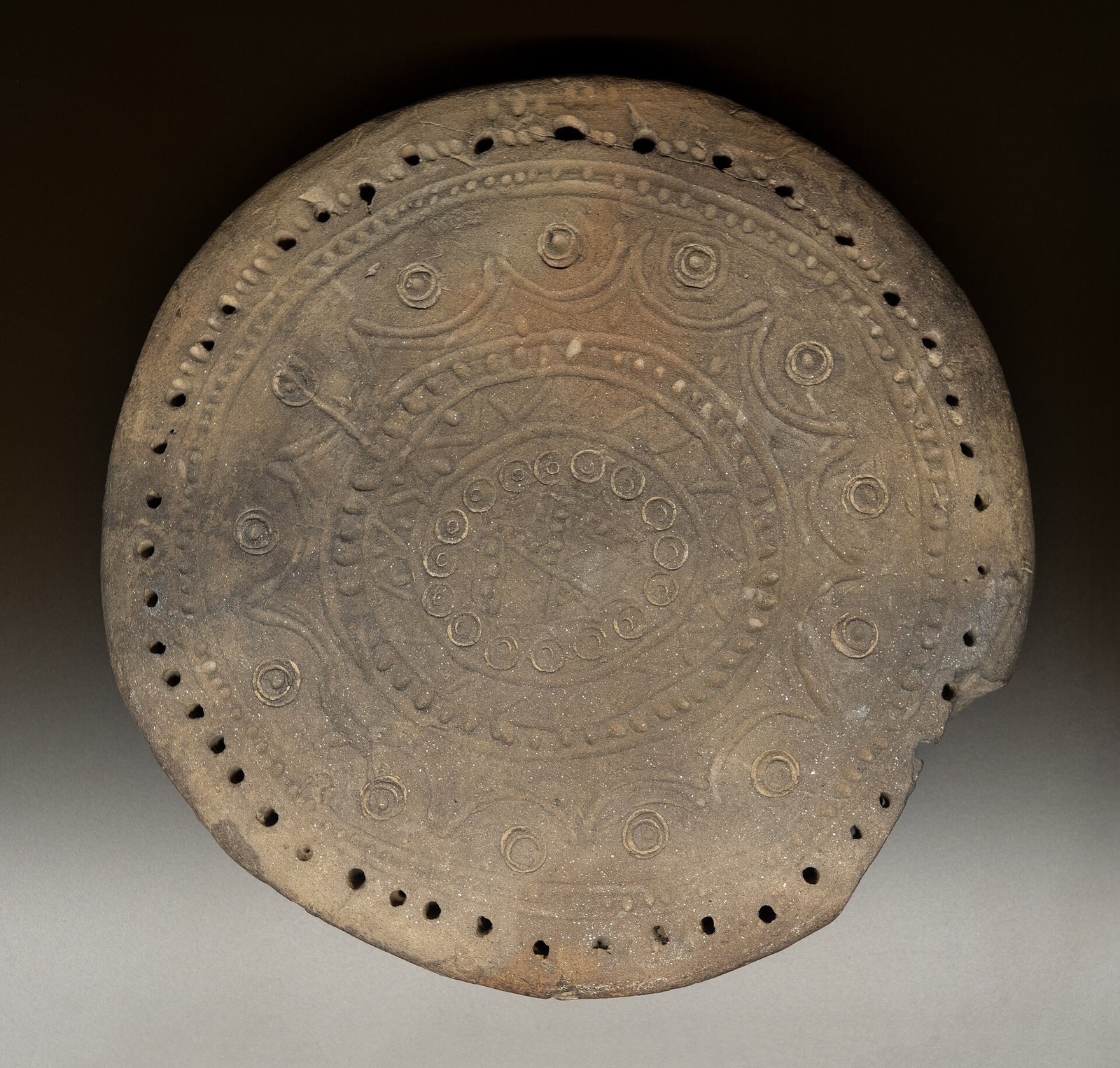
Image: Bronze Age applied art and craft 2nd millenium BC (National Museum of Serbia).jpg — of photography Petar Milošević, CC BY-SA 4.0