Who Was Pancho Villa?
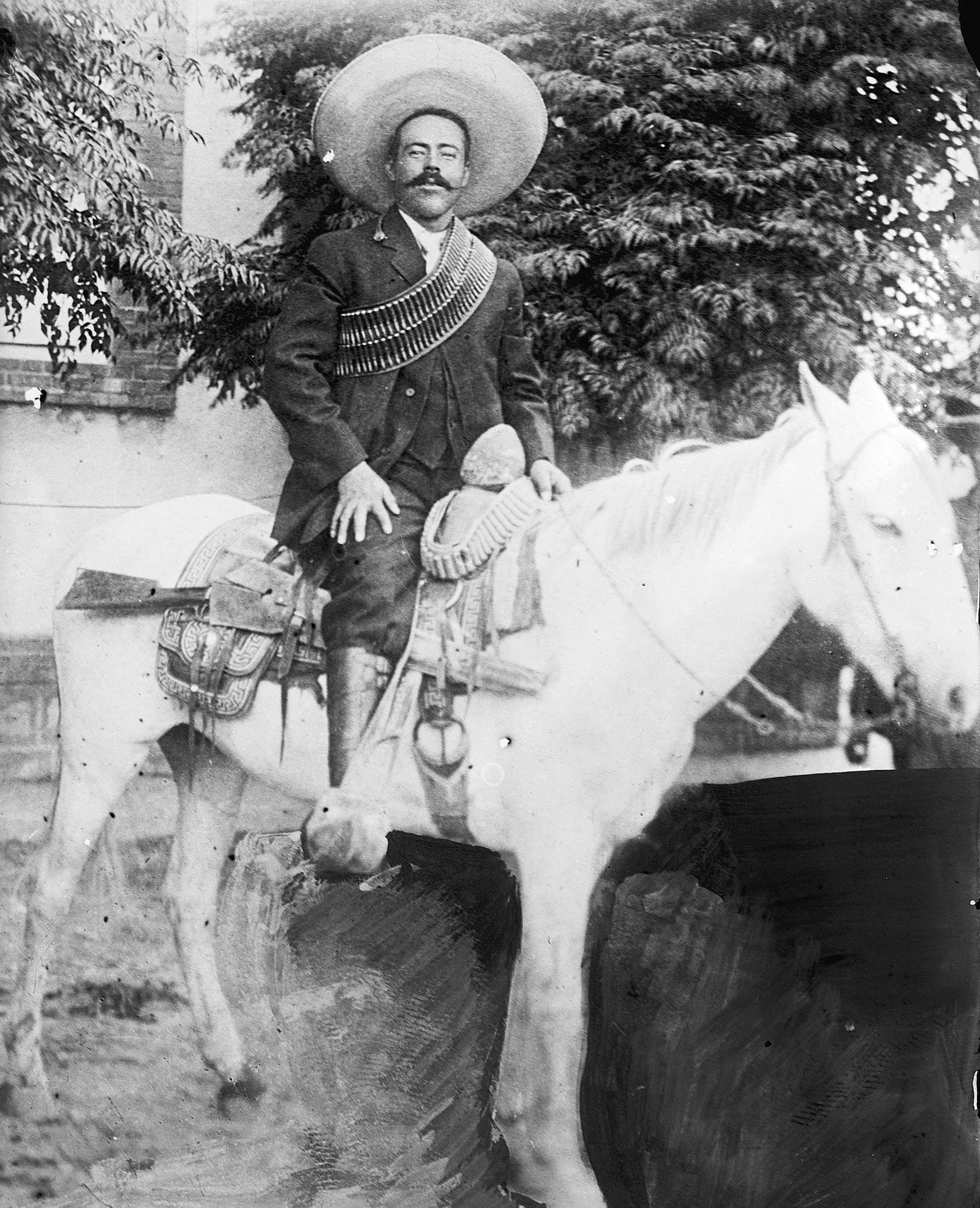
Pancho Villa was a Mexican general and guerrilla leader. During the Mexican Revolution he commanded an army called the División del Norte. One of his best-known nicknames was El Centauro del Norte, which means “the Centaur of the North.”
That is the short version. The longer version runs from a ranch in Durango to a street ambush in Chihuahua. It includes a river of banknotes, a raid on a US town and a failed American manhunt. This article follows that path step by step.
Where Was Pancho Villa Born and Where Was He From?
He was not born “Pancho Villa.” His name at birth was José Doroteo Arango Arámbula. He was born on 5 June 1878 at the La Coyotada ranch. The ranch sits in the municipality of San Juan del Río, in the state of Durango.
So if you ask where he is from, the answer is northern Mexico. Durango was his birthplace. Chihuahua became the center of his political and military life. He later governed it, fought across it and died in it. Keep this northern base in mind as you read on. His power always grew out of that region.
Joining Madero’s Revolution (1910-1912)
The revolution began in 1910. Francisco I. Madero started a movement against the rule of Porfirio Díaz. Abraham González invited Villa to join it, and he did.
Villa and Pascual Orozco fought side by side in the early fighting. In May 1911 their forces captured Ciudad Juárez. They did it even though Madero had ordered them to lift the siege. That detail shows how independent these field commanders were.
The friendship did not last. In 1912 Orozco rose in revolt, and Villa, his former comrade in arms, fought against him on the side of Madero’s government.
The Near-Execution
Villa’s service did not protect him from danger inside the army. In 1912 General Victoriano Huerta wanted him shot. Madero stepped in, and Villa escaped execution.
The story matters for what came next. Madero was killed in 1913. Villa then took up arms again, this time against the Huerta government.
Governor of Chihuahua
In 1913 Villa became governor of Chihuahua. In 1914 he fought against Huerta in a temporary alliance with Venustiano Carranza.
His governing style was direct. In December 1913 he took over the administration of Chihuahua and banned alcohol. He also ordered lower prices for milk, bread and meat.
Think of your own weekly grocery run. Milk, bread and meat are the first things you check. A military governor who cut exactly those prices was speaking to daily household budgets, not only to soldiers.
His money had its own nickname too. The banknotes he printed were called sábanas, meaning “bed sheets,” in northern Mexico. They circulated mainly in that region.
Zacatecas and Mexico City
The biggest battlefield result came on 23 June 1914. Villa’s División del Norte took Zacatecas. That victory contributed decisively to the defeat of the Huerta regime.
The winners then fell out. Carranza did not recognize the Revolutionary Convention of Aguascalientes. After that, Villa and Emiliano Zapata entered Mexico City together on 6 December 1914.
Defeat and Guerrilla War (1915)
In 1915 Villa fought Carranza and Álvaro Obregón. He suffered heavy defeats. After them he turned to guerrilla warfare in Chihuahua.
The man who had commanded a large army was now leading raids from his home ground. This is the context for the event that made him known abroad.
The Columbus Raid
At about 4:00 a.m. on 9 March 1916, roughly 485 fighters tied to Villa attacked the town of Columbus, New Mexico. They also hit the adjoining Camp Furlong. According to the National Park Service, 10 American civilians and 8 US soldiers died.
US President Woodrow Wilson answered by sending a punitive expedition into Mexico under General John J. Pershing. The goal was to capture Villa.
The Smithsonian dates the expedition from 14 March 1916 to 7 February 1917. It never caught him. The failed hunt added to his international fame.
Pancho Villa Rides Again? The Retirement at Canutillo
Searchers often type “Pancho Villa rides again.” The records show the opposite ending. In 1920 Villa came to terms with the government of Adolfo de la Huerta and laid down his arms. He withdrew to the Canutillo ranch in Durango.
There he did something few warlords do. He founded a school for his own children and for war orphans. He named it after Felipe Ángeles.
Pancho Villa’s Death
On 20 July 1923, gunmen set an ambush for Villa’s car in Hidalgo del Parral, in the state of Chihuahua. He was killed.
The question of who ordered it is still open. Some accounts point to Obregón and Plutarco Elías Calles. Jesús Salas Barraza took responsibility. Still, nobody has proven who gave the order.
You may also read that Villa spoke final words after being shot. Historian Friedrich Katz says he died instantly. There is no contemporary evidence that he could speak after the shots.
Burial and Reburial
Official records say Villa was buried at 6:30 p.m. on 21 July 1923. His grave was number 632 in the Dolores Cemetery in Parral.
His remains were moved on 18 November 1976. They now rest in the Monument to the Revolution in Mexico City.
Timeline
- 5 June 1878: Born at La Coyotada, Durango.
- 1910: Joins Madero’s revolutionary movement.
- May 1911: Captures Ciudad Juárez with Orozco.
- 1912: Fights the Orozco revolt and escapes Huerta’s execution order.
- 1913: Takes up arms against Huerta and becomes governor of Chihuahua.
- 23 June 1914: The División del Norte takes Zacatecas.
- 6 December 1914: Villa and Zapata enter Mexico City together.
- 1915: After defeats by Obregón, turns to guerrilla war.
- 9 March 1916: Villa’s forces attack Columbus.
- 1917: The US expedition to capture him ends without success.
- 1920: Lays down arms and retires to Canutillo.
- 20 July 1923: Killed in an ambush at Parral.
- 18 November 1976: Remains moved to the Monument to the Revolution.
Details You Won’t Find in Guidebooks
- The execution that did not happen. In 1912 Huerta wanted Villa shot. Madero’s intervention saved him.
- Prohibition and price cuts. When Villa took over Chihuahua in December 1913, he banned alcohol. He also ordered cheaper milk, bread and meat.
- Bed-sheet money. His banknotes were called sábanas in northern Mexico. They circulated mainly there.
- A school named for a comrade. At Canutillo he founded a school for his children and war orphans. It carried the name of Felipe Ángeles.
- The death car. The Dodge in which he was killed is displayed in the Museum of the Mexican Revolution in the city of Chihuahua.
FAQ
Where was Pancho Villa born?
He was born José Doroteo Arango Arámbula on 5 June 1878 at the La Coyotada ranch. It lies in the municipality of San Juan del Río, in the state of Durango.
How did Pancho Villa die?
Gunmen ambushed his car in Hidalgo del Parral, Chihuahua, on 20 July 1923. Historian Friedrich Katz says he died instantly. Who gave the order has never been proven.
What was the Columbus raid?
About 485 fighters tied to Villa attacked Columbus, New Mexico, and the neighboring Camp Furlong around 4:00 a.m. on 9 March 1916. The National Park Service counts 10 American civilians and 8 US soldiers killed.
Did the United States ever catch Villa?
No. The expedition under General John J. Pershing ran from 14 March 1916 to 7 February 1917, according to the Smithsonian, and it did not capture him.
Where is Pancho Villa buried today?
He was first buried in grave 632 of the Dolores Cemetery in Parral on 21 July 1923. On 18 November 1976 his remains were moved to the Monument to the Revolution in Mexico City.
Sources
- INEHRM — Francisco Villa inehrm.gob.mx
- Wikipedia — Pancho Villa en.wikipedia.org
- Meksika Kültür Bakanlığı — Otras historias del villismo gob.mx
- British Museum — Pancho Villa britishmuseum.org
- National Park Service — Village of Columbus and Camp Furlong home.nps.gov
- National Park Service — Pursuing Pancho Villa home.nps.gov
- Smithsonian National Museum of American History — General Pershing’s Mexican Expedition americanhistory.si.edu
- Palacio Nacional — 100 años de la muerte de Francisco Villa gob.mx
- INAH Chihuahua — GacetINAH 17 inah.gob.mx
Image: Pancho villa horseback.jpg — D.W. Hoffman, an El Paso photographer, Public domain