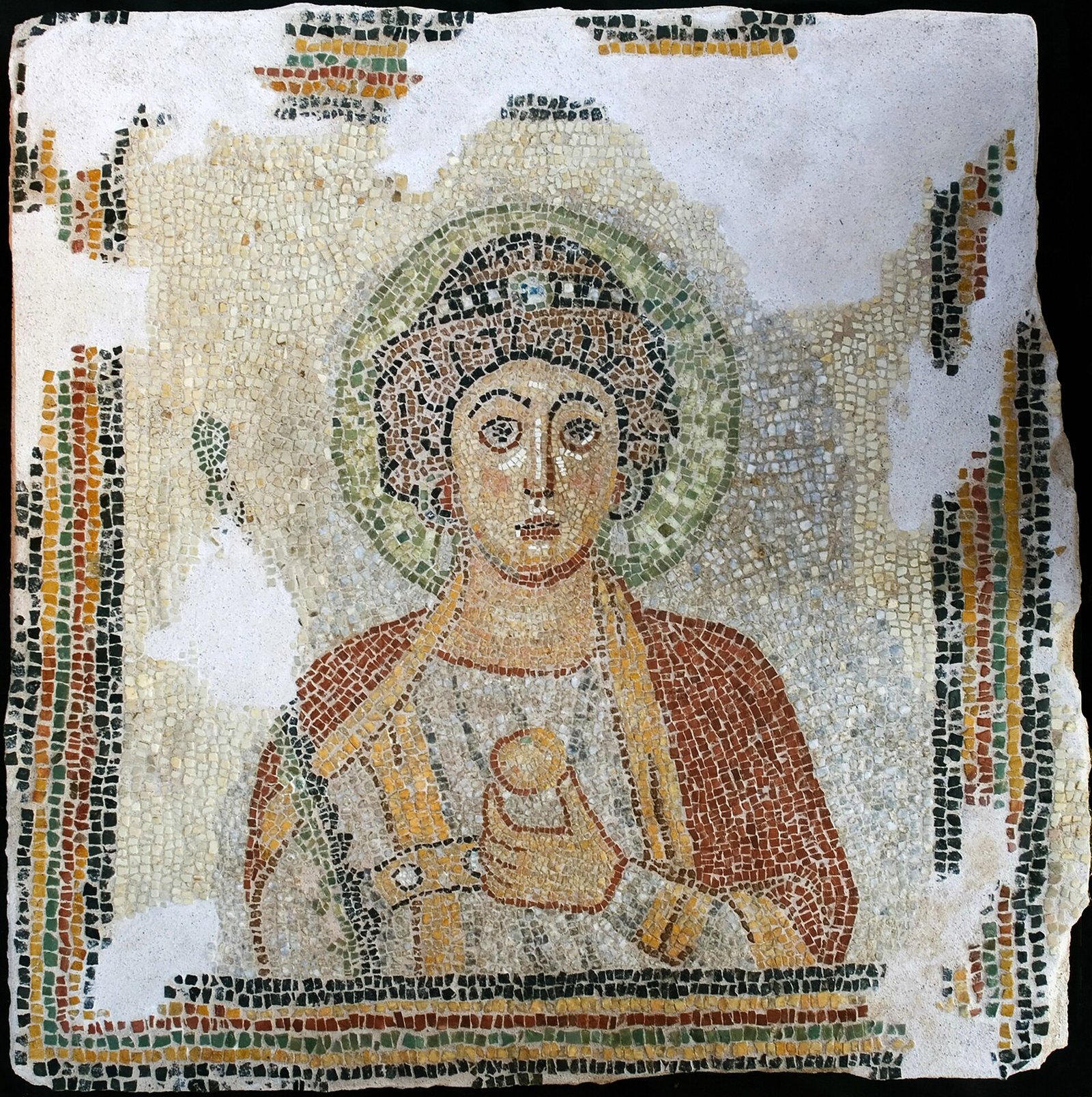
The newly uncovered mosaic and Eros head at Pompeiopolis reveal different stages of the city’s artistic and religious life. The fourth-century geometric floor illuminates the basilica’s development during Christianization, while the Eros head reflects Roman imperial artistic culture in the second half of the second century AD.
The key to understanding these discoveries is their different dates. You can follow the story through a building first dated to around AD 150–160, a Roman sculpture, and a later mosaic floor. Their locations within the basilica complex also matter, as does the growing area of pavement uncovered during 2026.
Where is Pompeiopolis, and why does its history matter?
Pompeiopolis stands on Zımbıllı Tepe, near Taşköprü in Kastamonu, in the Gökırmak valley. For travelers exploring Turkey’s ancient cities, this location anchors the discoveries in a specific Roman settlement. The mosaic and sculpture belong to the archaeological story of this hill and its surrounding valley.
Pompeius Magnus founded Pompeiopolis in 64–63 BC. It was one of seven cities established through his arrangements in Pontus. Its name means “city of Pompeius,” preserving the founder’s name in the identity of the settlement.
By the second century AD, Pompeiopolis had gained importance. Its inscriptions and coins used the title “Metropolis of Paphlagonia.” That title provides a useful background to the newly discovered Eros head, which dates to the second half of the same century.
The basilica’s proposed first construction phase also falls within the second century, around AD 150–160. These dates place the building’s beginnings and the sculpture within the period when Pompeiopolis was asserting its metropolitan standing. They do not, by themselves, establish that the head belonged to the building’s original decoration.
What does the newly uncovered mosaic reveal?
The Ministry of Culture and Tourism dates the basilica’s floor mosaics to the fourth century AD. It describes their decoration as compositions of different geometric patterns. The reported pavement therefore gives you evidence of patterned floor decoration within the building’s later history.
On 7 September 2026, Culture and Tourism Minister Mehmet Nuri Ersoy announced the exposure of approximately 105 square metres of mosaic. This pavement lay in the basilica’s central nave. The announcement concerned an excavated portion of the floor, rather than the full extent of the mosaic in that nave.
An everyday comparison helps explain why the dates matter. A building can have an older structure and a floor installed during a later phase of its life. At Pompeiopolis, the proposed construction date of around AD 150–160 and the fourth-century mosaic date distinguish those stages clearly.
The ministry associates the basilica’s later architectural arrangements, decoration and mosaics with the Christianization of Pompeiopolis. The floor thus contributes to the history of the building’s transformation. Its significance extends beyond the geometric patterns visible on its surface.
The dating of the first building phase rests on architecture, stratigraphy and finds considered together. The fourth-century date belongs specifically to the mosaics. Keeping those conclusions separate allows you to understand how the same complex preserves evidence from different periods.
What does the Eros head reveal about Roman Pompeiopolis?
The sculpted head depicts Eros, the god of love in Greek mythology. Found during the 2026 excavations, it dates to the second half of the second century AD. Researchers regard it as evidence that illuminates Pompeiopolis’s artistic and cultural environment under the Roman Empire.
Its date is earlier than that assigned to the geometric pavement. The Eros head and the mosaic therefore contribute different pieces to the city’s history. One concerns Roman imperial sculpture; the other belongs to the basilica’s fourth-century decorative phase.
The head was recovered in the section of the basilica complex called the pastophorion. This findspot is a concrete part of its archaeological context. Its discovery within the complex should be considered alongside its second-century date, rather than allowing the later mosaic to determine the sculpture’s age.
Read together, the two discoveries connect Roman artistic culture with the building’s later development during Christianization. The connection is chronological and archaeological. The sculpture’s date, the floor’s date and their recorded locations each contribute to that reading.
How much mosaic has been uncovered?
The exposed area increased after the September announcement of approximately 105 square metres. On 11 November 2026, Anadolu Agency reported that excavation had brought the uncovered mosaic area to approximately 120 square metres. An İHA report published that day gave 130 square metres.
Those November figures differ, so neither should be presented as an agreed final measurement. Both reports describe a larger exposed area than the September announcement. The clearest account preserves the approximate 120-square-metre figure attributed to Anadolu Agency and the 130-square-metre figure attributed to İHA.
Deputy excavation director Ahmet Yasin Ekinci also reported mosaic areas in the central and eastern naves of the three-nave basilica. This adds a spatial detail to the measurements. The developing picture concerns both the amount of floor exposed and its distribution within the building.
Timeline
- 64–63 BC: Pompeius Magnus founded Pompeiopolis through his arrangements in Pontus.
- Around AD 150–160: Proposed date of the basilica’s first construction phase.
- Second half of the second century AD: Date assigned to the Eros head discovered in 2026.
- Fourth century AD: Date assigned to the basilica’s geometric floor mosaics.
- 2006: A comprehensive international research and excavation project began at Pompeiopolis.
- 2025: Excavations began in the basilica, and its foundation walls were identified.
- 7 September 2026: A ministry announcement presented approximately 105 square metres of mosaic.
- 11 November 2026: Anadolu Agency reported approximately 120 square metres of exposed mosaic; an İHA report gave 130 square metres.
- Planned for 2027: The excavation team aims to uncover further mosaic areas and construct a permanent protective roof.
Details you won’t find in guidebooks
In 2005, Zımbıllı Tepe had no visible structural remains on its surface. Geophysical investigations nevertheless identified traces of streets, public buildings and two theatres. The contrast between the surface and the survey results is an important part of how the city became archaeologically legible.
Work on the basilica advanced from identifying foundation walls in 2025 to exposing the complete building plan during the 2026 season. The mosaic discoveries belong within that wider architectural investigation. Excavators were establishing the layout of the structure as they uncovered its decorated floors.
The September figure of 105 square metres did not cover the entire mosaic pavement of the central nave. This detail helps explain why later reports could announce a larger exposed area. The changing measurement records the progress of excavation rather than a change in the ancient floor’s size.
By November 2026, a temporary roof system covered the mosaic-bearing structure to protect the remains. The team also announced plans for a permanent roof in 2027. Protection and further excavation therefore form connected parts of the next planned season.
Who is excavating the basilica, and what comes next?
According to Anadolu Agency’s November 2026 report, excavations were being conducted for the Ministry of Culture and Tourism under Associate Professor Dr. Mevlüt Eliüşük of Karabük University. The basilica investigation began in 2025, within the broader research history of a site whose comprehensive international project started in 2006.
For 2027, the team announced two aims: exposing the continuation of the mosaics and covering the basilica with a permanent roof. These are plans for a future season. They follow the exposure of the full building plan in 2026 and the installation of temporary protection.
FAQ
What do the mosaic and Eros head at Pompeiopolis reveal?
They illuminate the city’s Roman imperial artistic culture and the basilica’s later transformation during Christianization. The Eros head dates to the second half of the second century AD, while the geometric mosaics date to the fourth century.
Where is Pompeiopolis?
Pompeiopolis is a Roman city on Zımbıllı Tepe, near Taşköprü in Kastamonu, in the Gökırmak valley.
How large is the newly uncovered mosaic?
The September 2026 announcement described approximately 105 square metres. On 11 November, Anadolu Agency reported approximately 120 square metres, while an İHA report gave 130 square metres.
Where was the Eros head discovered?
The head was recovered in the part of the basilica complex called the pastophorion during the 2026 excavations.
Sources
- Vikipedi — Pompeiopolis tr.wikipedia.org
- Wikipedia — Pompeiopolis en.wikipedia.org
- Ministry of Culture and Tourism — Pompeiopolis mosaic announcement engelsiz.ktb.gov.tr
- Anadolu Agency — 105 square metres of floor mosaics uncovered at Pompeiopolis aa.com.tr
- Anadolu Agency — The exposed mosaic area at Pompeiopolis grows aa.com.tr
- İHA / Son Dakika — 130 square metres of mosaic reported at Pompeiopolis sondakika.com
- HeritageDaily — Large Roman mosaic discovered at ancient Pompeiopolis in Turkey heritagedaily.com
Image: Pomp-11.jpg — Toichobate, CC BY-SA 4.0