Who was Fevzi Çakmak? — Fevzi Çakmak kimdir
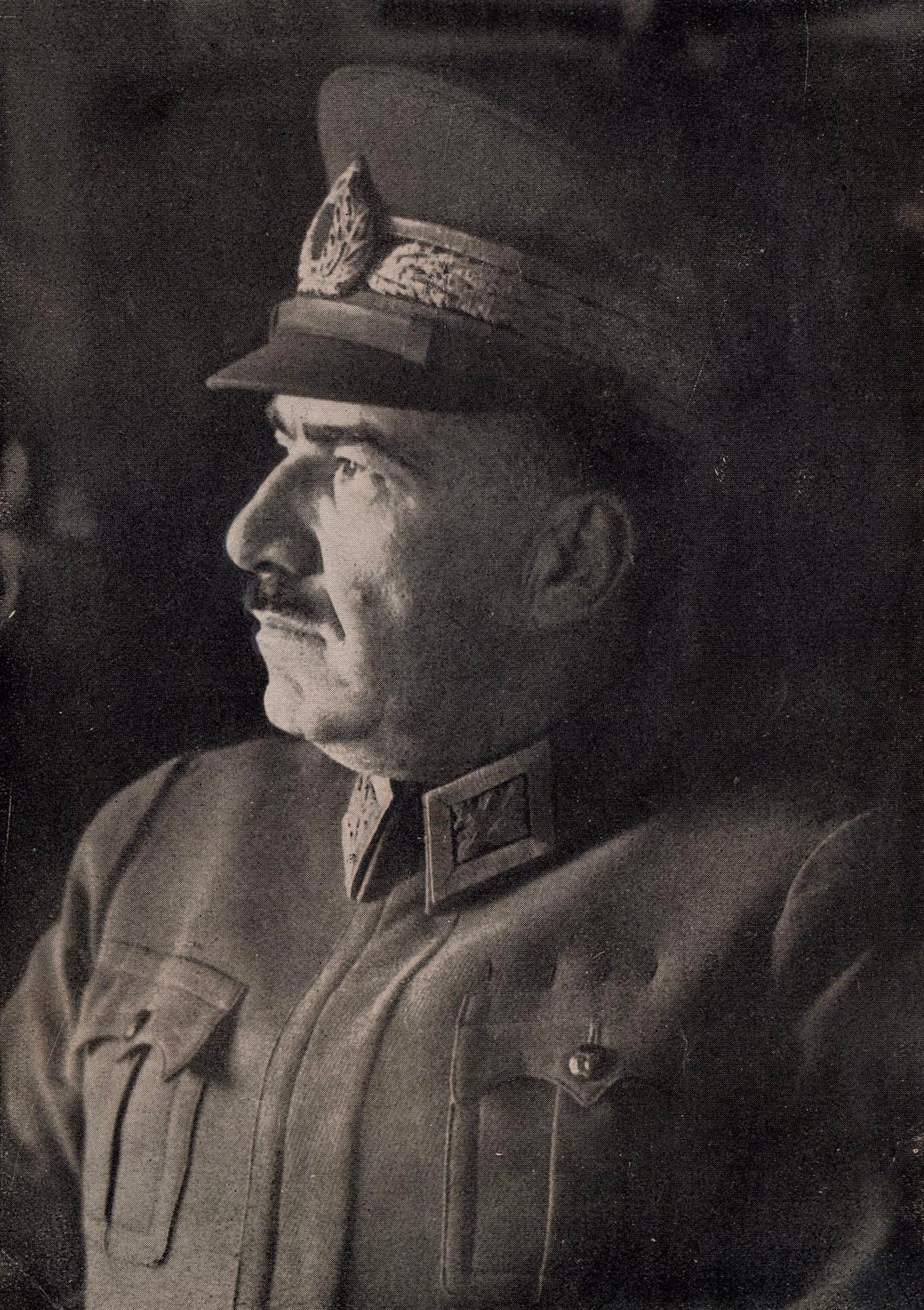
Mustafa Fevzi Çakmak was a Turkish soldier and statesman born in Istanbul on 12 January 1876. He trained in Ottoman military schools and served in the Ottoman army. During the National Struggle, he became defence minister, head of government, and chief of the general staff. He received the rank of field marshal in 1922.
If you want to understand his place in Turkish history, follow those overlapping responsibilities. Çakmak worked in government, parliament, and military command. His career connected the Ottoman army with the armed forces of the Republic. Fevzi Çakmak and Mustafa Kemal Atatürk are remembered as the two soldiers holding field marshal rank in the Republic’s history.
Where was Fevzi Çakmak from? — Fevzi Çakmak nereli
Çakmak was born in Istanbul. His father was Colonel Ali Sırrı Bey, a clerk at Tophane. His mother, Hasene Hanım, was the daughter of Hacı Bekir Efendi, a mufti from Varna. His family background therefore included both military service and religious learning.
His original given name was Mustafa. His grandfather Hacı Bekir Efendi gave him the additional name Fevzi. The same grandfather taught him Arabic, Persian, and Islamic jurisprudence. The name by which you know him thus came from a family member who also took part in his education.
He attended Rumelikavağı Mahalle Mektebi, Soğukçeşme Askerî Rüşdiyesi, and Kuleli Askerî İdâdîsi. In 1893, he entered Harbiye Mektebi. These were the schools of his own education, before his appointment as a staff captain in 1898.
How did his Ottoman military career develop?
Çakmak joined the army as a staff captain in 1898. In 1899, he became chief of staff of the 18th Nizâmiye Division. The division was based in Mitroviça, in the province of Kosovo. This appointment placed him in staff work early in his military career.
His rank did not rise without interruption. A law reorganizing Ottoman army ranks reduced him to major in 1909. He returned to the rank of lieutenant colonel in 1910. The reduction belonged to a wider reorganization of ranks, a detail that matters when reading the sequence of his promotions.
During the First World War, he served at Çanakkale. In December 1915, after Mustafa Kemal’s departure, he took over as acting commander of the Anafartalar Group. This was an acting command, distinct from his later permanent appointment as chief of the general staff.
On 7 September 1916, Çakmak was appointed commander of the 2nd Caucasian Corps. In 1917, he participated in the Gaza–Beersheba and Jerusalem–Jaffa battles. His wartime service therefore extended beyond Çanakkale to other fronts and commands.
How did he move from Ottoman office to Ankara?
On 24 December 1918, Çakmak became chief of the Ottoman general staff. He then became minister of war on 3 February 1920. He retained that ministry in the cabinet formed by Salih Paşa on 8 March 1920.
Later that year, he crossed into Anatolia to join the National Struggle. He reached Ankara on 27 April 1920. On 3 May, he was elected minister of national defence in the government of the Grand National Assembly, serving as the deputy for Kozan.
You can follow the change through his official titles. In February 1920, he held the Ottoman Ministry of War. By May, he held the national defence portfolio in the Assembly’s government. His arrival in Ankara falls between those two appointments.
On 24 January 1921, Çakmak also became head of the Council of Ministers. This was the government’s leading office at the time. He took it on alongside his existing duties, combining government leadership with his defence responsibilities.
Why did Fevzi Çakmak become a field marshal?
Çakmak was promoted to birinci ferik, corresponding to today’s full general, on 3 April 1921. On 5 August, he left the Ministry of National Defence and became permanent chief of the general staff. That appointment established the military office he would hold until 1944.
The Western Front Command prepared the plans for the Great Offensive. It did so under Commander-in-Chief Mustafa Kemal’s directives and firm decision, with Fevzi Paşa’s close attention. The planning involved these distinct responsibilities. Çakmak’s role belongs within that command structure.
For his services in the victory of 30 August, Mustafa Kemal proposed his promotion to field marshal. The Grand National Assembly awarded the rank on 31 August 1922. His promotion thus followed the victory and came through a decision of the Assembly.
On 27 October 1922, İsmet Paşa became foreign minister. Çakmak then assumed command of the Western Front while retaining his position as chief of the general staff. His field marshal rank and these commands were separate parts of his military standing.
How long did he serve, and what happened after retirement?
Çakmak represented Kozan in the Assembly’s first term and Istanbul in its second. He resigned as a deputy on 31 October 1924. His parliamentary service ended then, but his work as chief of the general staff continued.
He retired from that military office on 12 January 1944 because he had reached the age limit. He had held it since 1921. If you remember dates through birthdays on a calendar, his retirement offers an everyday connection: it fell on the same day and month as his birth.
In the 1946 election, Çakmak returned to the Assembly as an independent Istanbul deputy elected on the Democrat Party list. In 1948, he accepted the honorary presidency of the Nation Party. His later political career therefore included both an elected parliamentary seat and an honorary party position.
Timeline
- 12 January 1876: Born in Istanbul.
- 1893: Entered Harbiye Mektebi.
- 1898: Joined the army as a staff captain.
- December 1915: Became acting commander of the Anafartalar Group.
- 24 December 1918: Appointed chief of the Ottoman general staff.
- 3 February 1920: Became Ottoman minister of war.
- 27 April 1920: Reached Ankara to join the National Struggle.
- 3 May 1920: Elected national defence minister as the deputy for Kozan.
- 24 January 1921: Became head of the Council of Ministers.
- 3 April 1921: Promoted to the rank corresponding to full general.
- 5 August 1921: Became permanent chief of the general staff.
- 31 August 1922: Promoted to field marshal by the Assembly on Mustafa Kemal’s proposal.
- 27 October 1922: Also assumed command of the Western Front.
- 31 October 1924: Resigned his parliamentary seat.
- 12 January 1944: Retired because of the age limit.
- 1946: Elected independent Istanbul deputy on the Democrat Party list.
- 1948: Accepted the Nation Party’s honorary presidency.
- 10 April 1950: Died in Istanbul.
Details you won’t find in guidebooks
On 21 November 1923, Çakmak received the Independence Medal with a red-and-green ribbon. The award followed his promotion to field marshal in 1922. It provides another dated marker of the recognition he received after the National Struggle.
Çakmak died in Istanbul’s Teşvikiye district on 10 April 1950. He was 74. Disorder at his funeral prevented an official ceremony from taking place. Instead of travelling on a gun carriage, his coffin was carried on the hands of the crowd to Eyüp Sultan Cemetery.
He was buried beside his daughter in the family burial ground at Eyüpsultan. At his family’s request, his remains were not transferred to the State Cemetery in Ankara. If you are tracing his life through Istanbul, Eyüp Sultan Cemetery is therefore the burial place connected with his final chapter.
FAQ
Who was Fevzi Çakmak?
Mustafa Fevzi Çakmak was a Turkish soldier and statesman. During the National Struggle, he served as defence minister, head of government, and chief of the general staff.
Where was Fevzi Çakmak from?
He was born in Istanbul on 12 January 1876. His parents were Ali Sırrı Bey and Hasene Hanım.
When did Fevzi Çakmak become a field marshal?
The Grand National Assembly promoted him on 31 August 1922, following Mustafa Kemal’s proposal, for his services in the victory of 30 August.
Where is Fevzi Çakmak buried?
He is buried in the family burial ground at Eyüp Sultan Cemetery in Istanbul, beside his daughter. His family requested that his remains stay there.
Sources
- TDV İslâm Ansiklopedisi — ÇAKMAK, Fevzi islamansiklopedisi.org.tr
- Ministry of National Defence, ATATÜRK Website — Mustafa Fevzi Çakmak ata.msb.gov.tr
- Turkish Historical Society, Belleten — Mareşal Fevzi Çakmak’ın Hatıraları ve Atatürk belleten.gov.tr
- Hacettepe University, Türkiyat Araştırmaları — Mareşal Fevzi Çakmak’ın Vefatının Türk Basınına Yansıması ve Radyoevi Hadisesi dergipark.org.tr
- Vikipedi — Fevzi Çakmak tr.wikipedia.org
- Wikipedia — Fevzi Çakmak en.wikipedia.org
Image: Fevzi Çakmak.jpg — Archives of Turkish Armed Forces, Public domain