Who was İsmet İnönü?
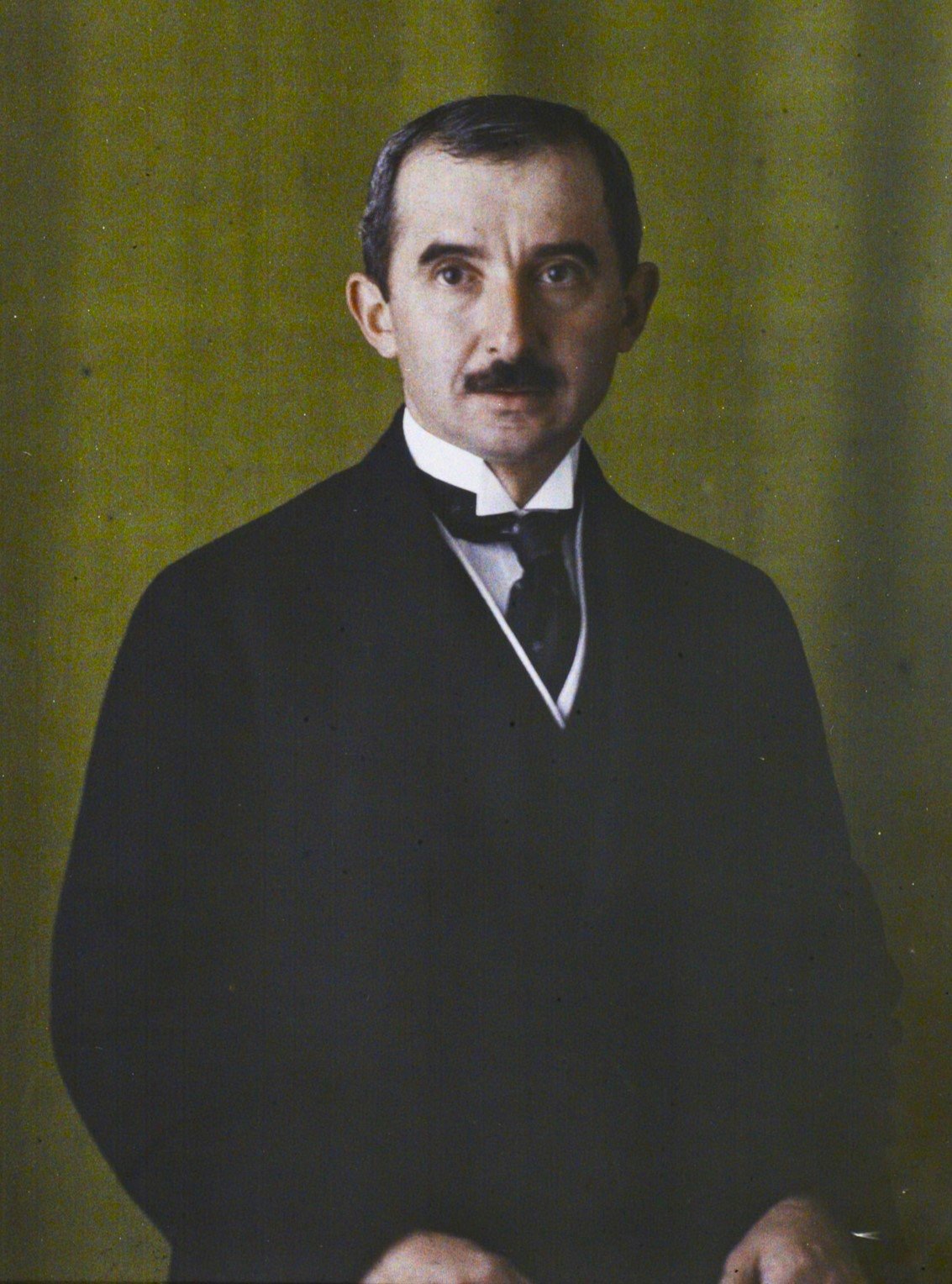
Mustafa İsmet İnönü was Turkey’s first prime minister and second president. Born in İzmir on 24 September 1884, he trained as an army officer before entering national politics. His career connected military command, peace negotiations, government leadership, and years in opposition.
If you know İnönü mainly as a president, the earlier stages matter too. He commanded the Western Front during the National Struggle. He then represented the government at Mudanya and headed the Turkish delegation at Lausanne. His presidency lasted from 11 November 1938 until 22 May 1950.
Where was İsmet İnönü from?
İnönü’s birthplace was İzmir. His family connections reached other places. His father, Reşit Bey, belonged to the Kürüm family from Bitlis, which had settled in Malatya. His mother, Cevriye Hanım, came from Razgrad in present-day Bulgaria.
These locations answer different parts of the question about his origins. İzmir was where he was born. Bitlis and Malatya belonged to his paternal family history. Razgrad was his mother’s hometown. He also spent part of his childhood in Sivas because of his father’s work.
Accounts of the family’s ethnic origins differ. The English Wikipedia biography distinguishes family research describing Turkish origins from secondary sources describing Kurdish origins. Those are competing accounts, rather than an agreed description of his ancestry.
Where did İsmet İnönü go to school?
İnönü entered Sivas Military Secondary School in 1892. His education continued through artillery school, which he completed in 1903 as a lieutenant. He graduated first in his class from the War Academy on 26 September 1906, holding the rank of staff captain.
His first posting began on 2 October 1906 at the Second Army headquarters in Edirne. The sequence takes you from his childhood in Sivas to military training and then active service. His later political career followed this professional education and army experience.
Which fronts did İsmet İnönü serve on?
In Yemen, İnönü participated in negotiations with Imam Yahya. On 26 April 1912, he was promoted to major. Negotiation therefore formed part of his career before Mudanya and Lausanne.
During the First World War, he served on the Caucasus and Palestine fronts. In Palestine in 1917, he received command first of the Twentieth Corps and then the Third Corps. These appointments preceded his command on the Western Front during the National Struggle.
His family life also began during wartime. He married Mevhibe Hanım in İstanbul in 1916. After the marriage, he returned to his duties at the front.
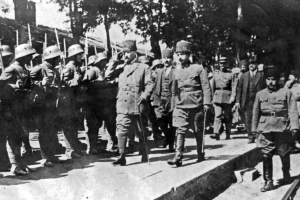
In 1920, İnönü joined the Grand National Assembly as a deputy for Edirne. On 3 May, he became the minister responsible for the General Staff. As Western Front commander, he stopped the Greek army’s advance in the First and Second Battles of İnönü, fought in January and April 1921.
How did an army commander become Turkey’s first prime minister?
İnönü represented the Grand National Assembly government at the Mudanya Armistice, signed on 11 October 1922. He later attended the Lausanne Conference as foreign minister and head of the Turkish delegation. He signed the Lausanne Peace Treaty on 24 July 1923.
He became the republic’s first prime minister in 1923. His early periods in that office ran from 1923 to 1924 and from 1925 to 1937. His military and political careers briefly overlapped: he became a full general in 1926 and retired from military service in 1927.
His surname came later than the battles associated with it. In a letter dated 26 December 1934, Atatürk gave İsmet Pasha the surname İnönü to commemorate his role in the İnönü battles. The name linked his public identity to his wartime command.
What happened during İnönü’s presidency?
After Atatürk’s death, İnönü was elected president. He took office on 11 November 1938. On 26 December, an extraordinary congress of the Republican People’s Party, or CHP, made him permanent party chairman and granted him the title Millî Şef, meaning National Chief.
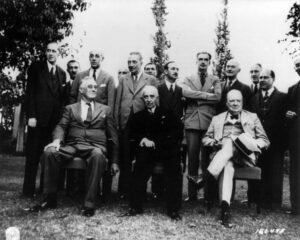
His presidency included a wartime meeting with British Prime Minister Winston Churchill in 1943. They met inside a railway carriage at Yenice station. Churchill wanted Turkey to enter the Second World War.
The presidency also included the discriminatory Wealth Tax of 1942. It imposed particularly heavy burdens on non-Muslim minorities. The tax was abolished in 1944. This policy belongs alongside the diplomatic events in any account of his years in office.
İnönü’s presidency ended on 22 May 1950. Following the CHP’s electoral defeat and transfer of power to the Democrat Party, he became the main opposition leader. He held that position until 1960.
Why is İnönü’s political legacy debated?
The executions associated with Şeyh Sait belong to İnönü’s premiership in 1925. The death sentences against Şeyh Sait and the other defendants were issued by the Eastern Independence Tribunal. Identifying that institution matters when describing responsibility for the decisions.
A separate dispute concerns the executions of 1961. In a 2018 interview with Anadolu Agency, Emre Oktay rejected the account that İnönü opposed them. He alleged that İnönü had urged the military leadership to complete the process.
A letter published by the İnönü Foundation provides documentary evidence of an objection. Dated 13 September 1961, it asked Cemal Gürsel to convey İnönü’s objections to carrying out the death sentences to the National Unity Committee. That committee held final approval authority. The letter should be distinguished from the later interview allegation.
How did İnönü return to government?
İnönü served again as prime minister between 1961 and 1965, leading three coalition governments. His career thus included both his earlier premierships and a later period of coalition leadership. Between those periods, he had served as president and opposition leader.
His leadership of the CHP ended in 1972. He stepped down after losing an internal party struggle against Bülent Ecevit’s team. This departure came before his death in Ankara the following year.
Timeline
- 24 September 1884: Born in İzmir.
- 1892: Entered Sivas Military Secondary School.
- 1903: Graduated from artillery school as a lieutenant.
- 26 September 1906: Graduated from the War Academy as a staff captain.
- 26 April 1912: Was promoted to major.
- 1916: Married Mevhibe Hanım.
- 1917: Commanded army corps on the Palestine Front.
- 3 May 1920: Became minister responsible for the General Staff.
- 1921: Commanded the two İnönü battles.
- 11 October 1922: Represented the government at the Mudanya Armistice.
- 24 July 1923: Signed the Lausanne Peace Treaty.
- 1923: Became the republic’s first prime minister.
- 1927: Retired from military service.
- 26 December 1934: Received the surname İnönü from Atatürk.
- 11 November 1938: Became Turkey’s second president.
- 1943: Met Churchill at Yenice station.
- 1950: Became opposition leader following electoral defeat.
- 13 September 1961: Wrote to Gürsel objecting to the executions.
- 1961–1965: Led three coalition governments.
- 1972: Left the CHP leadership.
- 25 December 1973: Died in Ankara.
- 28 December 1973: Was buried at Anıtkabir.
Details you won’t find in guidebooks
Reşit Bey recorded his son’s birth on the back page of the family’s Quran. The entry gave the date as 24 September 1884. If you keep family dates in a book at home, this detail offers an everyday connection to İnönü’s childhood.
At Sivas Military Secondary School, İnönü wore collar number 32. He was known as İsmet Efendi Ali Baba because his family lived in the Ali Baba neighborhood. His school identity therefore carried a reference to the place where he lived.
İnönü bought Pembe Köşk from Mehmet Uzunzade on 10 September 1923. His family moved into the house in 1925. According to the İnönü Foundation’s museum account, Ankara’s first ball took place there on 22 February 1927.
The foundation also states that his library at Pembe Köşk contained 8,000 books. The house connects his public career with concrete features of family life: a purchase, a move, a social gathering, and a substantial personal library.
When did İsmet İnönü die, and where is his tomb?
İnönü died in Ankara on 25 December 1973. He was 89. A Council of Ministers decision authorized his burial at Anıtkabir, which took place on 28 December.
If you visit Anıtkabir, his symbolic sarcophagus is in the gallery between the Peace and Victory towers. His burial there followed a career that included the İnönü battles, Lausanne, the premiership, and Turkey’s second presidency.
FAQ
Who was İsmet İnönü?
Mustafa İsmet İnönü was a soldier and statesman who became Turkey’s first prime minister and second president. He also commanded the Western Front and led the Turkish delegation at Lausanne.
Where was İsmet İnönü from?
He was born in İzmir on 24 September 1884. His father’s family came from Bitlis and settled in Malatya, while his mother came from Razgrad in present-day Bulgaria.
Which fronts did İsmet İnönü serve on?
He served on the Caucasus and Palestine fronts during the First World War. He later commanded the Western Front and stopped the Greek army’s advance in the two İnönü battles of 1921.
When did İsmet İnönü die, and how old was he?
He died in Ankara on 25 December 1973, aged 89.
Where is İsmet İnönü buried?
He was buried at Anıtkabir on 28 December 1973. His symbolic sarcophagus stands in the gallery between the Peace and Victory towers.
Sources
- İnönü Foundation — Life of İsmet İnönü ismetinonu.org.tr
- İnönü Foundation — Childhood ismetinonu.org.tr
- Republic of Türkiye Ministry of Foreign Affairs — Biography of İsmet İnönü mfa.gov.tr
- Presidency of the Republic of Türkiye — İsmet İnönü tccb.gov.tr
- İnönü Foundation — Biography ismetinonu.org.tr
- Belleten — Review of Şerafettin Turan’s İsmet İnönü belleten.gov.tr
- Anadolu Agency — Anniversary of the Adana Talks aa.com.tr
- Wikipedia — İsmet İnönü en.wikipedia.org
- Anadolu Agency — İsmet İnönü’s Death Anniversary aa.com.tr
- Atatürk Research Center — History of the Republic of Türkiye, Volume II atam.gov.tr
- Anadolu Agency — Emre Oktay Interview aa.com.tr
- İnönü Foundation — Yassıada Death Sentences, 1961 ismetinonu.org.tr
- İnönü Foundation — Pembe Köşk ismetinonu.org.tr
- Republic of Türkiye Ministry of Culture and Tourism — Anıtkabir dosim.ktb.gov.tr
Image: Ismet Pacha (cropped).jpg — Georges Chevalier, CC BY-SA 4.0