Ankara is best known today as the capital of Türkiye. Its story is much older than the republic. You can walk through layers of Phrygian, Galatian, Roman, Byzantine, Seljuk and Ottoman life in a single afternoon. This guide follows those layers in order and shows where you can still see them.
The historical names of Ankara
Ankara has not had one name. It has been written as Ankyra, Ankras, Angora, Engürü and Engüriye. Ankyra is the form you will meet in writing about the ancient city.
The names are well documented. Their origin is not.
Where does the name come from?
There are three explanations. None of them is proven.
The first is a founding legend. It says the Phrygian king Midas found a ship’s anchor, and the city took its name from it. The second legend also uses an anchor, but says the Galatians captured it. The Turkish encyclopedia of Islam (TDV) points out a problem with the Galatian version. Alexander the Great reached the city before the Galatians did. That makes a Galatian founding story hard to defend.
The third idea links Ankara to Ankuruwa, a name found in Hittite texts. It is attractive, but it is not established. The name appears on a broken tablet. Nothing on it points to a place on the map. Nobody can say it means Ankara.
So when a guide tells you the city is “named after an anchor”, treat it as a legend. It is a good story, not a fact.
Ankara history: from Alexander to the Galatians
Alexander the Great reached Ankyra in 333 BC during his eastern campaign.
The Galatians came next. From 278 to 189 BC, Ankara was the capital of the Tektosages, one of the Galatian branches. That is nearly ninety years as a tribal capital.
Roman Ankara: the bath and the temple
The best-known Roman site is the Roman Bath at Çankırı Caddesi No:43 in Ulus. Coins found during excavation date it to the reign of Caracalla, AD 212–217. Today it is an open-air museum and ruin site.
The mound under the bath holds more than Roman remains. Excavations in 1938 found Phrygian, Roman and Byzantine levels. They also found partial Seljuk and Ottoman traces. One hill, five periods.
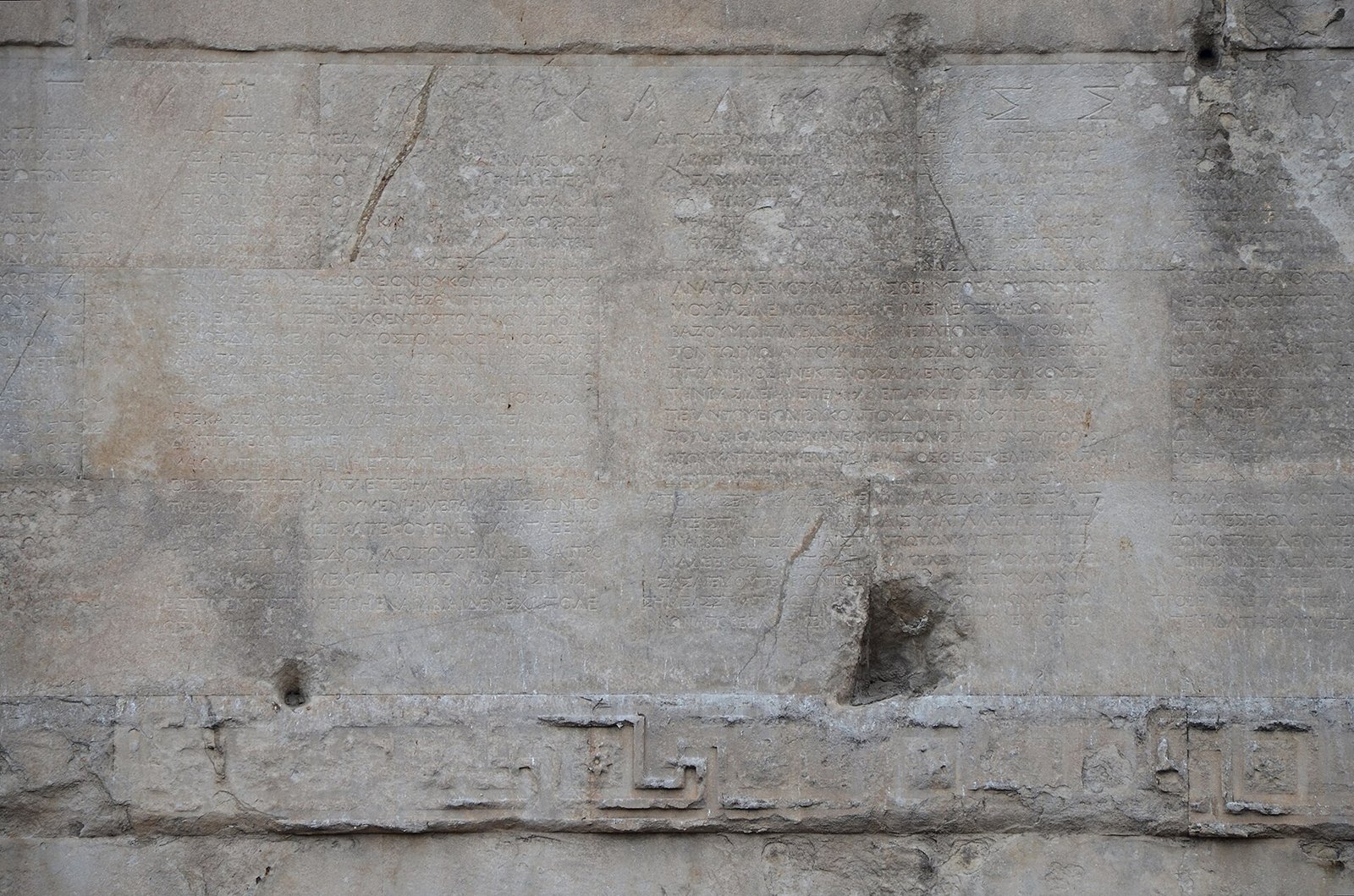
Not far away stands the Temple of Augustus. It is famous for the Res Gestae, the emperor’s account of his own deeds. The text survives in Latin and Greek. The original, written on metal tablets in front of Augustus’s tomb in Rome, is lost.
Ankara Castle history
Nobody knows exactly when Ankara Castle was first built. The inner walls are dated to the 7th century, the Byzantine period, by the Ankara Governorship.
The inner fortress has 42 pentagonal towers. They range from 14 to 16 meters in height. Byzantium turned Ankara into a fortified center, and Seljuk and then Ottoman rulers took it over.
Inside the walls you will find many houses from Ottoman Ankara. Some have been repaired and now work as shops or restaurants. This is your everyday-life link to the past. You can order lunch in a house that belongs to the Ottoman city.
The battle of 1402 and the first mosques
In 1402, the Battle of Ankara ended with Timur defeating the Ottoman sultan Bayezid I, known as Yıldırım. Bayezid was taken prisoner. The Ottoman state then entered the Fetret Devri, a period of interrupted rule.
A quarter of a century later, in 1427–1428, the first Hacı Bayram Mosque was built, according to the Ministry of Culture and Tourism. It stands next to the Temple of Augustus in Ulus. Later changes mean the mosque you see today carries the features of 17th- and 18th-century mosques. Roman temple and Ottoman mosque stand side by side.
On 19 September 2023, the Arslanhane Mosque in Ankara was inscribed on the UNESCO World Heritage List. It is one of five buildings in the series called Wooden Hypostyle Mosques of Medieval Anatolia.
Ankara fabric history: sof and şâlî
Ankara was a textile town long before it was a capital. In the 16th century, 621 looms in private homes produced sof and şâlî. These were the city’s well-known fabrics.
The cloth traveled far. It was sold in Istanbul, Bursa, Damascus and Aleppo. It was also exported to Venice, Poland, England and France. A woven cloth from an Anatolian house could end up in a European wardrobe.
From a small city to the capital
The Grand National Assembly opened in Ankara on 23 April 1920. On 13 October 1923, it declared Ankara the capital.
The republic left its mark on the cityscape. The first museum in Ankara was founded in 1921 by Culture Director Mübarek Galip Bey in the Akkale tower of the castle. Ulucanlar Prison was founded in 1925. In 1929, Giulio Mongeri designed the third head office of İş Bank. The historic Ankara Train Station, designed by Şekip Akalın, opened on 30 October 1937. It stands at the start of Cumhuriyet Caddesi in Ulus.
If you arrive by train, you step out into this period.
Ankara history museum guide: where to go
The city has several museums. Each covers a different slice of its past.
- Museum of Anatolian Civilizations. It is housed in two Ottoman buildings, the Mahmut Pasha Bedesten and the Kurşunlu Han, at Hisar Gözcü Sokak No:2.
- Ulucanlar Prison Museum. Found at Ulucanlar Caddesi No:63 in Altındağ. The prison closed in 2006 and opened as a museum in June 2011.
- İş Bank Museum of Economic Independence. The Mongeri building at Çam Sokak No:3 in Ulus opened as a museum on 2 May 2019.
- MTA Martyr Cuma Dağ Natural History Museum. It opened to visitors on 7 February 1968 and stands at Dumlupınar Bulvarı No:11 in Çukurambar, Çankaya.
Ankara historical places and buildings worth your time
To plan a route, group the sites by area.
- Ulus: the Roman Bath, the Temple of Augustus, the Hacı Bayram Mosque, the station and the İş Bank museum.
- The castle area: Ankara Castle with its 42 towers, and the Anatolian Civilizations Museum.
- Hamamönü, in Altındağ: restored buildings of 19th-century civil architecture.
Hamamönü has a name story of its own. It comes from a double bath built there by Karacabey of the Bayındır clan of the Oghuz.
Ankara earthquake history
Ankara is not the first city people think of for earthquakes, but it has felt them. A Gazi University assessment lists three events that affected it significantly: the 1668 North Anatolian earthquakes, the 1938 Kırşehir-Keskin earthquake and the 1944 Bolu-Gerede earthquake.
Timeline
- 333 BC: Alexander the Great comes to Ankyra.
- 278–189 BC: Ankara is capital of the Galatian Tektosages.
- AD 212–217: Date given to the Roman Bath, based on coins.
- 7th century: Inner walls of Ankara Castle, Byzantine period.
- 1402: Timur defeats and captures Bayezid I at the Battle of Ankara.
- 1427–1428: First building of the Hacı Bayram Mosque.
- 16th century: 621 home looms weave sof and şâlî.
- 1668: North Anatolian earthquakes affect Ankara.
- 23 April 1920: The Grand National Assembly opens in Ankara.
- 1921: First museum opens in the Akkale tower.
- 13 October 1923: Ankara becomes the capital.
- 1925: Ulucanlar Prison is founded.
- 1929: Mongeri designs the İş Bank head office.
- 30 October 1937: The historic Ankara Train Station opens.
- 7 February 1968: MTA Natural History Museum opens.
- June 2011: Ulucanlar Prison Museum opens.
- 2 May 2019: İş Bank Museum of Economic Independence opens.
- 19 September 2023: Arslanhane Mosque is inscribed on the UNESCO list as part of a series.
Details you won’t find in guidebooks
- Reused Roman capitals. The wooden ceiling of the Arslanhane Mosque rests on 24 wooden columns. On top of them sit marble capitals of Corinthian and Doric type, reused from the Roman period.
- A lost original. The Res Gestae survives in Ankara in Latin and Greek. The first version, on metal tablets in Rome, is gone.
- Five layers, one mound. The 1938 excavation under the Roman Bath found Phrygian, Roman and Byzantine levels and partial Seljuk and Ottoman traces.
- 621 looms. The 16th-century count of home looms for sof and şâlî shows textile work happening inside ordinary houses.
- A bath behind a district’s name. Hamamönü is named after a double bath built by Karacabey.
FAQ
What was Ankara’s historical name?
Ankara has appeared as Ankyra, Ankras, Angora, Engürü and Engüriye. Ankyra is the form linked to the ancient and Roman city.
Where does the name Ankyra come from?
It is not settled. One legend ties the name to a ship’s anchor found by the Phrygian king Midas. Another says the Galatians captured the anchor. A third idea links it to Ankuruwa in Hittite texts, but that name appears on a broken tablet with no geographic clue, so it is unproven.
When did Ankara become the capital?
The Grand National Assembly declared Ankara the capital on 13 October 1923. The Assembly had already opened in the city on 23 April 1920.
Which Ankara museum should you visit first for history?
The Museum of Anatolian Civilizations is the natural start. It sits in two Ottoman buildings, the Mahmut Pasha Bedesten and the Kurşunlu Han, at Hisar Gözcü Sokak No:2.
Has Ankara been hit by earthquakes?
Yes. A Gazi University assessment says Ankara was significantly affected by the 1668 North Anatolian earthquakes, the 1938 Kırşehir-Keskin earthquake and the 1944 Bolu-Gerede earthquake.
Sources
- TDV İslâm Ansiklopedisi — Ankara islamansiklopedisi.org.tr
- Vikipedi — Ankara tr.wikipedia.org
- Wikipedia — Ankara Province en.wikipedia.org
- Kültür Portalı — Roma Hamamı Açık Hava Müzesi ve Ören Yeri kulturportali.gov.tr
- Çankaya Belediyesi — Antik Tarih kultursanat.cankaya.bel.tr
- Ankara Valiliği — Ankara Kalesi ankara.gov.tr
- Kültür ve Turizm Bakanlığı — Hacıbayram Mosque ktb.gov.tr
- UNESCO Türkiye Millî Komisyonu — Ahşap Hipostil Camileri unesco.org.tr
- UNESCO Dünya Mirası Merkezi — ICOMOS 2023 Değerlendirmeleri whc.unesco.org
- Kültür Portalı — Hamamönü kulturportali.gov.tr
- Kültür Varlıkları ve Müzeler Genel Müdürlüğü — Ankara Anadolu Medeniyetleri Müze Müdürlüğü kvmgm.ktb.gov.tr
- Kültür Portalı — Ulucanlar Cezaevi Müzesi kulturportali.gov.tr
- Türkiye İş Bankası — İktisadi Bağımsızlık Müzesi Açıldı isbank.com.tr
Image: The Temple of Augustus and Rome with the Res Gestae Divi Augusti (“Deeds of the Divine Augustus”) inscribed on the walls of the cella, Ancyra, Ankara (Turkey) (26068597826).jpg — Carole Raddato from Frankfurt, Germany, CC BY-SA 2.0