The Battle of Ain Jalut (1260) in short
On 3 September 1260, the Egyptian Mamluks met the Ilkhanid Mongols at Ain Jalut. The Mamluk army was led by Sultan Qutuz. Baybars commanded its vanguard. The Mongol army was under Kitbuqa Noyan.
The Mamluks won. The result stopped the Ilkhanid advance in the Middle East. It also opened the way for Syria to come under Mamluk rule.
That is the short version. The details are more interesting, and some of them are still argued over by historians.
Date: when was the Battle of Ain Jalut?
The battle was fought on 3 September 1260. Qutuz’s army had left Egypt on 26 July 1260. So the march took about five and a half weeks.
Before the main battle, Baybars’s vanguard defeated Mongol forces around Gaza.
Why the Mongols were in Syria
Hulagu’s armies captured Baghdad in 1258. That ended the Abbasid caliphate’s rule there. After that, Hulagu turned toward Syria.
The Mongols took Aleppo in January 1260. Damascus surrendered in March 1260. Their advance units reached as far as Gaza.
Then Hulagu withdrew from the region with his main forces. West of the Euphrates, Kitbuqa was left with a division. Its nominal strength was 10,000. Troops of allied rulers stayed with him as well.
Location: where was the Battle of Ain Jalut?
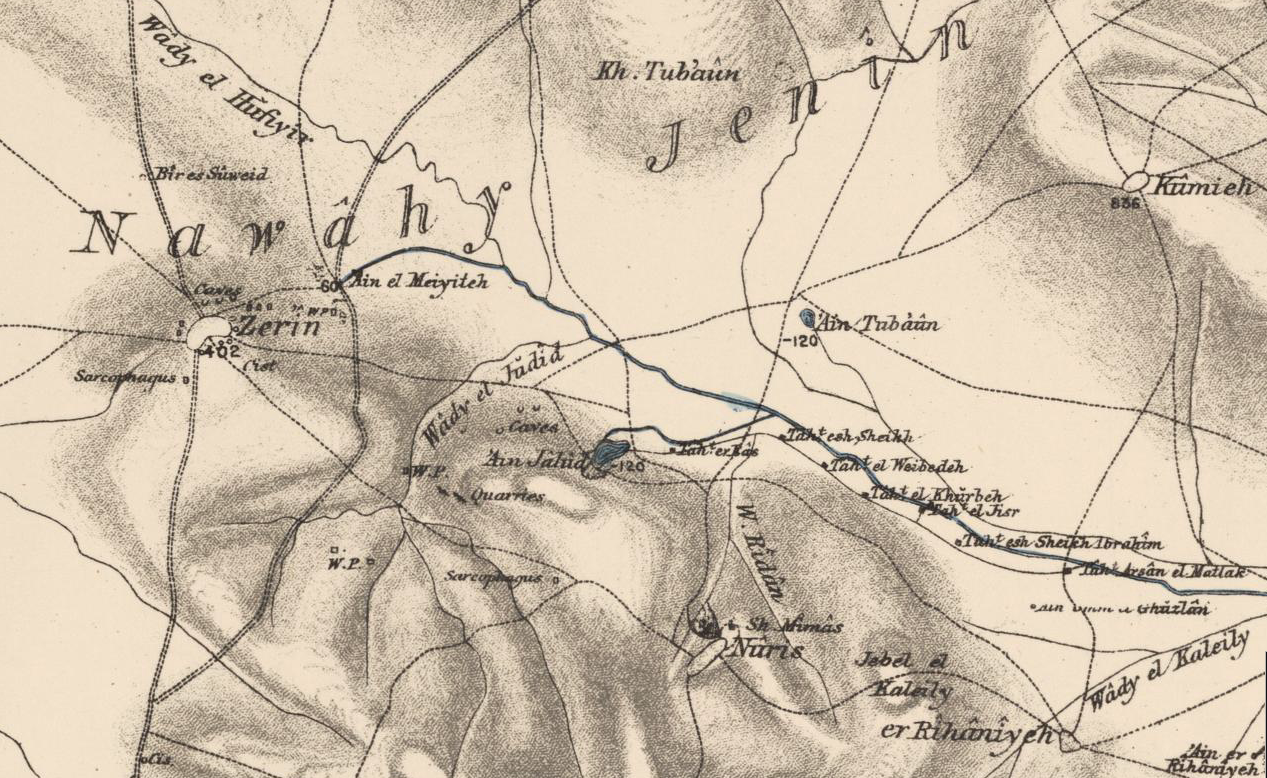
The battlefield lies in the Jezreel Valley in northern Israel. It is around the Ma’ayan Harod spring, at the northwestern foot of Mount Gilboa.
On a map, the Ain Jalut spring sits about 15 kilometers north-northwest of Beisan. It is just west of today’s Gidona. If you search for Gidona in a map app, you are looking at the right corner of the valley.
The name has its own story. In Arabic, Ain Jalut means “Goliath’s Spring.” Linking the place with the David and Goliath story rests on an old local tradition.
Who commanded the armies?
Sultan Qutuz led the Mamluk army. Baybars directed the vanguard. Kitbuqa Noyan commanded the Mongols.
How the battle went: the ambush story and its critics
The traditional account is dramatic. In it, Baybars feigned a retreat and drew Kitbuqa forward. Troops hidden by Qutuz then surrounded the Mongols.
Not every historian accepts this. Reuven Amitai-Preiss examined the sources in a 1992 study. He found the feigned-retreat and ambush story insufficiently supported.
His comparison of the sources points to a different picture. The Mongol attack broke the Mamluk left wing. But Qutuz rallied his troops in the center, and that changed the outcome. In this version, the Mamluk victory came from a frontal counterattack after a setback.
Amitai-Preiss also names another factor. On the Mongol left wing was al-Ashraf Musa, the ruler of Homs. He withdrew from the field with his troops. Amitai-Preiss counts this among the elements that helped the Mamluk victory.
The account relayed by the Turkish Islamic Encyclopedia (TDV) continues after the fighting. Kitbuqa was captured and then killed on Qutuz’s order. Mongol units that regrouped around Beisan were defeated as well.
Numbers: how many soldiers fought?
Exact figures are disputed. Common modern estimates give 15,000 to 20,000 for the Mamluks. For the Mongol side they give 10,000 to 20,000.
The ranges overlap. That is why you will see very different totals in books and on forums. Treat any single exact figure with caution.
Casualties: how many died?
The exact number of losses is unknown. English Wikipedia records Mamluk losses as uncertain and Mongol losses as heavy. No reliable figure can be given for either side.
Was it really the first Mongol defeat?
Not word for word. In 1221, Jalal al-Din Khwarazmshah inflicted a heavy defeat on Mongol forces at Parwan in Afghanistan.
So the claim needs a careful wording. Ain Jalut was not the absolute first Mongol loss. Its distinctive result was different. It interrupted the Ilkhanid advance in the Middle East. It also opened the way for Syria to fall under Mamluk control.
Who was Baybars?
Baybars was a Mamluk commander of Kipchak origin. He was brought to the Middle East as a slave. Then he rose through the military hierarchy.
His birth year is uncertain. The TDV gives 1223. The Turkish World Encyclopedia notes either 1223 or 1230.
Ten years before Ain Jalut, in 1250, he played an important role against the army of King Louis IX of France. The fighting took place around Mansura.
At Ain Jalut he led the vanguard. His men beat the Mongol forces near Gaza before the main battle.
What happened to Qutuz and Baybars after the victory
Qutuz did not live to enjoy it. On the way home, on 23 October 1260, he was killed in an assassination. Baybars and his companions took part in it.
Three days later, on 26 October 1260, Baybars took the throne in Cairo. He took the title al-Malik al-Zahir. He ruled as Mamluk sultan of Egypt and Syria until 1277.
Timeline
- 1221: Jalal al-Din Khwarazmshah defeats Mongol forces at Parwan. This shows Ain Jalut was not the absolute first Mongol defeat.
- 1250: Baybars stands out in the struggle around Mansura against Louis IX’s crusader army.
- 1258: Hulagu’s army captures Baghdad.
- January to March 1260: The Mongols take Aleppo and Damascus surrenders.
- 26 July 1260: Qutuz’s army leaves Egypt.
- 3 September 1260: The Mamluks defeat Kitbuqa’s army at Ain Jalut.
- 23 October 1260: Qutuz is killed on the way back.
- 26 October 1260: Baybars takes the throne in Cairo.
- 1277: Baybars’s reign as Mamluk sultan ends.
Details you won’t find in guidebooks
The envoys’ heads. Hulagu sent envoys demanding surrender. Qutuz had them killed. Their heads were displayed at Cairo’s Bab Zuwayla gate.
A neutral neighbor. The Crusaders in Acre stayed neutral. They let the Mamluk army pass through their lands. They also allowed it to buy supplies while camped outside the city.
An ally among the Mongols. Baybars pursued an alliance policy with the Golden Horde against the Ilkhanids. The Golden Horde was another Mongol state.
A name from legend. The spring’s name, “Goliath’s Spring,” ties the place to the story of David and Goliath. That link rests on an old local tradition.
After Ain Jalut: the threat did not vanish
Ain Jalut did not end the Mongol threat. Ilkhanid rulers launched new campaigns to take Syria. This was especially true of Ghazan, who reigned from 1295 to 1304.
So the battle was a turning point, not a final ending. It stopped one advance and shifted the balance in Syria toward the Mamluks.
FAQ
Who won the Battle of Ain Jalut?
The Egyptian Mamluks won. On 3 September 1260 their army, led by Sultan Qutuz, defeated the Ilkhanid Mongol force under Kitbuqa Noyan.
Where was the Battle of Ain Jalut?
It took place in the Jezreel Valley in northern Israel, around the Ma’ayan Harod spring at the northwestern foot of Mount Gilboa. On a map, the spring lies about 15 kilometers north-northwest of Beisan, just west of today’s Gidona.
Who was Baybars?
Baybars was a Mamluk commander of Kipchak origin. He was brought to the Middle East as a slave and rose through the military ranks. He led the vanguard at Ain Jalut and ruled Egypt and Syria as sultan from 1260 to 1277.
Sources
- Vikipedi, Ayn Calut Muharebesi tr.wikipedia.org
- Wikipedia, Ma’ayan Harod en.wikipedia.org
- Wikipedia, Battle of Ain Jalut en.wikipedia.org
- TDV Islam Ansiklopedisi, Aynicalut Savasi islamansiklopedisi.org.tr
- TDV Islam Ansiklopedisi, Baybars I islamansiklopedisi.org.tr
- Turk Dunyasi Ansiklopedisi, Baybars turkdunyasiansiklopedisi.gov.tr
- Encyclopaedia Iranica, Jalal-al-Din Kvarazmsah iranicaonline.org
- Reuven Amitai-Preiss, ‘Ayn Jalut Revisited, Tarikh 2 (1992), 119-150 warhistory.org
Image: Ain Jalud in the PEF Survey of Palestine.png — PEF Survey of Palestine, Public domain