On 29 August 1526, two armies met on a wet plain near Mohács. The fight lasted about two hours. By the end, the Hungarian king was on his way to a drowning death, and his kingdom’s future had been decided. This article explains where it happened, who fought, how the battle went and why it still matters in Hungary today.
Where was the Battle of Mohács?
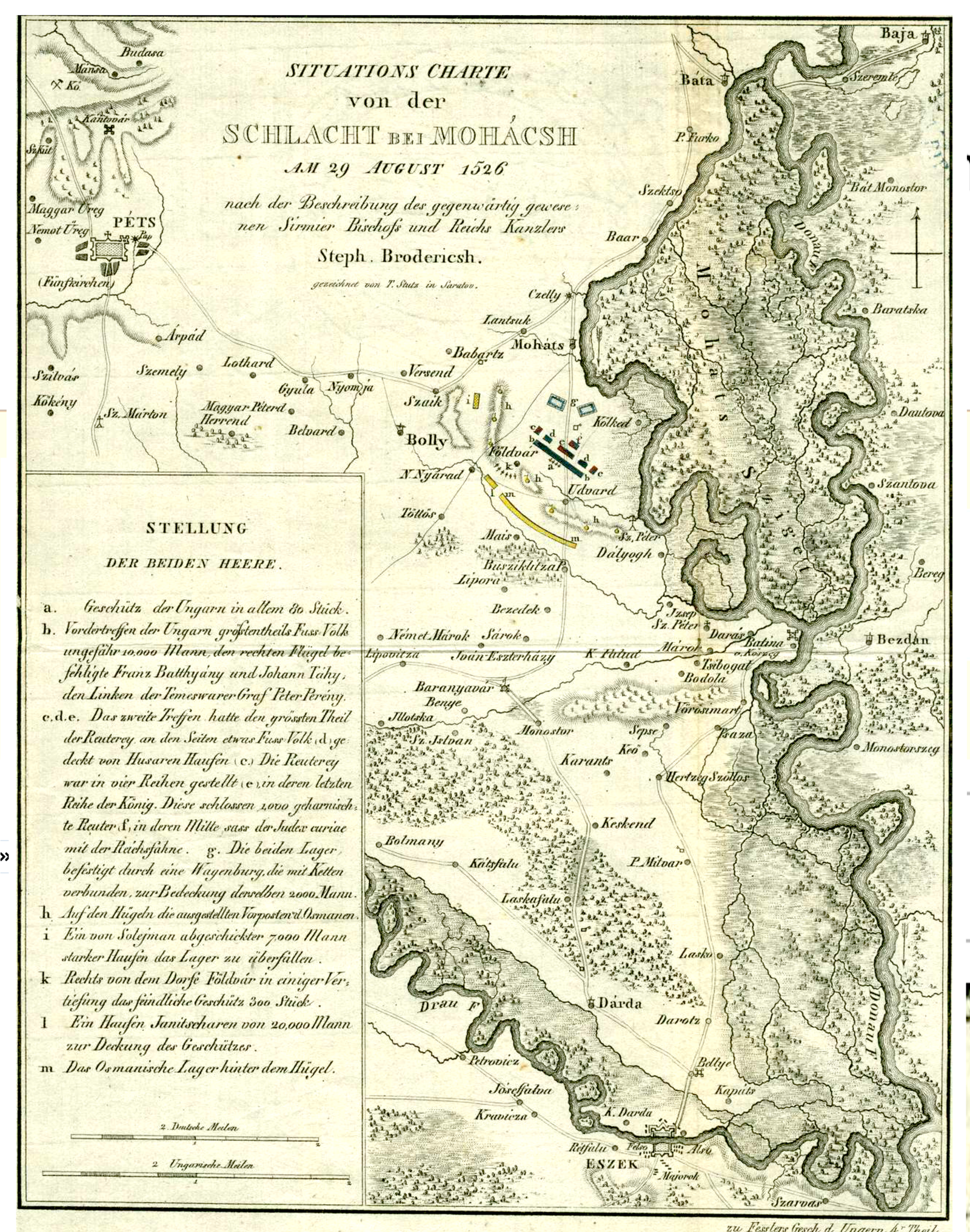
The battle took place on a broad, waterlogged plain near Mohács. That town lies inside Hungary’s borders today.
The Ottoman army had crossed the Drava River on 21 August 1526. It used a floating bridge made of ships. Eight days later the two sides faced each other on the plain.
The Battle of Mohács in 1526: why it happened
The campaign did not come out of nowhere. Suleiman the Magnificent had taken Belgrade in 1521. After that, Belgrade served as the forward base for later Ottoman operations toward Hungary and Central Europe.
A second event pushed Hungary to the top of the list. In 1525, King Francis I of France was captured at Pavia. His mother turned to the Ottomans for help. That made a campaign in Hungary the priority against the Habsburgs.
So the war had two roots. One was a strong Ottoman base on the frontier. The other was a European power struggle far to the west.
Who fought at Mohács?
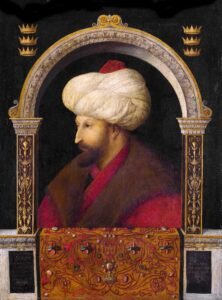
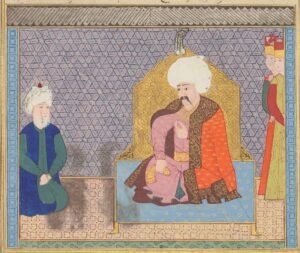
The Ottoman army was led by Suleiman the Magnificent. Grand Vizier Pargalı İbrahim Pasha was with him. On the other side stood the Hungarian king, Louis II.
Louis was only 20 years old. He was king of both Hungary and Bohemia. Few history books mention how young he was.
How big were the armies?
Sources disagree here. The TDV Islamic Encyclopedia puts the Hungarian army at 40,000–50,000 men. English Wikipedia gives 25,000–30,000 for the force on the field. For the Ottoman side, the same source gives a wide range of 50,000–100,000.
So treat any single number with care. The size of the armies is still debated.
How the two-hour battle unfolded
On the morning of 29 August, the Hungarians formed two lines. The king stood in the centre of the second line with about 3,000 heavy cavalry.
According to the Hungarian Ministry of Defence, Pál Tomori gave the order to charge between 3:00 and 4:00 in the afternoon. The cavalry attack hit the Ottoman infantry. Janissary musket fire stopped it in front of them. The attacking horsemen suffered heavy losses and had to swerve sideways.
The Hungarian plan had a weak point. It depended on the first charge succeeding. The second line was not strong enough to support a successful attack. Think of a football team with a single plan and no backup. When the first move fails, nothing is left to try.
Tomori died in the battle. Louis II drowned in the Csele stream while escaping.
How many died at Mohács?
The Hungarian Ministry of Defence gives an estimate of about 10,000 infantry and 4,000 cavalry killed. The dead also included seven high churchmen and 28 barons. That is a loss of leaders as well as soldiers. A kingdom needs both to function.
Why was the Battle of Mohács important?
The battle itself took only two hours. The consequences lasted much longer.
Louis II’s death ended the Bohemian-Hungarian branch of the Jagiellon dynasty. It also opened a fight over the throne. That fight became a civil war of about 15 years.
Two men claimed the crown. János Szapolyai was elected king of Hungary on 10 November 1526. His rival, the Habsburg Ferdinand, was elected king by an assembly in Bratislava on 17 December.
Hungary did not become Ottoman land at once. Suleiman entered Buda on 11 September 1526. About two weeks later his army left the city and went back. The country’s division became clear in 1541. Hungary split into three parts: a centre under Ottoman rule, a west and north under the Habsburgs, and a Hungarian kingdom in the east.
Today Hungary’s national memorials body calls Mohács a symbol of the country’s loss of its earlier position as a regional power. It also calls it a symbol of national tragedy.
Timeline
- 1521: The Ottomans take Belgrade. It becomes a forward base for operations against Hungary.
- 1525: After Francis I is captured at Pavia, France asks for Ottoman help.
- 21 August 1526: The Ottoman army crosses the Drava on a floating bridge.
- 29 August 1526: The Hungarian royal army is defeated at Mohács. Louis II drowns while fleeing.
- 11 September 1526: Suleiman enters Buda. The army later leaves the city.
- 10 November 1526: János Szapolyai is elected king of Hungary.
- 17 December 1526: Ferdinand is elected king by a rival assembly.
- 1541: The division of Hungary into three political regions becomes clear.
- 12 August 1687: The second Battle of Mohács ends in an Ottoman defeat.
- 2026: Preliminary results are published on the anthropological study of the fourth mass grave.
The Battle of Mohács (1687), or “Mohács 2”
People often search for “Battle of Mohács 2” or “Battle of Mohács (1687)”. This is a different battle. It was fought on 12 August 1687 near Nagyharsány.
The Ottoman forces were led by Grand Vizier Sarı Süleyman Pasha. Charles, Duke of Lorraine, commanded the imperial forces facing them. The result was the reverse of 1526. The Ottoman army lost.
Details you won’t find in guidebooks
- The king was 20. Louis II was king of two countries, Hungary and Bohemia, and he died at that age.
- Mass graves near Mohács. Five mass graves near the town are estimated to hold the remains of about 1,500–2,000 people.
- An old theory is being challenged. An older view held that the graves contained executed prisoners. A 2025 study by Norbert Pap and colleagues argues that they hold soldiers who died in battle.
- A count that dropped. A preliminary 2026 study of the fourth mass grave re-matched the bones. That lowered the first estimate of 237 people to 184.
- Who was buried there. The same study reports that most of the dead were young adult men. Some bones show lesions linked to tuberculosis.
- A wedge in the memorial park. At the Mohács memorial park, a wedge of black pine runs into 10,000 yew trees. Its design represents the Ottoman attack.
FAQ
When was the Battle of Mohács?
It was fought on 29 August 1526 between the Ottoman Empire and the Kingdom of Hungary. Feridun Emecen’s entry in the TDV Islamic Encyclopedia puts the fighting at about two hours.
Who won the Battle of Mohács in 1526?
The Ottomans won. The Hungarian commander Pál Tomori died in the battle. King Louis II drowned in the Csele stream while fleeing.
Was there a second Battle of Mohács?
Yes. The second battle took place on 12 August 1687 near Nagyharsány. Unlike 1526, it ended in an Ottoman defeat.
Did Hungary become Ottoman land on the day of the battle?
No. Suleiman entered Buda on 11 September 1526, but the army left the city about two weeks later. The split of Hungary into three political regions became clear only in 1541.
Sources
- Türkçe Vikipedi — Mohaç Muharebesi tr.wikipedia.org
- English Wikipedia — Battle of Mohács en.wikipedia.org
- TDV İslâm Ansiklopedisi — Mohaç Muharebesi islamansiklopedisi.org.tr
- Hungarian Ministry of Defence — The Battle of Mohács honvedelem.hu
- Czech Ministry of Defence — Bitva u Moháče valecnehroby.mo.gov.cz
- KHM Museum Association — 1526: Battle of Mohács wienerkongress1515.at
- Hungarian National Heritage and Remembrance Committee — Mohács nekb.gov.hu
- Anthropologiai Közlemények — preliminary summary on the fourth Mohács mass grave ojs3.mtak.hu
- Duna–Dráva National Park Directorate — Mohács National Memorial Nature Reserve ddnp.hu
Image: Hungarian map of the Battle of Mohacs.png — Ignác Fessler, Public domain