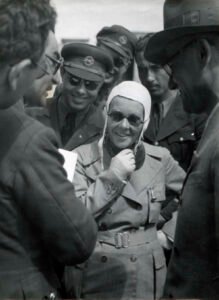
Afife Jale: who was she?
Afife Jale was born in 1902 in the Kadıköy district of Istanbul. Her father was Hidayet Bey and her mother was Methiye Hanım. She had half-siblings on her mother’s side, Behiye and Salâh.
Before she studied theatre, she attended the Istanbul Girls’ Trade School (Kız Sanayi Mektebi). She entered the Darülbedayi in 1918, when she was about sixteen, and first appeared on stage in 1920.
She is remembered as the first Muslim Turkish woman to act on a public stage. Her story is also a story about what that step cost her.
Why Muslim women could not act before 1918
In the Ottoman capital, women did appear on stage. But the actresses were mostly non-Muslim. Muslim women were not part of public theatre.
The Darülbedayi was Istanbul’s municipal theatre school and company. In 1918 it began to accept Muslim women as students. There was a condition: they would perform only before women audiences.
On 10 November 1918, five girls were admitted: Afife, Beyza, Refika, Behire and Memduha. Afife was one of them.
Afife Jale and the theatre: from rehearsal to Yamalar
Afife rehearsed at the Darülbedayi for about a year. She was still not put in front of an audience.
The Atatürk Encyclopedia records one detail about her pay. As a mülazım artist, a junior actor, her monthly salary was set at 500 kuruş.
Her chance came with Yamalar (Patches), a play by Hüseyin Suat. The role of Emel was open because Eliza Binemeciyan had left. Afife took it over.
In 1920 she stepped onto the stage of the Apollon Theatre in Kadıköy with Yamalar. That performance made her known as the first Muslim Turkish woman actor.
The name came from that play too. Her given name was Afife. She used the stage name Jale in Yamalar, and from then on she was called Afife Jale.
The date of the first night
The exact date is disputed. The awards’ official biography gives 22 April 1920. Turkish Wikipedia also records 13 April, 23 April and 9 September as alternatives.
When a source gives only “1920”, that is the safest answer.
Police raids and escapes
Afife’s early performances were not peaceful. During a performance of Tatlı Sır, the police tried to arrest her. The actress Kınar Hanım helped her escape.
During a performance of Odalık, there was another police raid. Afife was smuggled out of the theatre through its machine room.
Why she was dismissed in 1921
On 27 February 1921, the Istanbul municipality sent notice no. 204 to the Darülbedayi. It said that Muslim women must not be put on stage.
A second letter followed on 8 March 1921. It asked for Afife to be removed from the company. The Darülbedayi management ended her employment.
In other words, she lost her place through an official order, not through a failure on stage.
Life after the Darülbedayi
Afife did not stop acting. She joined Burhaneddin Tepsi’s troupe and went on tours across Anatolia. On those tours she also used the nickname Marika.
The republic arrived, and the new administration under Atatürk lifted the ban on Muslim women acting. Even so, Afife was not called back to the Darülbedayi.
Her path was still blocked in places. On 4 February 1924 she was prevented from performing in Bursa. On 1 June 1924 she acted in the play Sekizinci at the Milli Sinema in the same city.
Afife Jale’s illness and why she died
Afife suffered from severe headaches. A doctor treated them with morphine. Over time, the treatment turned into addiction.
She married the composer Selahattin Pınar in 1929. They divorced in 1935.
Her illness took her to the Bakırköy hospital. The records show her under other names. In 1934 she was registered as Afife Selahaddin. In 1939–1940 she was registered as Afife Utku.
Her health problems worsened. The Atatürk Encyclopedia reports that she died on 24 July 1941 in the Bakırköy hospital where she was being treated. Milliyet Sanat, in a piece of 15 January 2023 based on hospital records, gives 23 July.
So the cause was a long decline linked to morphine dependence and serious illness.
Her funeral and her grave
The funeral is the saddest part of the story. Cumhuriyet reported on 25 July 1941 that nobody came from the Darülbedayi to take her body. The hospital administration arranged the burial itself.
She was buried in Kazlıçeşme Cemetery in Istanbul.
The exact spot is uncertain. Turkish Wikipedia reports a claim that the grave was re-identified in 2023. The English Wikipedia article says Boğos Çalgıcıoğlu identified the cemetery section, but that the precise grave is still unknown.
Timeline
- 1902: Born in Istanbul, in the Kadıköy district.
- 10 November 1918: Admitted to the Darülbedayi.
- 1920: Appears at the Apollon Theatre in the role of Emel in Yamalar. The exact date of the first night varies between sources.
- 27 February 1921: The municipal notice says Muslim women must not be put on stage.
- 8 March 1921: A second letter asks for her removal from the company.
- 1 June 1924: Plays in Sekizinci at the Milli Sinema in Bursa.
- 1929: Marries Selahattin Pınar.
- 1934: Treated in Bakırköy as Afife Selahaddin.
- 1935: Divorces Selahattin Pınar.
- 1939–1940: Treated in Bakırköy as Afife Utku.
- 24 July 1941: Dies in the Bakırköy hospital, according to the Atatürk Encyclopedia. One source gives 23 July.
- 1997: The Yapı Kredi Afife Theatre Awards begin.
- 2023: Turkish Wikipedia reports that her grave was re-identified; the English article says the precise grave is still unknown.
Afife Jale awards: the Afife Theatre Awards
Yapı Kredi has held the Afife Theatre Awards in her memory since 1997. If you follow Turkish theatre, you will see her name on these awards.
Afife Jale in books and film
Osman Balcıgil’s book Nefesi Tutku Olan Kadın Afife Jale was published in 2018.
Her life was also the subject of the 1987 film Afife Jale, directed by Şahin Kaygun.
Details you won’t find in guidebooks
- Her pay: As a junior actor she had a monthly salary of 500 kuruş.
- The machine room: During a police raid on Odalık, she was taken out through the theatre’s machine room.
- A second name on tour: On her Anatolian tours she used the nickname Marika.
- Two Bursa dates: She was stopped on 4 February 1924. Four months later, on 1 June, she acted in the same city.
- Hospital names: Her hospital stays were recorded as Afife Selahaddin in 1934 and Afife Utku in 1939–1940.
What this means for you today
The next time you buy a theatre ticket in Istanbul and see women and men on the same stage, remember what that ordinary evening once required. In 1918 a school needed a special condition just to admit five girls.
If you visit Kadıköy, you are in the district where she was born and where she first appeared before the public. You will not find a marked grave to visit, because the exact spot in Kazlıçeşme is still uncertain.
If you are a student, note that dates in her story differ between sources. The first night, her death and the grave all carry different versions. Always check which source a date comes from.
FAQ
Who was Afife Jale?
Afife Jale was an Istanbul-born actress who is recognised as the first Muslim Turkish woman to perform on stage. She appeared in the play Yamalar at the Apollon Theatre in Kadıköy in 1920.
How did Afife Jale die?
Her health problems grew worse after years of illness and morphine dependence. She died in the Bakırköy hospital where she was being treated. The Atatürk Encyclopedia gives 24 July 1941; Milliyet Sanat, citing hospital records, gives 23 July.
Is there a book about Afife Jale?
Yes. Osman Balcıgil’s book Nefesi Tutku Olan Kadın Afife Jale was published in 2018.
What are the Afife Theatre Awards?
Yapı Kredi has organised the Afife Theatre Awards in her memory since 1997.
Where is Afife Jale buried?
She was buried in Kazlıçeşme Cemetery in Istanbul. The exact grave is still disputed, because the sources disagree on whether it has been re-identified.
Sources
- Yapı Kredi Afife Tiyatro Ödülleri — Afife Jale Kimdir? afife.org
- Atatürk Ansiklopedisi — Afife Jale (1902-1941) ataturkansiklopedisi.gov.tr
- Türkçe Vikipedi — Afife Jale tr.wikipedia.org
- English Wikipedia — Afife Jale en.wikipedia.org
- Milliyet Sanat — Afife Jale’nin bir mezar taşı olmasın mı? milliyetsanat.com
- Cumhuriyet — Afife Jale’nin trajik öyküsü cumhuriyet.com.tr